

We are an innovative enterprise specializing in the deep processing of carbon fiber, aramid fiber, flat fabric, three-dimensional weaving, and special texture blended, pre impregnated, and forged products, as well as molded, hot pressed, and extruded carbon fiber products.
Why Choose Us
Our Factory
Qingdao Wangzhan was established in 2012 and is a high-tech private enterprise leading the composite weaving industry.The factory covers an area of over 7000 square meters,300+Machine processing equipment.
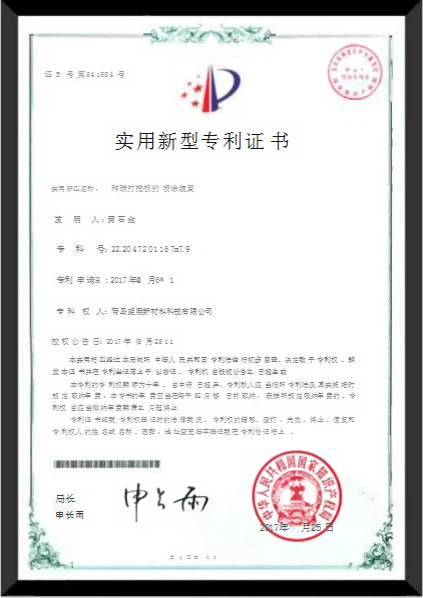
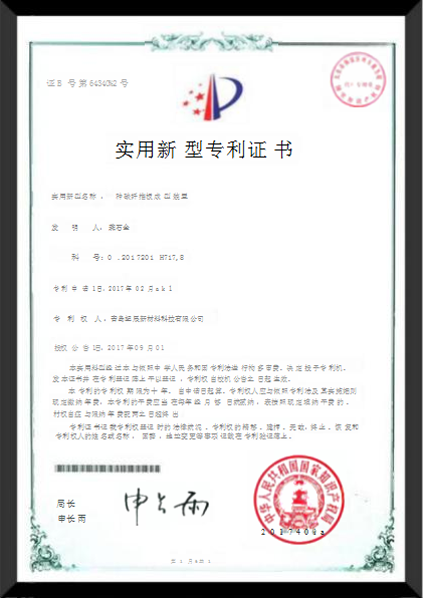
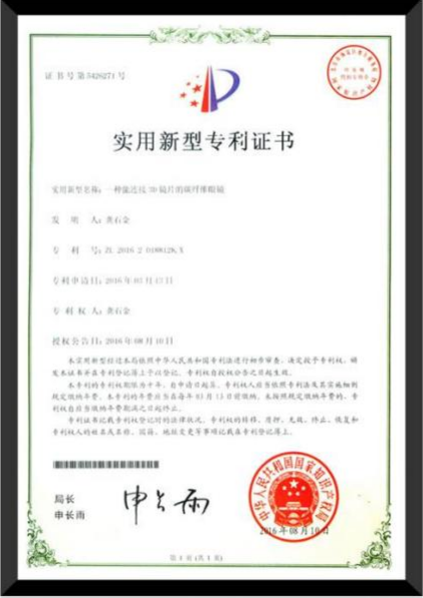
Our Certificates
We have passed ISO 9001 management system and intellectual property management system certification. We have also been awarded the title of provincial high-tech enterprise and hold more than 50 patent certificates.
Partners
Currently, we cooperate with global industry-leading suppliers, including Toray from Japan, Mitsubishi from Japan, Hexcel from the United States, Zhongfu Shenying from China, Weihai Guangwei, Cathay Pacific, DuPont from the United States, Jushi from China, Sinoma Technology, Micron from the United States, Kentian from the United States, FK from the United States, and Daiplatinum from Sweden.


Advantages of Carbon Fiber
High Tensile Strength and Stiffness
The strength of carbon fiber comes from the reinforcing fibers: thousands of microscopic strands of bonded carbon which by themselves are strong in tension, but lack stiffness and resistance to compression. By suspending them inside epoxy resin (a strong and lightweight plastic) they become stiff along their axis and strong in both tension and compression.
Lightweight
Speaking of weight, carbon fiber is light! A carbon fiber reinforced plastic isn't much heavier than a non-reinforced plastic. When compared to steel, the overall weight reduction is about ninety percent. A 70 pound steel car hood can be re-created to weight a mere 7 pounds! It's lighter than aluminum and even titanium.
Suitable for a Variety of Uses
In addition to its extensive use in the high-end automotive world, carbon fiber is being applied in almost every field you can imagine. Hikers love its lightweight properties in backpacks and tents and drones, planes, and helicopters can significantly improve their power-to-weight ratios.
Doesn't Rust
Most materials react poorly to air and water, corroding, oxidizing, or simply breaking down unless protected. Not carbon fiber. Both the carbon and the epoxy resin are extremely stable and non-reactive, even when submerged in water! Ideal as a replacement for steel under conditions of extreme moisture or even submersion. There's no need for expensive anti-corrosion treatments or continual re-painting.
Specification of Carbon Fiber
|
Property |
Graphite |
CF |
|
Aspect ratio |
Close to 1 |
Dia.: 6–30 µm |
|
E. conductivity (Scm−1) |
Axes:2.5×10⁴ c-axes: 8.3 [46] Thermal Co.: 25–470 W(mK)−1 |
598 |
|
Volume cm3(100 g)−1 |
– |
Nil |
|
Tensile strength |
Flexural: 7–10 MPa |
1000–4000 MPa |

Carbon fiber is a material made from thin filaments of carbon atoms bonded together in a crystalline structure, which results in an exceptional strength-to-weight ratio. The manufacture of carbon fiber material involves several complex steps that transform carbon-rich precursors into spools of fibers.
Most carbon fibers are produced using polyacrylonitrile (PAN), pitch, or rayon as the precursor. The selected precursor material is first spun to create long fibers. The raw fibers are then heated in an oxygen-free environment in a process called stabilization to prevent them from burning or shrinking. After stabilization, the fibers are carbonized at a very high temperature of around 1000 - 3000 degrees Celsius in an inert atmosphere such as nitrogen. This drives out almost all non-carbon elements from the fibers leaving behind almost pure carbon atoms in a crystalline structure. Finally, the fibers receive a surface treatment to enhance their adhesion to matrix materials and then wound onto spools.
Application of Carbon Fiber
Sporting Goods with Carbon Fiber Material
Consumers seek out the highest quality sporting goods equipment they can get their hands on in order to maximize performance. Carbon fiber is one of the materials of choice for manufacturing strong, lightweight sporting goods such as fishing poles, tennis rackets, skis, golf clubs, and many action sport products.
Carbon Fiber Composites for Automobiles
Today consumers are seeking automobiles that have a smaller impact on the environment. In order to manufacture vehicles that consume fewer fossil fuels, manufacturers are being asked to produce cars with reduced overall weight. Replacing traditional metals such as steel and aluminum with application-specific carbon fiber composites can help reduce the necessary weight to improve fuel efficiency.
Aviation with Carbon Fiber Composites
Aerospace and aviation manufacturers continually seek out materials that will enhance both the efficiency of the aircraft as well as the passenger's experience. In the same way that carbon fiber materials can improve automobile fuel efficiency, aircrafts can benefit from the lightweight, strong properties.
Craftsmanship of Carbon Fiber
Precursor
To produce carbon fiber, an organic polymer precursor is needed. This raw material is processed with heat and chemical agents to convert it to carbon fiber.
The first high-performance carbon fiber materials were made from a rayon precursor.Currently, approx 90% of carbon fiber is made from polyacrylonitrile, while the other 10% or so is made from rayon or petroleum pitch.
Manufacturing
The carbon fiber manufacturing process begins with carbonization. To achieve high-quality carbon fiber, the precursor polymer needs to contain a high percentage of carbon atoms. The majority of the non-carbon atoms within the structure will be removed in the process.
First, the precursor is pulled into long fibers. These fibers are then heated to very high temperatures in an anaerobic gas mixture (without the presence of oxygen) to ensure the material doesn't burn. The heat energizes the atomic structure of the fibers and drives off most of the non-carbon atoms from the material.
Treatment
Following carbonization, the surface of the carbon fibers must be treated to improve bondability with epoxies or other resins. Careful oxidation of the surface of the carbon fibers improves chemical bonding properties, while simultaneous roughening of the surface provides improved mechanical bonding.
This oxidation can be accomplished in a number of different ways. The carbon fiber can be exposed to various gases such as carbon dioxide or ozone, or liquids such as nitric acid, or even processed electrolytically.
Sizing
Prior to weaving, the carbon fibers must be sized, or coated, with a polymer to protect them during the weaving process. The sizing is selected for compatibility with the laminating resin to be used. The fibers are then wound onto bobbins, spun, and processed into various weaves and other formats.
Precautions for use of Carbon Fiber
When working with any composite, especially in carbon fiber engineering, there are safety precautions that need to be taken. So this article is going to discuss a few safety tips to keep in mind when working on carbon fiber product development.
Handling carbon fiber: Whenever carbon fiber is being used, it should always be kept as clean as possible to avoid generating dust and fly. It's especially important to handle carbon fiber carefully when unpacking or processing the material, as this is when it's at its most fragile. Using proper cleaning methods, like an air ejector cleaner, can help control any dust or fly that is produced from the material. This helps avoid spreading the fibers to places it shouldn't be.
Protecting your body: When someone is using carbon fiber, they should never try to rub it off of their skin. Carbon fiber strings are more likely metal wires and can quickly enter the skin. So trying to rub or scratch off the fibers will only cause the carbon fiber dust to penetrate deeper into the skin. Instead, water and soap should be used after handling the material. Additionally, safety glasses and ventilator masks should be worn during carbon fiber engineering to prevent fibers from being inhaled or entering the eyes.
Proper storage: Like most other materials, carbon fiber needs to be stored properly to last as long as it should. This material should not be stored in direct sunlight or in wet environments. It should also be stored in mild temperatures to avoid heating the material up to the point of deterioration. All carbon fiber engineering facilities should follow the manufacturer's instructions for ideal storage conditions.
When working on a carbon fiber project, it's important to always take safety precautions, like wearing safety goggles and keeping the materials clean. Whether you're just unpacking and moving the material or working with it directly, these safety tips should always be followed to avoid injuries or accidents.
Our Certifications


As one of the leading carbon fiber manufacturers and suppliers in China, we warmly welcome you to buy high-grade carbon fiber made in China here from our factory. All our products are with high quality and competitive price.
Rayon Carbon Fiber, heat insulation Rayon Carbon Fiber, Pan Fiber