

We are an innovative enterprise specializing in the deep processing of carbon fiber, aramid fiber, flat fabric, three-dimensional weaving, and special texture blended, pre impregnated, and forged products, as well as molded, hot pressed, and extruded carbon fiber products.
Why Choose Us
Our Factory
Qingdao Wangzhan was established in 2012 and is a high-tech private enterprise leading the composite weaving industry.The factory covers an area of over 7000 square meters,300+Machine processing equipment.
Our Certificates
We have passed ISO 9001 management system and intellectual property management system certification. We have also been awarded the title of provincial high-tech enterprise and hold more than 50 patent certificates.
Partners
Currently, we cooperate with global industry-leading suppliers, including Toray from Japan, Mitsubishi from Japan, Hexcel from the United States, Zhongfu Shenying from China, Weihai Guangwei, Cathay Pacific, DuPont from the United States, Jushi from China, Sinoma Technology, Micron from the United States, Kentian from the United States, FK from the United States, and Daiplatinum from Sweden.


Advantages of Epoxy Resin
Good Strength
The Epoxy holds good strength when it comes in contact with other substances. It is because our Epoxy Resins have an adhesive bond that maintains their resilience for the long term. Moreover, this chemical is hard enough, so it's an additional feature that adds to its strength.
Highly Versatile
The versatility feature makes it incredibly impressive for use. In addition, it has the unique, surprising effect of getting bound to multiple materials. As a result, it gets along with all the substances with the same level of comfort. That's why it's known as one of the most pleasant construction chemicals.
Easily Durable
The overall chemical structure of the epoxy provides a significant amount of stability to it, making it reliable and durable. In addition, it is resistant to other chemicals and weather.
Easy to apply
Apart from any other benefits of epoxy resin , you would be shocked to know that the way it gets applied over various surfaces is unmatched. Whether it's epoxy paints or epoxy flooring, it is swift in the process of applying.
Specification of Epoxy Resin
|
Compressive Strength |
ASTM D-695 |
|
Tensile Elongation |
ASTM D-638 |
|
Linear Shrinkage (77F) per 0F |
ASTM D-2566: |
|
Surface Hardness, Shore D |
ASTM D-2240 |
|
Adhesion (to concrete) |
MIL-D-3134, Para. 4.7.14 |
Application of Epoxy Resin
Epoxy resin can be used for the strong binding and production of tools such as moulds, master models, laminates, castings, and fixtures. Plastic tooling is the ideal replacement for metal and wood. It allows for greater efficiency and reduced expense and lead times for a range of industrial processes.
Epoxy Resin for Electrical Applications
Epoxy resin is commonly used by electrical industry workers in the building of motors, generators, transformers, insulators, and printed wiring boards (PWBs). The resins have high levels of electrical insulation and ensure component protection from short-circuiting due to dust and moisture accumulation.
Epoxy Resin for Consumers
The high levels of adhesion mean that epoxy resin is a popular choice among consumers for the repair and maintenance of domestic objects. It allows for the relatively rapid and effective fixing of fragile items such as glass, ceramics, and china. It is also suitable for repairing wood, metal, and latex domestic items.
Epoxy Resin for Artwork and DIY
Epoxy resin can be combined with pigments for artistic applications. Layers may be added to create a complete picture. Other common uses include jewellery decoration and decoupage of work surfaces.
Epoxy Resin Uses in Construction
Epoxy resin has numerous applications in the construction industry due to its excellent adhesive properties, durability, and resistance to chemicals and moisture. For instance, epoxy resin is commonly used for concrete repairs, such as filling cracks and restoring structural integrity. It is also a popular choice for seamless and durable flooring systems in commercial and industrial buildings. This is because epoxy provides a smooth, glossy surface that resists chemicals, abrasion, and impacts. Epoxy resin uses in construction also include waterproofing applications, grouting, and anchoring and securing applications where a strong bond is required.
Craftsmanship of Epoxy Resin
Epoxy resins are typically formed by the reaction of compounds containing at least two active hydrogen atoms (polyphenolic compounds, diamines, amino phenols, heterocyclic imides and amides, aliphatic diols, etc.) and epichlorohydrin.
The synthesis of diglycidyl ether of bisphenol A (DGEBA), the most widely used epoxy resin monomer, is:

They combine with other suitable ring-opening compounds forming rigid thermosetting products. The cured epoxies are brittle in nature due to the high degree of cross-linking. They contribute to weakening epoxy impact strength and other relevant properties. Hence, it is necessary to modify epoxy monomers to improve their flexibility and toughness as well as thermal properties.

Epoxy resin is viscous when in liquid form, cures quickly, and adheres to a wide range of substrate materials, including wood, metal, glass, concrete, and stone. At its most basic, epoxy is composed of a liquid epoxy resin and a chemical hardener that cures the resin into hardened plastic. Once hardened, epoxy is extremely strong, dimensionally stable, and chemical-resistant.
Epoxy materials are valued for their tensile strength and ability to bond firmly to a wide range of substrate materials. The bonding power and physical strength of epoxy differ widely depending on the resin blend and hardener used, as well as the material to which the epoxy is bonded. In general, the tensile strength of epoxy resins can range from 5,000 to 6,000 psi.
Precautions for use of Epoxy Resin
There are several safety precautions to consider when using epoxy resin.
Firstly, you should wear gloves to protect your hands against exposure to resin and hardening liquids. Nitrile gloves are recommended as they are unlikely to react upon contact with the skin or resin. Baby wipes may be used to remove resin that comes into contact with the skin. Any remaining resin can be removed with soap and water. Exfoliant is an effective removal option.
A plastic apron should be worn, allowing resin spills to be easily removed. You should also wear safety goggles to protect your eyes. If there is any contact with the eyes, you should flush repeatedly with water for 15 minutes and avoid rubbing. Medical attention should be sought at the earliest opportunity.
Lastly, it's imperative to ensure sufficient ventilation whenever working with epoxy resin. This may be achieved by opening the windows, switching on the ceiling fan in your work area, or using local exhaust ventilation or a fume cupboard. Alternatively, a respirator may be worn if you cannot achieve an adequate ventilation level.
Our Certifications
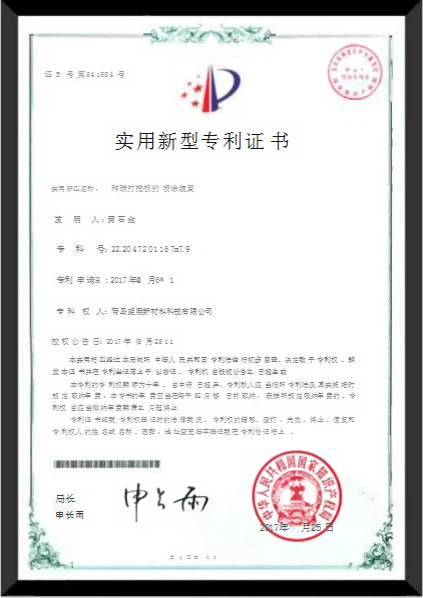
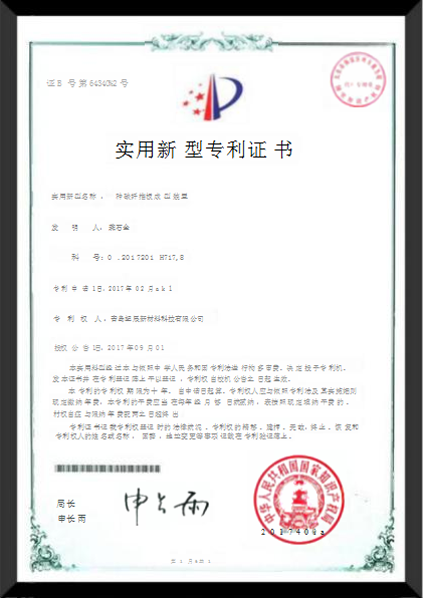
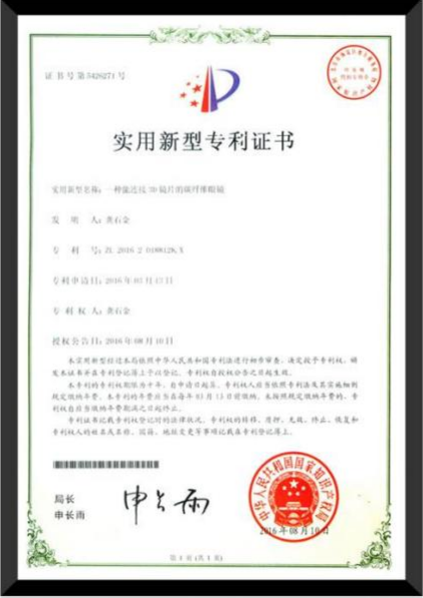


As one of the leading epoxy resin manufacturers and suppliers in China, we warmly welcome you to buy high-grade epoxy resin made in China here from our factory. All our products are with high quality and competitive price.
Epoxy Resin Concrete Repair, Self Leveling Epoxy for Concrete, epoxy resin