


What is 1k Carbon Fiber
This refers to the amount of tiny carbon fibers (filaments) that are combined in a bundle (roving). 1k carbon fiber stands for 1000 filaments, 3K for 3000 filaments, and so on. The bundles are woven together biaxially (i.e. in 2 different directions, e.g. 0°/90°) to form a fabric.
Benefits of 1k Carbon Fiber
HIGH TENSILE STRENGTH AND STIFFNESS
The strength of 1k carbon fiber comes from the reinforcing fibers: thousands of microscopic strands of bonded carbon which by themselves are strong in tension, but lack stiffness and resistance to compression. By suspending them inside epoxy resin (a strong and lightweight plastic) they become stiff along their axis and strong in both tension and compression. This creates "non-isotropic" strength, meaning the strength of the material varies depending on the direction and orientation of the fibers.
LIGHTWEIGHT
Speaking of weight, 1k carbon fiber is light! A 1k carbon fiber reinforced plastic isn't much heavier than a non-reinforced plastic. When compared to steel, the overall weight reduction is about ninety percent. A 70 pound steel car hood can be re-created to weight a mere 7 pounds! It's lighter than aluminum and even titanium.
DOESN'T RUST
Most materials react poorly to air and water, corroding, oxidizing, or simply breaking down unless protected. Not 1k carbon fiber. Both the carbon and the epoxy resin are extremely stable and non-reactive, even when submerged in water! Ideal as a replacement for steel under conditions of extreme moisture or even submersion. There's no need for expensive anti-corrosion treatments or continual re-painting.
TRANSPARENT TO X-RAYS
Despite being stronger than steel, 1k carbon fiber is totally transparent to x-rays. The medical applications for this are boundless, as no other material combines the strength of metal with the x-ray transparency of plastic. Imagine if instead of having to wheel a patient to a whole new room for an x-ray, they could simply be imaged live through an operating table! 1k carbon fiber is unlocking this and other applications, creating new and exciting possibilities for doctors and surgeons.
RESISTANT TO CHEMICALS
1k carbon fiber (in its rigid form) is typically used in unison with a polymer matrix. Most commonly 1k carbon fiber is paired with an epoxy resin system. Epoxy is formed from a two-part chemical reaction of a resin and a hardener. Once cured, epoxy is a thermoset that will not melt or return to its former constituents. This makes for a highly chemical resistant plastic that will not corrode, dissolve, or melt over time. This epoxy is what makes 1k carbon fiber so chemically resistant to most alcohols, acids, and other chemical compounds.
GOOD HEAT CONDUCTOR
At the atomic level, 1k carbon fiber is composed of the same material that forms charcoal-carbon. Due to a property know as thermal conductivity, heat is readily conducted along the length of the fibers. 1k carbon fibers have a thermal conductivity of about 500 W/mK (watts per meter-kelvin), compared with about 200W/mK for aluminum or 400 W/mK for copper. However, heat doesn't conduct perpendicularly to the fibers which allows the flow of heat to be controlled through the part by arranging the direction of the fibers to create the desired thermal properties.
FLEXIBILITY AND MALLEABILITY
Prior to the lay-up process 1k carbon fiber can be conformed to nearly any shape, although significant experience and technical know-how is required to adapt the process and material to various geometries. That's not where it ends though.
Related Products

Carbon aramid fiber fabric, also known as hybrid fabric, is a composite material that combines carbon fiber and aramid fiber in the fabric structure. This unique combination utilizes the excellent performance of these two fibers, making the fabric both strong, rigid, and impact resistant.

Carbon Fiber Structural Reinforcement
Carbon fiber structural reinforcement Concrete is the most widely used building material in the world due to its high cost-effectiveness, abundant raw materials, easy manufacturing, and excellent physical and mechanical properties. However, concrete also has limitations, which may affect its...

Our company has advanced carbon fiber fabric production lines, which can produce fabrics in various forms such as plain, twill, and unidirectional.

In carbon fiber composite materials, 3K carbon fiber twill fabric is a common textile structure. Among them, "3K" represents 3000 carbon fiber filaments in each yarn bundle, while "twill cloth" represents yarns crossing the fabric at a certain angle.

Carbon Fiber Reinforcement In Concrete
Carbon fiber cloth: 53 yuan/square meter
Carbon fiber adhesive (epoxy resin adhesive): 25 yuan/kg
Leveling adhesive (epoxy resin adhesive): 16 yuan/kg
The above prices are factory prices including domestic shipping costs. If an invoice is required, 8 points will be charged and a 13% special invoice will be issued

The characteristic of plain weave carbon fiber fabric is that the warp and weft yarns are interwoven in a pattern of one up and one down, that is, the warp and weft yarns are interlaced every other yarn, so there are many interweaving points.

Unidirectional Carbon Fabric 24K Of 600g
24k 600g unidirectional carbon fiber cloth is a high-performance material designed specifically for structural reinforcement and repair.

Spread TOW carbon fiber fabric is an ultra lightweight fabric.
Its production involves laying carbon fiber bundles in thin and flat unidirectional tape, and then weaving the tape into a woven flat bundle fabric.

Adhesive based activated carbon fiber cloth or PAN based activated carbon fiber cloth is made through processes such as pre oxidation, carbonization, and activation treatment.
Why Choose us
Our Certificates
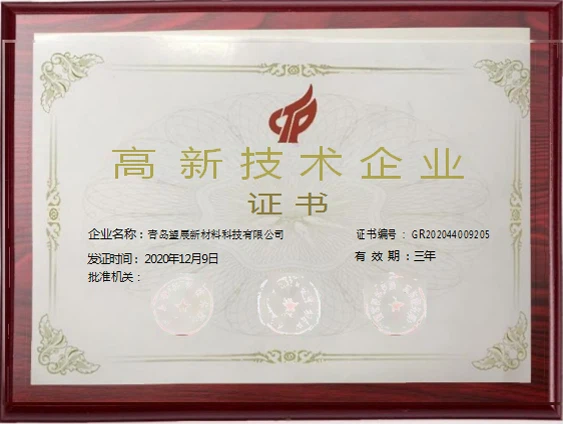
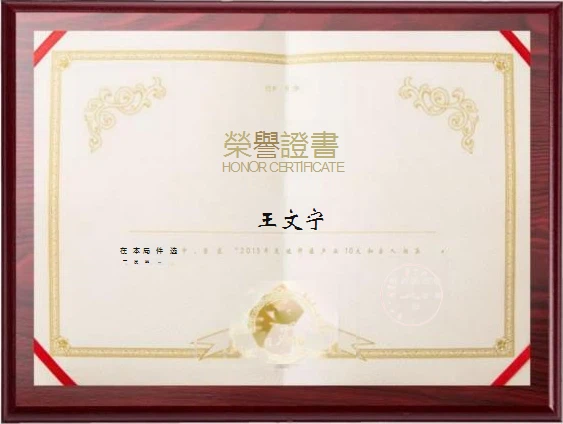
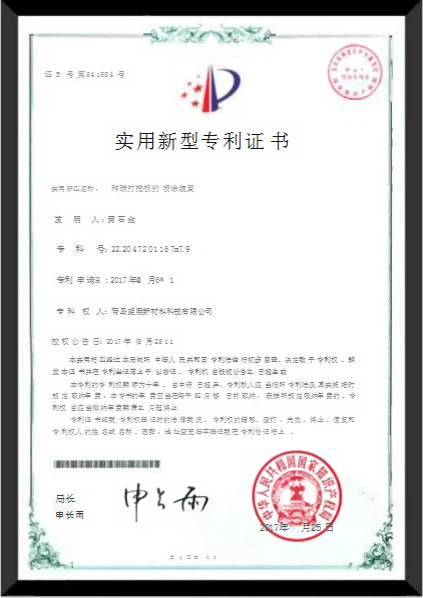
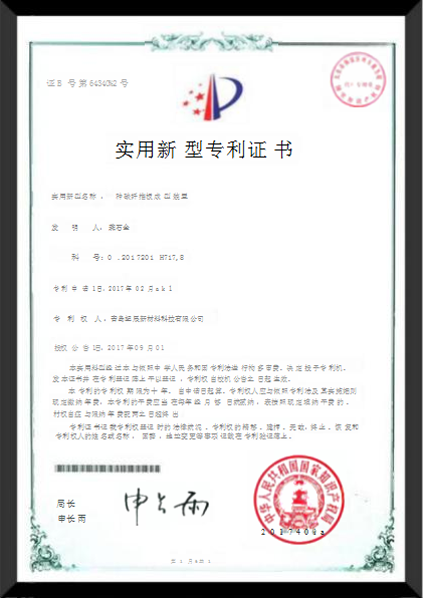
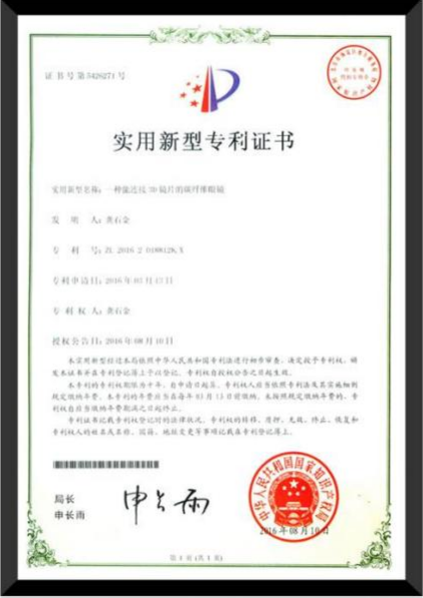
We have passed ISO 9001 management system and intellectual property management system certification. We have also been awarded the title of provincial high-tech enterprise and hold more than 50 patent certificates.
Partners
Currently, we cooperate with global industry-leading suppliers, including Toray from Japan, Mitsubishi from Japan, Hexcel from the United States, Zhongfu Shenying from China, Weihai Guangwei, Cathay Pacific, DuPont from the United States, Jushi from China, Sinoma Technology, Micron from the United States, Kentian from the United States, FK from the United States, and Daiplatinum from Sweden.
Our Company
We are an innovative enterprise specializing in the deep processing of carbon fiber, aramid fiber, flat fabric, three-dimensional weaving, and special texture blending, as well as pre-impregnated and forged products. We also produce molded, hot-pressed, and extruded carbon fiber products.
How is 1k carbon fiber Made?
Step 1: Preparing Raw Materials or Precursor
To manufacture 1k carbon fiber, using an organic polymer precursor is a must. The precursor is the term used to refer to the raw material utilized in producing 1k carbon fiber. Approximately 90% of 1k carbon fibers manufactured are derived from polyacrylonitrile (PAN). The remaining 10% of the 1k carbon fibers are made from rayon or petroleum pitch. These raw materials are classified as organic polymers, characterized by long strings of molecules bound together by carbon atoms.
Step 2: Stabilizing and Carbonizing Fibers
After preparing the precursor, it is pulled into long fibers. The 1k carbon fiber manufacturing process begins with carbonization. Before carbonization, the fibers must be chemically altered to transform their linear atomic bonding to a more thermally stable ladder bonding. This is performed by heating the fibers in air to roughly 390-590° F (200-300° C) for 30-120 minutes. This causes oxygen molecules to be taken up by the fibers from the air, resulting in a rearrangement of their atomic bonding pattern.
After stabilizing the fibers, they are heated to around 1,830-5,500° F (1,000-3,000° C) for several minutes in a furnace filled with an oxygen-free gas mixture. In extremely high temperatures, the absence of oxygen protects the fibers from burning. When fibers are heated, they lose non-carbon atoms. Then, the remaining carbon atoms form tightly bonded carbon crystals aligned parallel to the fiber's long axis.
Step 3: Treating the Fiber Surface
Following the carbonization process, the fibers exhibit a surface that fails to bond well with the epoxies and other substances used in composite materials. In this case, the surface of the fibers is slightly oxidized to improve bonding properties. Introducing oxygen atoms to the surface enhances chemical bonding properties and additionally etches and roughens the surface for improved mechanical bonding properties.
The fibers can be oxidized by immersing them in different gases such as air, carbon dioxide, or ozone, as well as liquids such as sodium hypochlorite or nitric acid. Alternately, the fibers may be electrolytically coated by making them the positive terminal in a bath having various electrically conductive substances.
Step 4: Sizing the Fibers
Following surface treatment, protective coatings are applied to the fibers to prevent damage while winding or weaving. This is referred to as sizing. The selection of coating materials is based on their compatibility with the adhesive employed to make composite materials. Commonly used coating materials encompass a range of substances such as epoxy, polyester, nylon, urethane, and several others.
Then, the coated fibers are carefully coiled onto cylinders known as bobbins. The bobbins are placed into a spinning machine, where the fibers undergo a twisting process to form yarns of different sizes.
Application of 1k Carbon Fiber
Aerospace and space were some of the first industries to adopt 1k carbon fiber. The high modulus of 1k carbon fiber makes it suitable structurally to replace alloys such as aluminum and titanium. The weight savings 1k carbon fiber provides is the primary reason 1k carbon fiber has been adopted by the aerospace industry.
Every pound of weight savings can make a serious difference in fuel consumption, which is why Boeing's new 787 Dreamliner has been the best-selling passenger plane in history. The majority of this plane's structure is 1k carbon fiber reinforced composites.
Recreational sports is another market segment which is more than willing to pay more for higher performance. Tennis rackets, golf clubs, softball bats, hockey sticks, and archery arrows and bows are all products commonly manufactured with 1k carbon fiber reinforced composites.
Lighter weight equipment without compromising strength is a distinct advantage in sports. For example, with a lighter weight tennis racket, one can get much faster racket speed, and ultimately, hit the ball harder and faster. Athletes continue to push for an advantage in equipment. This is why serious bicyclists ride all 1k carbon fiber bikes and use bicycle shoes that use 1k carbon fiber.
Although the majority of wind turbine blades uses fiberglass, on large blades (often over 150 ft in length) include a spare, which is a stiffening rib that runs the length of the blade. These components are often 100% carbon, and as thick as a few inches at the root of the blade.
1k carbon fiber is used to provide the necessary stiffness, without adding a tremendous amount of weight. This is important because the lighter a wind turbine blade is, the more efficient it is at creating electricity.
Mass-produced automobiles are not yet adopting 1k carbon fiber; this is because of the increased raw material cost and necessary changes in tooling, still, outweighs the benefits. However, Formula 1, NASCAR, and high-end cars are using 1k carbon fiber. In many cases, it is not because of the benefits of properties or weight, but because of the look.
There are many aftermarket automotive parts being made out of 1k carbon fiber, and instead of being painted, they are clear-coated. The distinct 1k carbon fiber weave has become a symbol of hi-tech and hi-performance. In fact, it is common to see an aftermarket automotive component that is a single layer of 1k carbon fiber but has multiple layers of fiberglass below to lower costs. This would be an example where the look of the 1k carbon fiber is actually the deciding factor.
4 Tips For Working With 1k carbon fiber Materials
1. Handle with Care
1k carbon fiber materials are quite strong and durable. Still, they can be damaged with improper handling. We always advise customers to handle their materials with care. For example, 1k carbon fiber fabric should be kept in its original packaging until you are ready to use it. If you don't use all the material in a single session, put what you do not use back into that original packaging.
The idea here is to ensure the material stays clean. If you allow it to get dirty, fabricating will be more difficult. Along those same lines, keeping dry fabrics and panels in their packaging eliminates the risk of loose fibers flying around. You want to keep loose fibers to a minimum.
2. Practice Proper Storage Techniques
Next up, 1k carbon fiber materials have to be stored in a certain way. Dry materials should never be stored in direct sunlight or where they can be exposed to moisture. Cool, dark storage locations are best for dry materials. If you are working with prepregs, it is important that you follow the storage instructions printed on the packaging.
Prepregs are 1k carbon fiber fabrics that come from the factory already impregnated with epoxy resin. They must be stored in a cold environment to achieve maximum shelf life. Furthermore, they should not be taken out of cold storage until you are actually ready to begin a manual layup. If they sit around and get warm, the resin will begin to activate.
3. Wear Personal Protective Equipment
When you are actually laying up or machining 1k carbon fiber materials, it's important to wear personal protective equipment. The equipment you need depends on the task you are performing. If doing a manual layup for example, you will need eye protection and nitrile gloves at bare minimum. We recommend a mask as well. Always make sure your work area is well ventilated so that you are not overcome by fumes.
Cutting or machining 1k carbon fiber parts calls for protective eyewear, heavy duty work gloves, and a mask. If you want to prevent loose fibers from getting in your clothing, wear an apron or smock as well.
4. Cleaning up Afterward
You are going to want to clean yourself up after handling 1k carbon fiber materials. We recommend against simply brushing fibers and dusting off your skin as this could cause small pieces to embed themselves. Instead, warm water and soap will wash the debris away rather easily.
In the event you accidentally get epoxy on your skin, do not attempt to peel off. Instead, use a cloth or cotton swap to soak the area in vinegar. The vinegar will soften the resin so it can be washed off. Acetate also works well.
Maintenance And Care Of 1k Carbon Fiber : Practical Guide
Company Introduction
Qingdao Wangzhan was established in 2012 and is a high-tech private enterprise leading the composite weaving industry.
We are an innovative enterprise specializing in the deep processing of carbon fiber, aramid fiber, flat fabric, three-dimensional weaving, and special texture blended, pre impregnated, and forged products, as well as molded, hot pressed, and extruded carbon fiber products.
Our company adheres to the business philosophy of "providing customers with the best technology and process solutions with first-class products and high-quality services". Currently, we cooperate with global industry leading suppliers including Toray from Japan, Mitsubishi from Japan, Hexcel from the United States, Zhongfu Shenying from China, Weihai Guangwei, Cathay Pacific, DuPont from the United States, Jushi from China, Sinoma Technology, Micron from the United States, Kentian from the United States, FK from the United States, Daiplatinum from Sweden, Daikin from Japan, and U-PICA from Japan. Relying on the advanced technology and strong support of numerous excellent suppliers, we provide high-quality products, comprehensive services, and scientific solutions to our customers in various fields such as naval vessels, aerospace and military industry, automotive lightweighting, sanitary ware and bathroom, wind power and photovoltaic, sports equipment and electronic communication, medical equipment, and rail transit.
The factory covers an area of over 7000 square meters and has passed ISO9001 management system and intellectual property management system certification. It has also been awarded the title of provincial high-tech enterprise and has more than 50 patent certificates;

Our Certificates
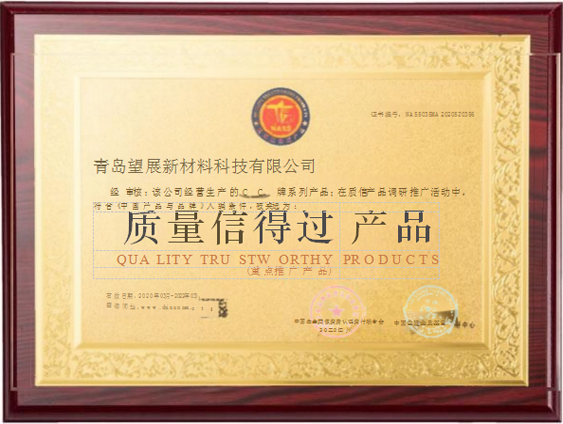
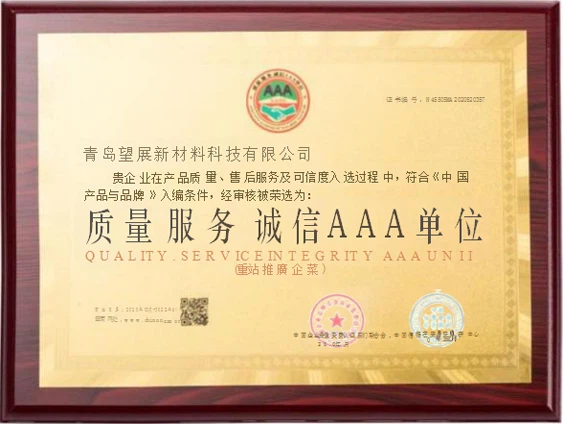
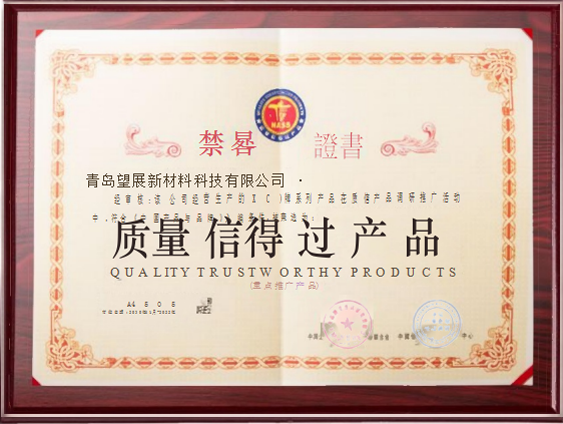
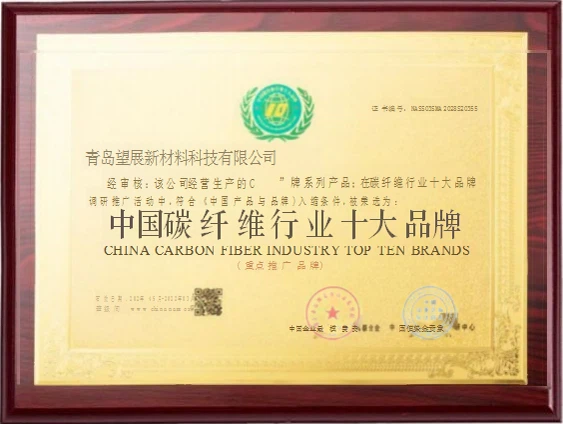
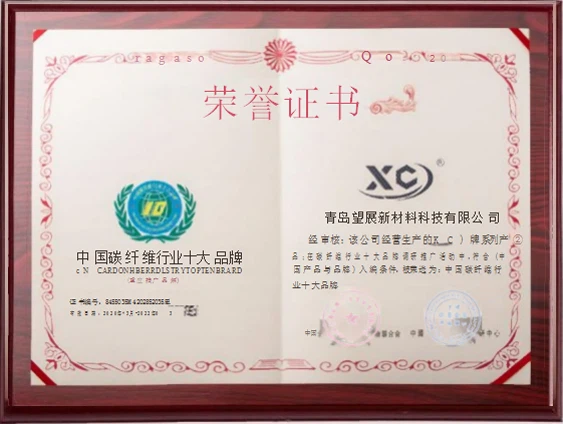
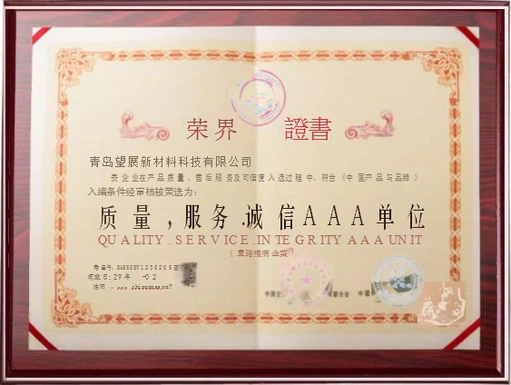
Passed ISO9001 certification and won the top ten brands in China's carbon fiber industry!


Asked Questions
Hot Tags: 1k carbon fiber, China 1k carbon fiber manufacturers, suppliers, factory, Aramid Honeycomb, Carbon Fiber Wheelchair, Carbon Fiber Tube, Carbon Fiber 1k, 2x2 Twill Carbon Fiber, carbon fiber product