


What is Para Aramid Yarn
Para aramid yarn are man-made (synthetic) fibers known for high strength, heat resistance, strong fabric integrity even at high temperatures, high tenacity, resistance to abrasion, resistance to chemicals and organic solvents, and failure to melt.
Benefits of Para Aramid Yarn
1. High Strength: Para aramid yarn boasts exceptional tensile strength, making it several times stronger than steel on a weight-for-weight basis. This property makes it ideal for applications requiring robust materials, such as ballistic armor and reinforcement fabrics.
2. Heat Resistance: With a high melting point and excellent thermal stability, para aramid yarn can withstand extreme temperatures without compromising its structural integrity. This property makes it suitable for use in environments with elevated temperatures, such as aerospace components and firefighter gear.
3. Chemical Resistance: Para aramid yarn demonstrates remarkable resistance to a wide range of chemicals, including acids, bases, and organic solvents. This makes it invaluable in applications where exposure to corrosive substances is a concern, such as industrial filtration systems and chemical protective clothing.
4. Low Flammability: Unlike many other synthetic fibers, para aramid yarn exhibits low flammability and is inherently flame-resistant. This property makes it a preferred choice for flame-retardant textiles used in firefighting gear and industrial applications where fire safety is paramount.
5. Lightweight Nature: Despite its exceptional strength and durability, para aramid yarn is remarkably lightweight, making it comfortable for use in applications where weight reduction is critical, such as aerospace components and lightweight body armor.
Related Products


The full name of para aramid is poly (p-phenylene terephthalamide), which is a type of aromatic polyamide fiber, abbreviated as PPTA, also known as aramid II or aramid 1414.

Aramid cloth, also known as Kevlar fabric, aramid fiber fabric, or aramid fabric, is a type of fabric with insulation and thermal insulation.
Why Choose us
Our Certificates
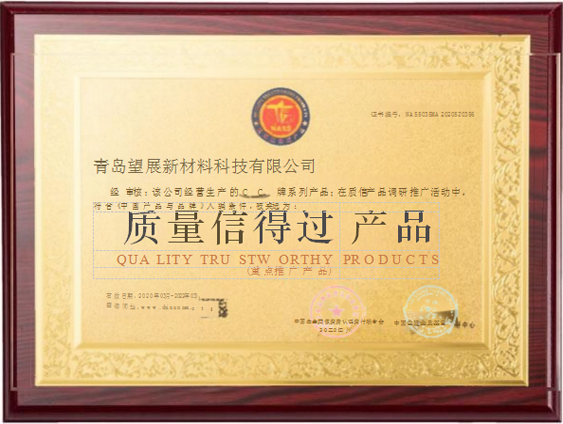
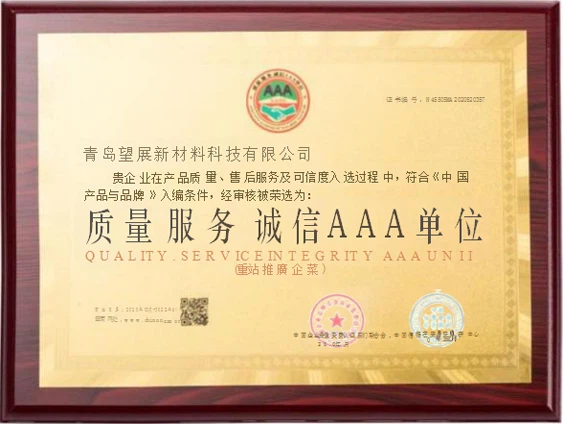
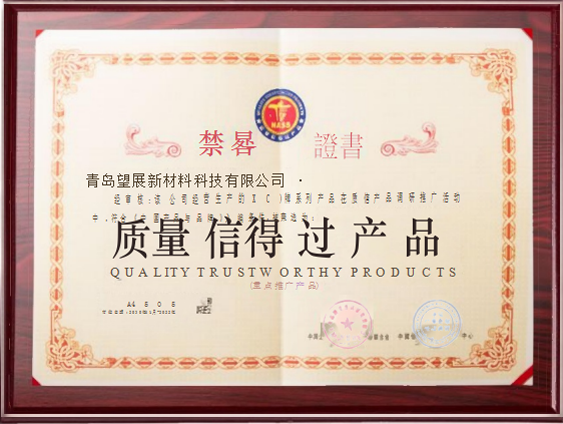
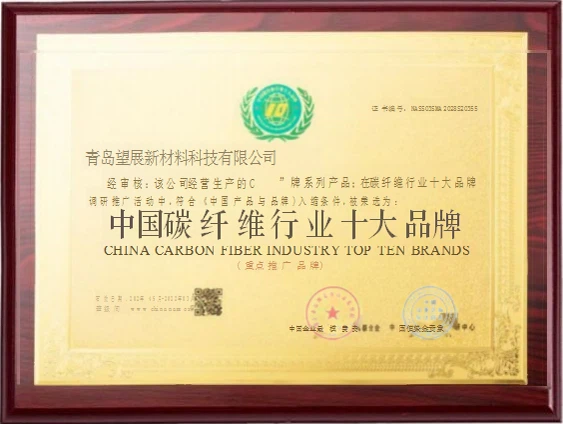
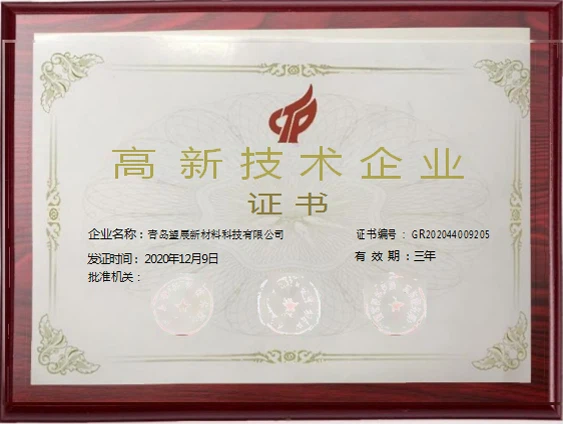
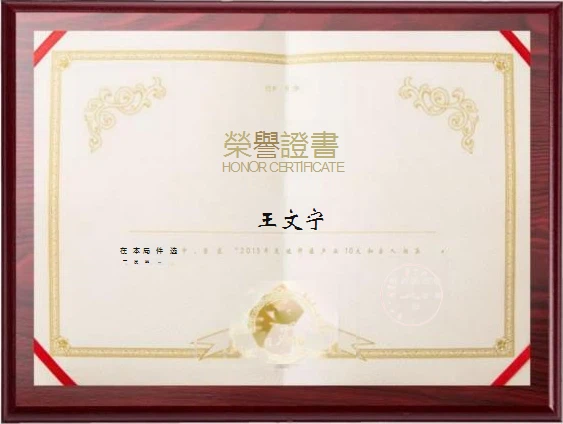
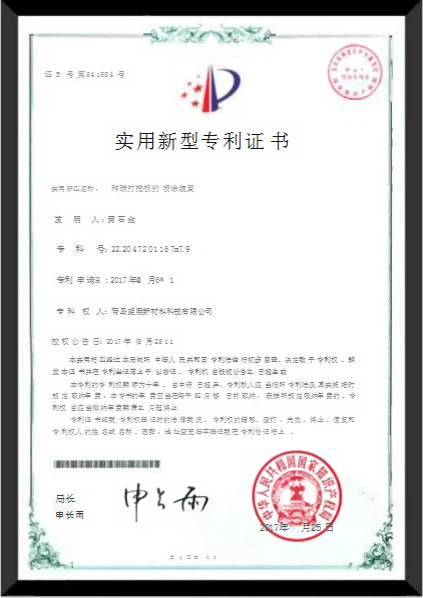
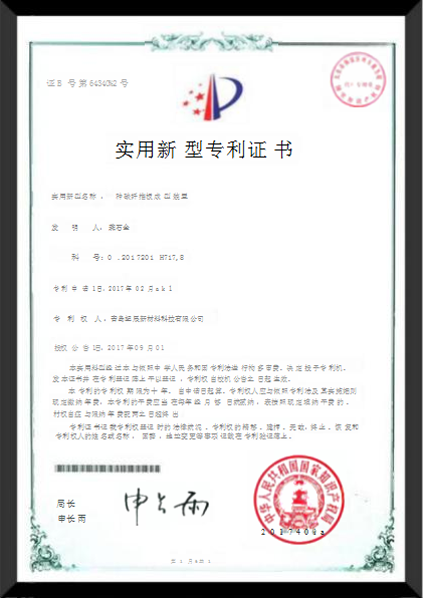
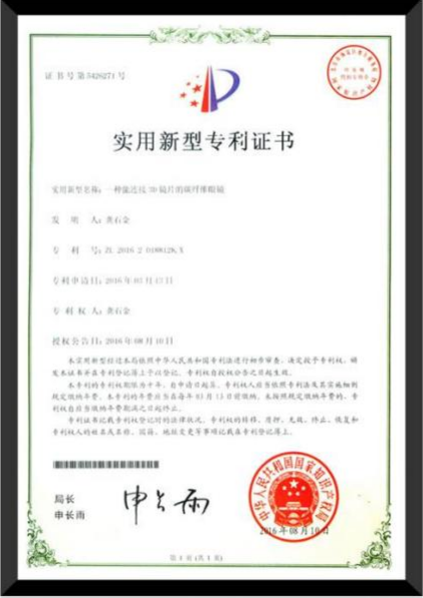
We have passed ISO 9001 management system and intellectual property management system certification. We have also been awarded the title of provincial high-tech enterprise and hold more than 50 patent certificates.
Partners
Currently, we cooperate with global industry-leading suppliers, including Toray from Japan, Mitsubishi from Japan, Hexcel from the United States, Zhongfu Shenying from China, Weihai Guangwei, Cathay Pacific, DuPont from the United States, Jushi from China, Sinoma Technology, Micron from the United States, Kentian from the United States, FK from the United States, and Daiplatinum from Sweden.
Our Company
We are an innovative enterprise specializing in the deep processing of carbon fiber, aramid fiber, flat fabric, three-dimensional weaving, and special texture blending, as well as pre-impregnated and forged products. We also produce molded, hot-pressed, and extruded carbon fiber products.
Para Aramid Yarn Vs Carbon Fiber: What's The Difference?
Definition and Properties of Para Aramid Yarn
Para Aramid Yarn is a synthetic fiber made from polyamide.
It has exceptional strength and stiffness, which makes it suitable for applications that require impact resistance.
Para Aramid Yarn has a high resistance to both heat and flame, making it ideal for use in firefighting gear and protective clothing.
It is resistant to abrasion and does not degrade easily under harsh conditions.
Para Aramid Yarn has a low density, allowing for lightweight structures.
Definition and Properties of Carbon Fiber
Carbon fiber is a composite material made from carbon atoms.
It has a high strength-to-weight ratio and is known for its stiffness and low thermal expansion.
Carbon fiber is used in a wide range of applications, including aerospace, automotive, and sports equipment.
It has excellent heat resistance and can withstand high temperatures without losing its strength.
Carbon fiber is electrically conductive and has a high resistance to chemicals and corrosion.
Para Aramid Yarn and carbon fiber are both advanced materials that offer exceptional strength and performance. Para Aramid Yarn is known for its impact resistance and flame resistance, while carbon fiber is prized for its stiffness and low weight. The choice between Para Aramid Yarn and carbon fiber will depend on the specific requirements of the application.
Strength and Stiffness
When it comes to strength and stiffness, both Para Aramid Yarns and carbon fibers are known for their exceptional properties. However, they differ in certain aspects:
Para Aramid Yarn
Para Aramid Yarns, such as Kevlar & Technora, have a high tensile strength, with values typically ranging from 22.6 to 24.5cN/dtex, making them incredibly strong.
They exhibit good resistance to external forces and can withstand high-impact loads.
Para Aramid Yarns have relatively lower stiffness compared to carbon fibers.
Carbon Fiber
Carbon fibers are known for their exceptional strength-to-weight ratio.
They offer excellent stiffness, making them highly desirable in applications that require rigidity.
Carbon fibers are lighter and stiffer than Para Aramid Yarns, making them suitable for high-performance uses.
Para Aramid Yarn
High Tensile Strength: Para Aramid Yarns, such as Kevlar & Technora, boast an impressive tensile strength that makes them incredibly robust and durable. This characteristic is particularly valuable in applications where materials need to withstand heavy loads without deformation or breakage.
Impact Resistance: Para Aramid Yarns exhibit excellent resistance to external forces, enabling them to endure high-impact loads without compromising their structural integrity. This attribute is vital in scenarios where materials are subjected to sudden impacts or dynamic stresses.
Stiffness: Para Aramid Yarns have a relatively lower stiffness compared to carbon fibers. This property grants them a degree of flexibility, which can be advantageous in applications where some level of bending or deformation is expected.
Carbon Fiber
Strength-to-Weight Ratio: Carbon fibers are renowned for their remarkable strength-to-weight ratio, meaning they can provide exceptional strength while being significantly lightweight. This characteristic is particularly beneficial in industries where materials need to deliver both strength and reduced weight, such as aerospace and automotive applications.
Excellent Stiffness: Carbon fibers offer excellent stiffness, making them highly desirable in applications that require rigidity and minimal deflection. Their stiffness ensures that structures maintain their shape and perform optimally even under heavy loads or dynamic conditions.
Lighter and Stiffer: One of the standout features of carbon fibers is that they are both lighter and stiffer than Para Aramid Yarns. This combination of properties contributes to their suitability for high-performance uses, as the lightweight nature enhances overall efficiency while the stiffness maintains structural integrity.
Both Para Aramid Yarns and carbon fibers excel in terms of strength and stiffness, each catering to specific requirements. Para Aramid Yarns exhibit remarkable tensile strength and impact resistance, making them suitable for scenarios where robustness is essential. On the other hand, carbon fibers offer an unparalleled strength-to-weight ratio and exceptional stiffness, making them optimal for applications that demand both strength and reduced weight. Understanding these differences is pivotal in selecting the most suitable material for various applications, ensuring optimal performance and reliability.
It's important to consider these differences when choosing between Para Aramid Yarn and carbon fiber for your specific applications. Factors such as strength, stiffness, weight, heat resistance, and chemical resistance will play a crucial role in determining the most suitable material for your needs.
Major Uses of Para Aramid Yarn
Tennis strings
Snowboards
Jet engine enclosures
Hot air filtration fabrics
Reinforced thermoplastic pipes
Bullet-proof wear: Body armor
Mechanical rubber reinforcement
Wicks for fire dancing
Optical fiber cable systems
Fiber-reinforced concrete
Sporting equipment
Drumheads
Wind instrument reeds
Loudspeaker diaphragms
Boat hull material
Sailcloth (not necessarily racing boat sails)
Hockey sticks (normally in composition with such materials as wood and carbon)
Composite materials: Often combined with carbon fiber.
Ropes and cables, although severely weakening under impact, limit their use on boats and climbing.
Flame-resistant clothing: For example, military suits. This includes Heat-protective clothing and helmets.
Substitute for asbestos (e.g. brake linings), whose fibers will give rise to pulmonary diseases after being inhaled into the lungs.
Production Process Of The Para Aramid Yarn
The process begins with the combination of monomers to form a sturdy, finely-grained para-aramid polymer. This material has the typical heat resistance and chemical properties of para-aramid.
Next, the polymer is dissolved in sulfuric acid to create a liquid crystalline solution. The solution is then spun into fine, naturally yellow or dye-infused continuous filament yarns by a wet-spinning process. These fibers are completely crystalline, with molecular chains running parallel to the filament axis, providing the yarns with their unique properties.
In the final stage, the continuous filament yarns are crimped to produce staple fiber, treated with a finishing agent, and then cut to the desired length to create short-cut fibers. The untwisted continuous filament yarns can now also be twisted to enhance their fit-for-use characteristics.
Filament yarns are chopped and mixed with water to form a fibrous substance called wet pulp. This wet pulp can be sold directly or dried to create and sell as dry pulp.
Company Introduction
Qingdao Wangzhan was established in 2012 and is a high-tech private enterprise leading the composite weaving industry.
We are an innovative enterprise specializing in the deep processing of carbon fiber, aramid fiber, flat fabric, three-dimensional weaving, and special texture blended, pre impregnated, and forged products, as well as molded, hot pressed, and extruded carbon fiber products.
Our company adheres to the business philosophy of "providing customers with the best technology and process solutions with first-class products and high-quality services". Currently, we cooperate with global industry leading suppliers including Toray from Japan, Mitsubishi from Japan, Hexcel from the United States, Zhongfu Shenying from China, Weihai Guangwei, Cathay Pacific, DuPont from the United States, Jushi from China, Sinoma Technology, Micron from the United States, Kentian from the United States, FK from the United States, Daiplatinum from Sweden, Daikin from Japan, and U-PICA from Japan. Relying on the advanced technology and strong support of numerous excellent suppliers, we provide high-quality products, comprehensive services, and scientific solutions to our customers in various fields such as naval vessels, aerospace and military industry, automotive lightweighting, sanitary ware and bathroom, wind power and photovoltaic, sports equipment and electronic communication, medical equipment, and rail transit.
The factory covers an area of over 7000 square meters and has passed ISO9001 management system and intellectual property management system certification. It has also been awarded the title of provincial high-tech enterprise and has more than 50 patent certificates;

Our Certificates
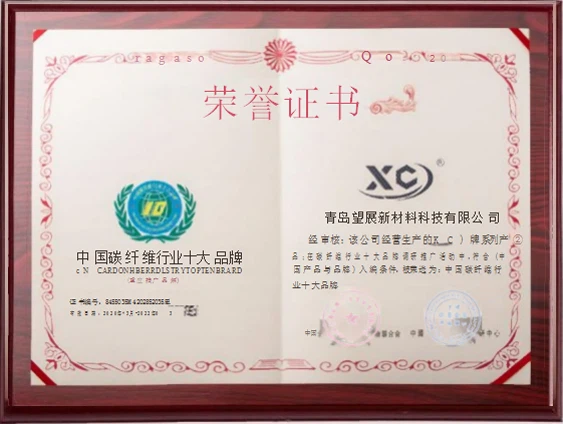
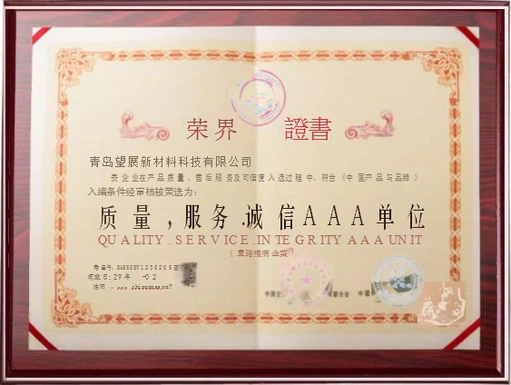
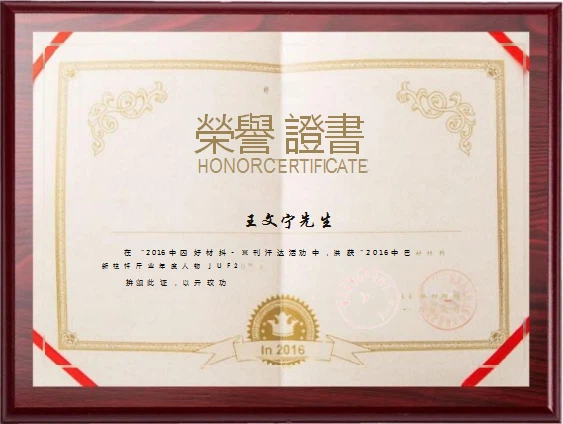
Passed ISO9001 certification and won the top ten brands in China's carbon fiber industry!


Asked Questions
Hot Tags: para aramid yarn, China para aramid yarn manufacturers, suppliers, factory, Activated Carbon Fiber Cloth, Carbon Fiber Sheet, Hybrid Fabric, Epoxy Resin Concrete Repair, carbon fiber product, Resin Infusion Vacuum Pump