


What is Aramid Fiber Cloth
Aramid fiber cloth are man-made fibers with enhanced structural properties, known for their incredible tensile strength. They are used in advanced products where light weight, yet high strength is needed. Aramid fiber cloth are made from long-chain synthetic polyamides.
Benefits of Aramid Fiber Cloth
1. Excellent chemical and thermal stability
Aramid fiber cloths are resistant to most chemicals and can withstand high temperatures without degradation. This makes them ideal for harsh environments and places where there is an increased risk of exposure to chemicals.
2. High tensile modulus & strength
Aramid fiber cloths are well-known for their high tensile strength, the maximum amount of force a material can withstand before breaking. Aramid fiber cloths have a higher tenacity than most other fibre materials, which is why they are essential components in the aerospace, defence, and industrial applications.
3. Low density
Aramid fiber cloths have low density, making them lighter than other materials used for similar applications. This is particularly important in aerospace and marine engineering, where reducing weight is a top priority so that vehicles can fly and sail.
4. Heat resistant & non-flammable
Aramids are non-flammable and won't ignite under normal circumstances. They can withstand high temperatures and don't start to break down until they hit 500 degrees, making them ideal for products used in environments where fires or explosions may occur.
5. Insulation properties
Aramid fiber cloths are also good insulators, meaning they can help to protect against heat and electrical currents.
6. Resistance to impact and damage
Highly resistant to impact and damage, aramid fiber cloths can withstand wear and tear better than most other materials. This makes them ideal for manufacturing products that need to withstand large amounts of impact (like armour) and generally to increase the longevity of products.
7. Low moisture absorption
Aramid fiber cloths absorb very little water and are less likely to be damaged by water than other materials. This is particularly important for products like ropes and cables that require low moisture absorption in wet environments or underwater applications.
Related Products


The full name of para aramid is poly (p-phenylene terephthalamide), which is a type of aromatic polyamide fiber, abbreviated as PPTA, also known as aramid II or aramid 1414.

Aramid cloth, also known as Kevlar fabric, aramid fiber fabric, or aramid fabric, is a type of fabric with insulation and thermal insulation.
Why Choose us
Our Certificates
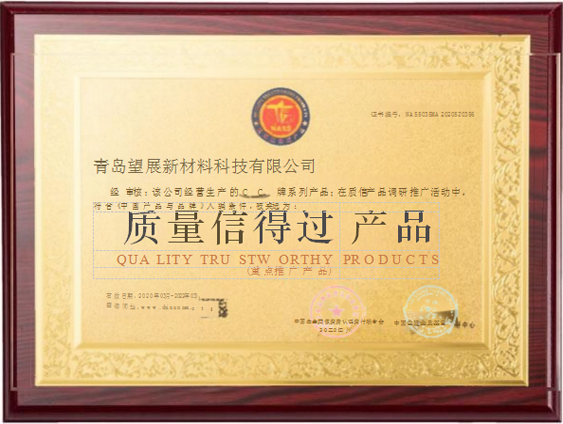
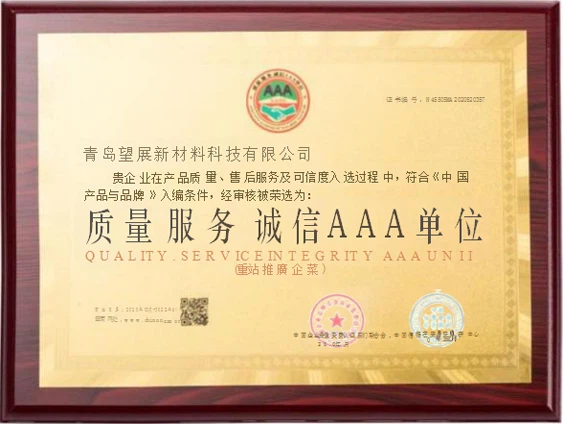
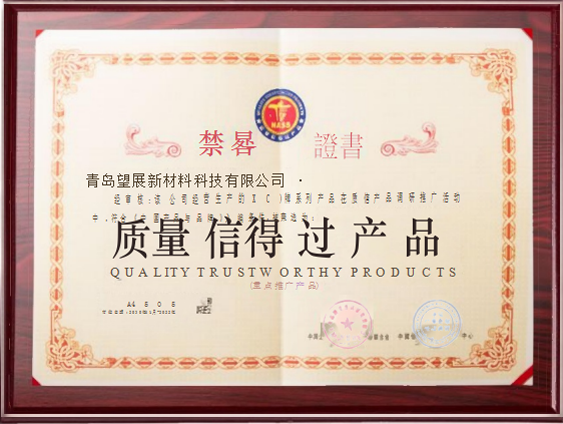
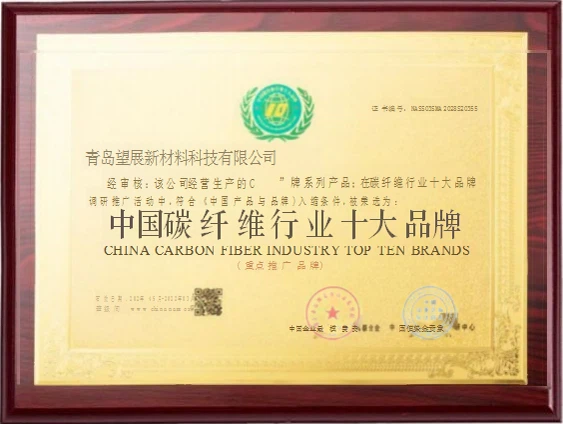
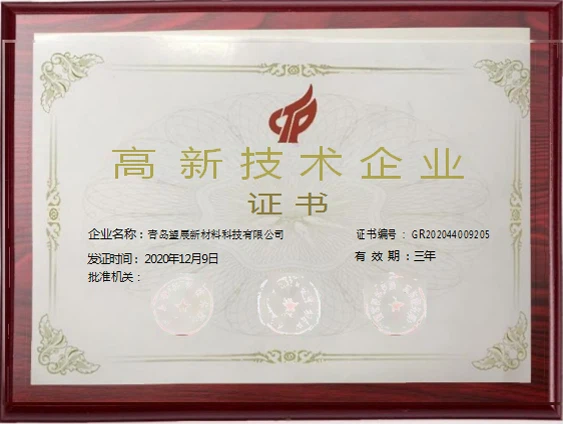
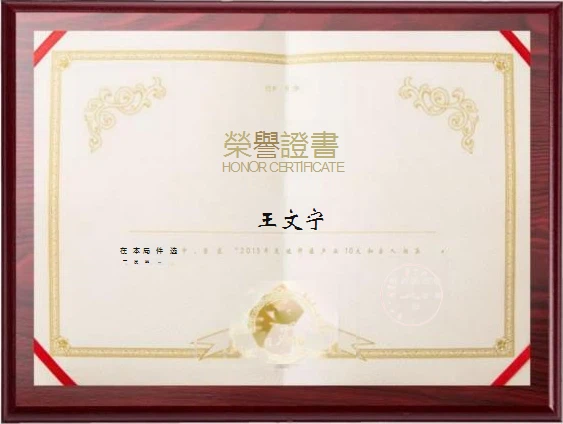
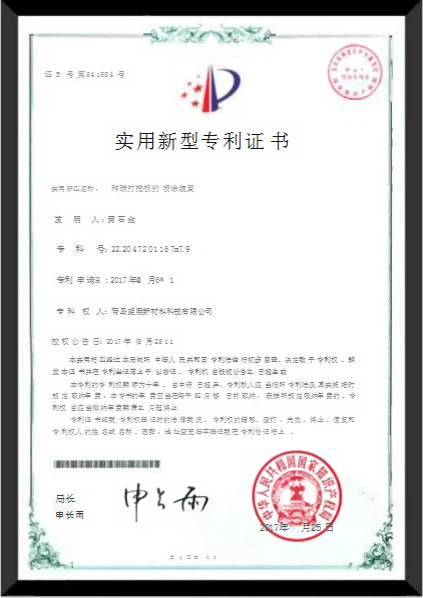
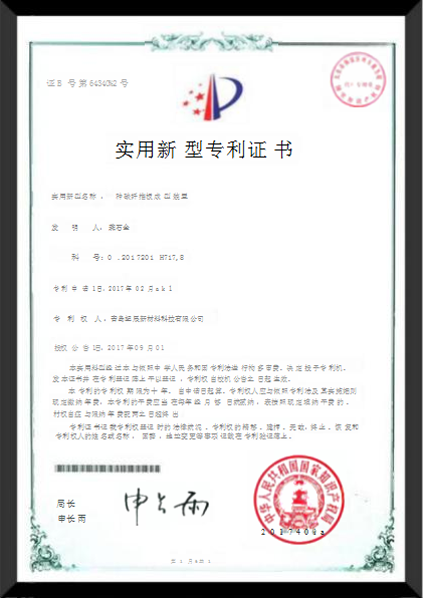
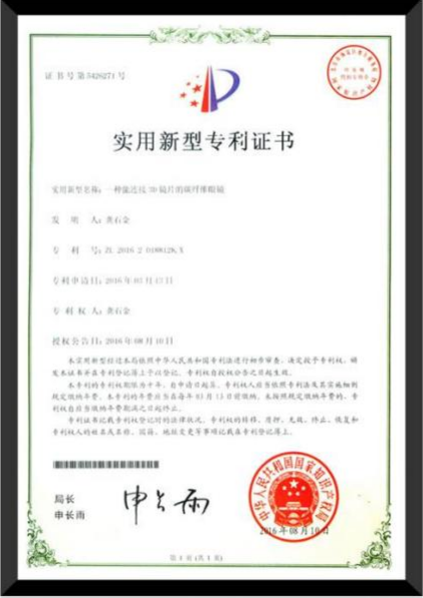
We have passed ISO 9001 management system and intellectual property management system certification. We have also been awarded the title of provincial high-tech enterprise and hold more than 50 patent certificates.
Partners
Currently, we cooperate with global industry-leading suppliers, including Toray from Japan, Mitsubishi from Japan, Hexcel from the United States, Zhongfu Shenying from China, Weihai Guangwei, Cathay Pacific, DuPont from the United States, Jushi from China, Sinoma Technology, Micron from the United States, Kentian from the United States, FK from the United States, and Daiplatinum from Sweden.
Our Company
We are an innovative enterprise specializing in the deep processing of carbon fiber, aramid fiber, flat fabric, three-dimensional weaving, and special texture blending, as well as pre-impregnated and forged products. We also produce molded, hot-pressed, and extruded carbon fiber products.
Application of Aramid Fiber Cloth
Aeronautics
Aramid fiber cloth has low density, high strength, and good corrosion resistance. It can be used to manufacture rocket engine casings for missiles, broadband wave-transmitting materials for fuselages, main wings, and empennages of aircraft and spacecraft, and structural components that can withstand impact forces. Aramid fiber cloth can also be used to make secondary structural materials for large aircraft, such as cabin doors, windows, wings, fairing body surfaces, etc., and can be used to make ceilings and warehouse walls in the aircraft to reduce its weight.
Military field
Aramid composite materials can be used to manufacture missile solid rocket motor casings, pressure vessels, spacecraft cockpits, submarines, bulletproof armored vehicles, bulletproof cash transport vehicles, bulletproof panels, bulletproof helmets, body armor, etc.
Aramid fiber cloths, carbon fibers, and ultra-high molecular weight polyethylene fibers are called the three high-performance fibers. They are widely used in national defense and civilian industries, and are strategic materials for a strong country and a strong army. The products are mainly used in the fields of optical fiber and cable, rope ribbon, skeleton material, composite material, friction sealing material, textile and bulletproof protection, and the standard configuration is bulletproof vest.
Electronic and electrical field
Due to the relatively late start of research on aramid materials in my country, the technology has developed rapidly. The currently developed satellite apstar-2r uses a honeycomb interlayer as the reflective surface of the antenna. The inner and outer skins of the antenna use para-aramid materials, and the interposition uses honeycomb aramid. In the manufacturing process of the aircraft radome, para-aramid is used to take advantage of the good wave-transmitting performance of this material and the low expansion coefficient, so the frequency of the reflector can meet the dual requirements of its own structure and function. Esa has developed a two-color sub-type reflector with a diameter of 1.1m. It uses a meta-honeycomb structure in the sandwich structure and uses aramid material as the skin. The epoxy resin temperature of this structure can reach 25°c and the dielectric constant is 3.46. The loss factor is 0.013, the reflection loss of the transmission link of this kind of reflector is only 0.3db, and the transmission signal loss is 0.5db.
Other fields
Aramid fiber cloths contain a large number of benzene rings in their molecules, which have good chemical stability, corrosion resistance, high specific strength, light and strong, and can be used to manufacture cables for seagoing vessels and deep oil wells. Utilize the high temperature resistance and fatigue resistance of aramid fiber cloth to make high-grade rackets, fishing rods, sleds, skis, ski poles, bows and arrows, rowing boats, golf clubs, etc., and can also be used to make mountaineering shoes with harsh sports conditions boots, boxing gloves, racing helmets, racing car bodies, etc. Since asbestos is a serious hazard to the human respiratory tract, aramid fiber cloths can be used instead of asbestos to make reinforced rubber sealing plates and other seals, which are used for the liners and rings of automobile brakes.
Carbon Fiber vs Aramid Fiber Cloth: Everything You Need to Know
Is aramid fiber cloth the same as carbon fiber?
No, aramid fiber cloth is not the same as carbon fiber. While both fibers are classified as "advanced composites," they have different chemical structures and properties.
Carbon fiber is made of thin strands of carbon atoms, which are tightly bound and oriented in a specific direction. The carbon fibers are then woven into fabrics or mats and impregnated with resin to form composite materials. It is known for its high tensile strength, stiffness, and low weight.
Aramid fiber cloth, on the other hand, is a type of synthetic polymer that contains aromatic rings in its molecular structure. The most well-known fiber is kevlar, which is used in bulletproof vests, helmets, and other protective gear. Aramid fiber cloth has excellent resistance to impact, abrasion, and heat, but is less stiff and strong.
Applications of carbon fiber and aramid fiber cloth
Carbon fiber and aramid fiber cloth are used in a wide range of applications, including:
Carbon fiber applications:
Aerospace: Used extensively in the aerospace industry for structural components, such as wings, fuselages, and landing gear.
Automotive: A preferable choice for high-performance cars for body panels, frames, and suspension components to reduce weight and improve performance.
Sports equipment: Used for the design of tennis rackets, golf clubs, and bicycles, to improve performance and reduce weight.
Wind energy: The composite material is used in wind turbine blades to reduce weight and increase efficiency.
Aramid fiber cloth applications
Protective gear: Used in bulletproof vests, helmets, and other protective gear to provide impact resistance.
Industrial applications: Applied in the design of conveyor belts, hoses, and gaskets, due to its high abrasion resistance and heat resistance.
Aerospace: Effective in aerospace applications, such as aircraft tires and rocket motor cases, due to the high strength and heat resistant characteristics.
Sporting goods: It is used in sporting goods, such as skis and snowboards, to provide impact resistance and durability.
Production of Aramid Fiber Cloths
Raw Materials: The production of Aramid Fiber Cloths begins with specialized raw materials, typically aromatic amines and aromatic acids, used to create a polymer solution.
Polymerization: Through a controlled chemical process called polymerization, these raw materials undergo reactions to form long-chain polyamide molecules. This step is crucial in creating the basic structure of Aramid Fiber Cloths.
Dissolution: The resulting polymer solution is dissolved in a solvent to create a viscous liquid.
Spinning: The dissolved polymer solution undergoes a spinning process, where it is extruded through fine spinnerets (tiny holes) to form continuous filaments.
Coagulation Bath: The extruded filaments then pass through a coagulation bath, where the solvent is removed. This solidifies the filaments into a solid fiber form.
Drawing and Heat Treatment: The solidified fibers are subjected to a drawing process, where they are stretched to align the molecular chains, enhancing their strength. Subsequent heat treatment at high temperatures helps in finalizing the fiber properties.
Cutting and Packaging: Once the fibers reach the desired strength and properties, they are cut into specific lengths, bundled, and packaged for distribution and further processing.
Modern manufacturing techniques employ advanced machinery and precise control over the production parameters to ensure consistency and quality of the Aramid Fiber Cloths. Continuous research and development in this field aim to optimize the production process for improved performance and cost-efficiency.
How to Properly Care for and Extend the Life of Your Aramid Fiber Cloth
Aramid Fiber Cloth is a high-performance material that is widely used in a variety of applications, from body armor to racing suits. While Aramid Fiber Cloth is known for its exceptional strength and durability, it is important to take proper care of it in order to maximize its lifespan and performance. In this article, we will explore some tips on how to maintain Aramid Fiber Cloth.
First and foremost, it is important to follow the manufacturer's instructions for cleaning and care. Different types of Aramid Fiber Cloth may require different methods of care, so be sure to check the label or contact the manufacturer for guidance. In general, Aramid Fiber Cloth should be washed in cold water with a mild detergent and hung to dry. Avoid using bleach or fabric softeners, as these can damage the fibers.
When washing Aramid Fiber Cloth, it is also important to avoid using abrasive materials or brushes. Instead, use a soft cloth or sponge to gently clean the fabric. If the cloth has any stains or spots, try to treat them as soon as possible. For oil-based stains, a solution of dish soap and warm water may be effective. For other types of stains, consult the manufacturer for advice.
In addition to washing and cleaning, it is also important to store Aramid Fiber Cloth properly. Ideally, Aramid Fiber Cloth should be stored in a cool, dry place away from direct sunlight. Avoid folding or creasing the fabric, as this can weaken the fibers over time. If possible, store Aramid Fiber Cloth on a hanger or roll it up loosely.
When using Aramid Fiber Cloth, it is important to avoid exposing it to high temperatures or flames. While Aramid Fiber Cloth is heat-resistant, prolonged exposure to high temperatures can cause the fibers to break down over time. If you are using Aramid Fiber Cloth in a high-temperature application, be sure to choose a product that is specifically designed for that use.
Finally, it is important to inspect Aramid Fiber Cloth regularly for signs of damage or wear. Look for any fraying, tears, or other signs of wear that could compromise the integrity of the fabric. If you notice any damage, replace the fabric as soon as possible.
In conclusion, maintaining Aramid Fiber Cloth is essential to ensure that it performs at its best for as long as possible. By following the manufacturer's instructions for care, avoiding harsh chemicals and abrasive materials, storing the fabric properly, and inspecting it regularly for damage, you can help to extend the life of your Aramid Fiber Cloth and keep it in top condition for all of your high-performance needs.
Company Introduction
Qingdao Wangzhan was established in 2012 and is a high-tech private enterprise leading the composite weaving industry.
We are an innovative enterprise specializing in the deep processing of carbon fiber, aramid fiber, flat fabric, three-dimensional weaving, and special texture blended, pre impregnated, and forged products, as well as molded, hot pressed, and extruded carbon fiber products.
Our company adheres to the business philosophy of "providing customers with the best technology and process solutions with first-class products and high-quality services". Currently, we cooperate with global industry leading suppliers including Toray from Japan, Mitsubishi from Japan, Hexcel from the United States, Zhongfu Shenying from China, Weihai Guangwei, Cathay Pacific, DuPont from the United States, Jushi from China, Sinoma Technology, Micron from the United States, Kentian from the United States, FK from the United States, Daiplatinum from Sweden, Daikin from Japan, and U-PICA from Japan. Relying on the advanced technology and strong support of numerous excellent suppliers, we provide high-quality products, comprehensive services, and scientific solutions to our customers in various fields such as naval vessels, aerospace and military industry, automotive lightweighting, sanitary ware and bathroom, wind power and photovoltaic, sports equipment and electronic communication, medical equipment, and rail transit.
The factory covers an area of over 7000 square meters and has passed ISO9001 management system and intellectual property management system certification. It has also been awarded the title of provincial high-tech enterprise and has more than 50 patent certificates;

Our Certificates
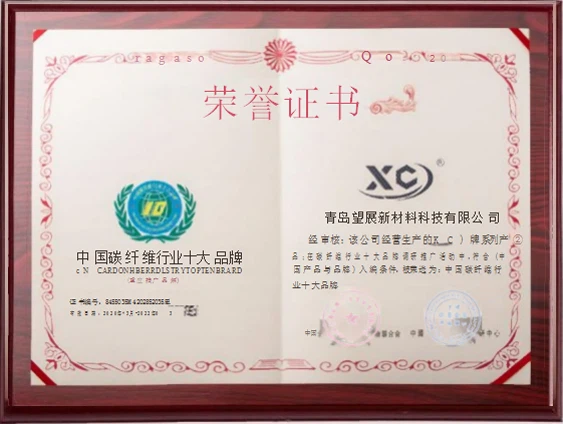
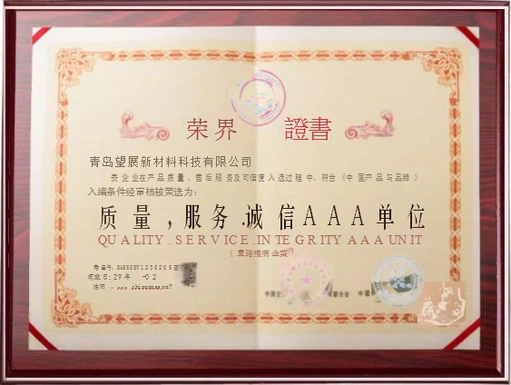
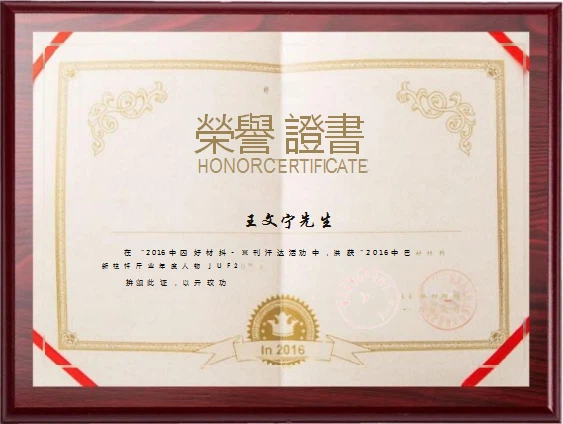
Passed ISO9001 certification and won the top ten brands in China's carbon fiber industry!


Asked Questions
Hot Tags: aramid fiber cloth, China aramid fiber cloth manufacturers, suppliers, factory, kevlar laminates, Carbon Fiber Wheelchair, Carbon Fiber Reinforcement in Concrete, vacuum bagging composites, Vacuum Sealant Tape, Carbon Fiber 1k