


What is Carbon Fiber Tube
Carbon fiber tubes (also known as carbon fiber rods if they are stiffer and heavier) are predominantly cylindrical structures made from carbon fibers implanted in a polymer matrix, oftentimes an epoxy resin.
Benefits of Carbon Fiber Tube
Weight reduction
One of the standout benefits is the lightweight nature of carbon fiber tubes. In industries like aerospace and automotive, saving weight means better fuel efficiency and performance.
01
High strength and durability
Despite being light, these tubes are incredibly strong and durable. They can handle heavy loads and harsh conditions, lasting longer than many traditional materials.
02
Corrosion resistance
Unlike metals, carbon fiber doesn't rust or corrode, making these tubes ideal for marine applications and environments with high moisture and chemicals.
03
Design flexibility
Carbon fiber tubes can be molded into various shapes and sizes, offering flexibility that's hard to match with other materials. This allows for innovative designs and customized solutions.
04
Thermal stability
Carbon fiber tubes maintain their strength and shape even in extreme temperatures, making them suitable for high-heat applications.
05
Related Products
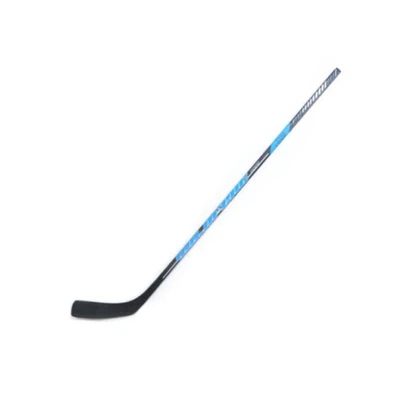
Ice hockey is a high-speed and powerful sport that requires equipment that not only has excellent performance, but also can withstand extreme sports intensity.
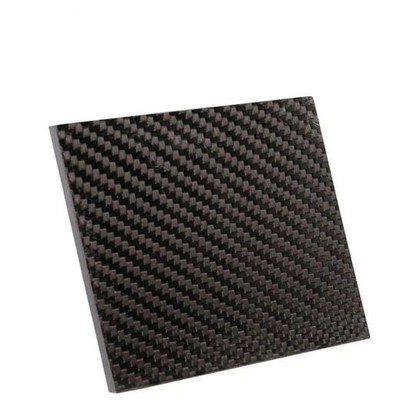
Carbon fiber sheet manufactured using 100% high strength carbon fiber reinforcement cured under pressure and temperature to produce a high-performance sheet suitable for fully structural applications whilst also having a class-A (cosmetic) finish on one side.
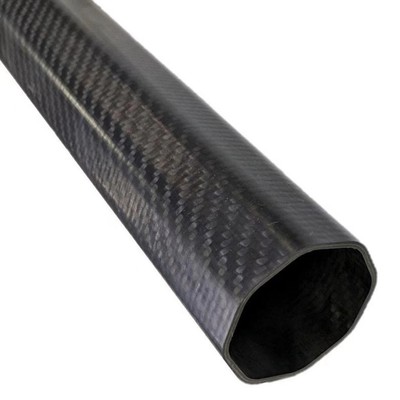
Carbon Fiber Octagonal Tubes are precision-crafted components made from high-grade carbon fiber, a material renowned for its exceptional strength-to-weight ratio and exceptional stiffness.
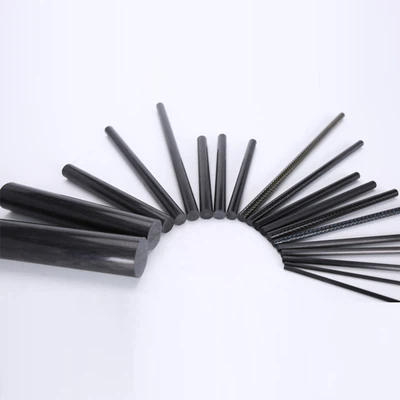
Carbon fiber sticks are very straight and hard, making them ideal building materials for frames, trusses, and reinforcement materials.
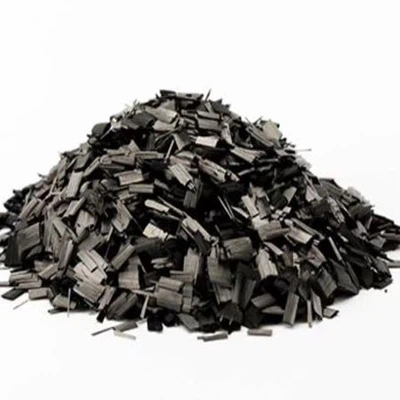
Chopped carbon fiber refers to the carbon fiber with high strength and high modulus, which is processed into bundles by bundler selected according to the purpose, and then cut into specified lengths.
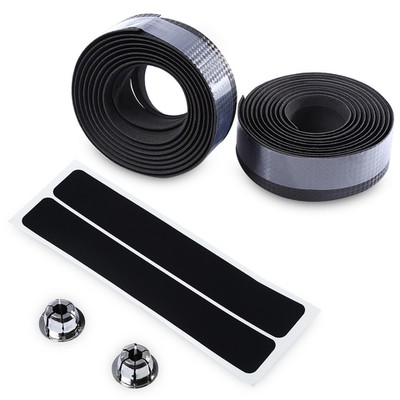
Carbon fiber Strip refers to a strip of material made of carbon fiber. Used for winding composite materials, extrusion stretching carbon Strip reinforced composite materials, heating elements, conductive materials, and semiconductor materials.
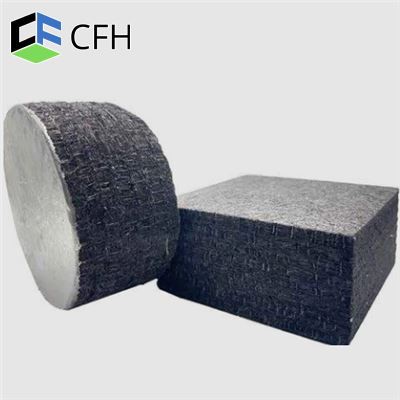
There are three main types of carbon fiber felt, namely polyacrylonitrile based carbon felt, adhesive based carbon felt, and asphalt based carbon felt.
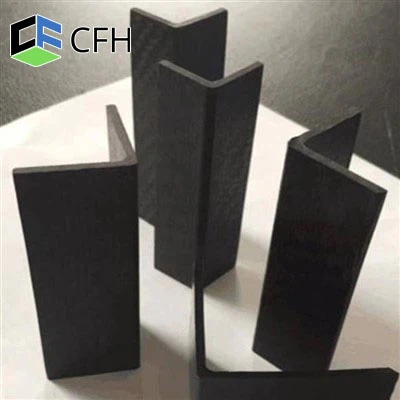
Enhanced Composites angles are manufactured from 100% carbon fiber using a combination of woven and multidirectional pre-preg fabric, to produce an attractive and extremely strong 90 degree angle.
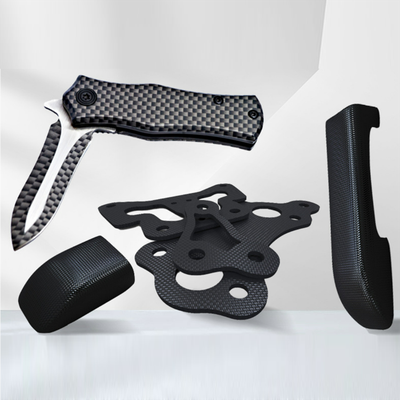
The high-quality carbon fiber panel is made of 100% high-strength carbon fiber reinforced material and epoxy resin, with a smooth, glossy, and beautiful carbon fiber finish on one side and a textured "peel off layer" finish on the back.
Why Choose us
Our Certificates
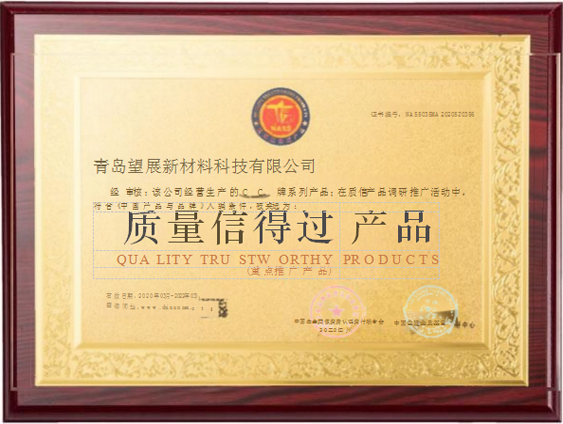
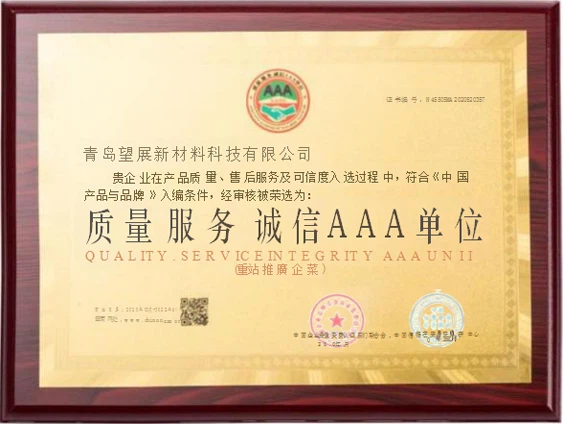
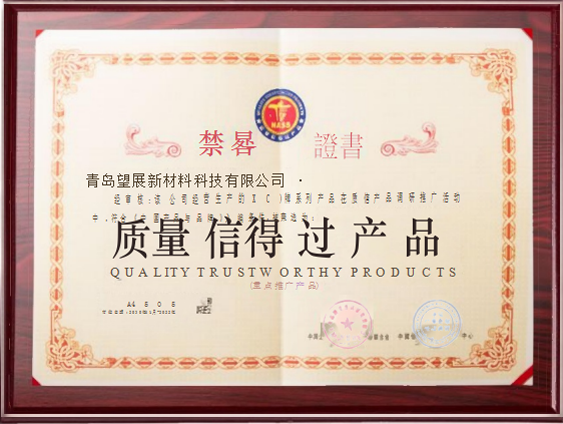
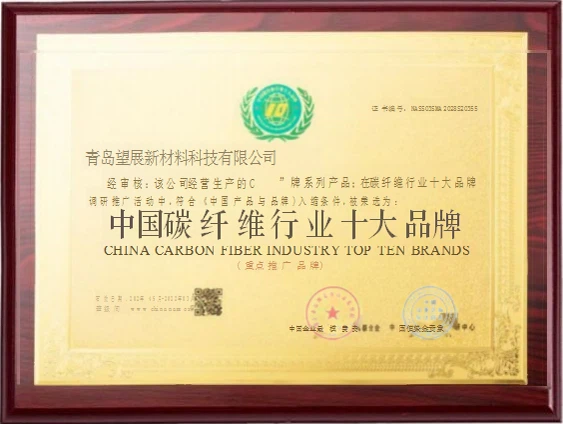
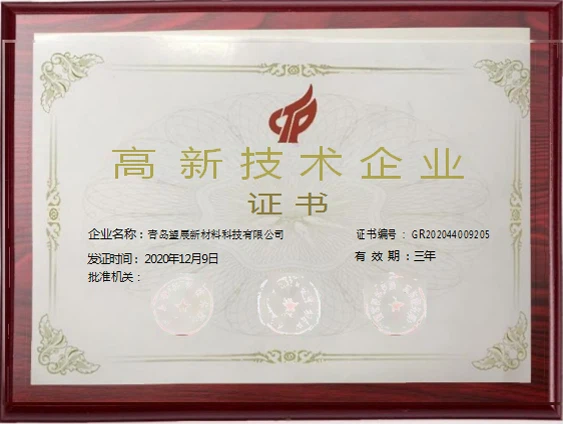
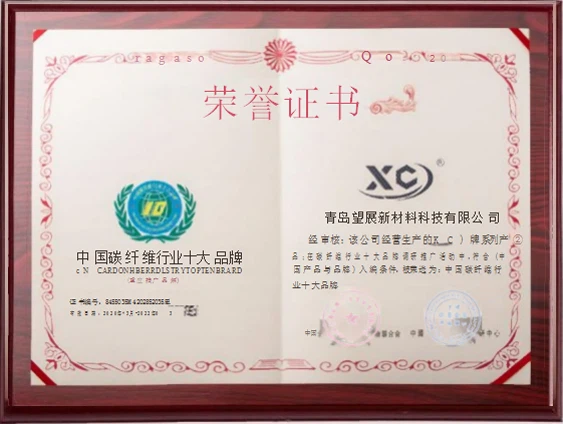
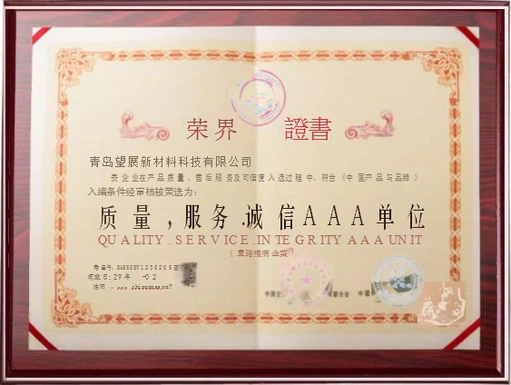
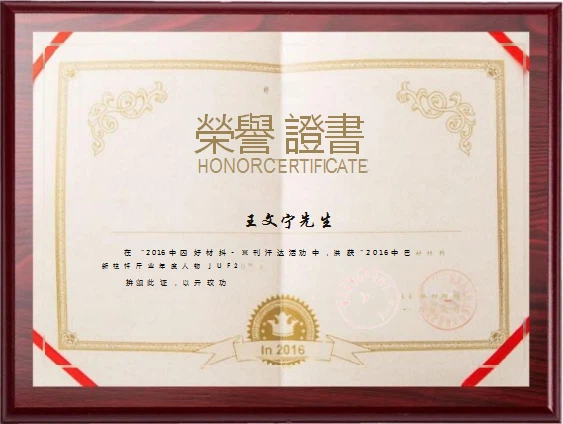
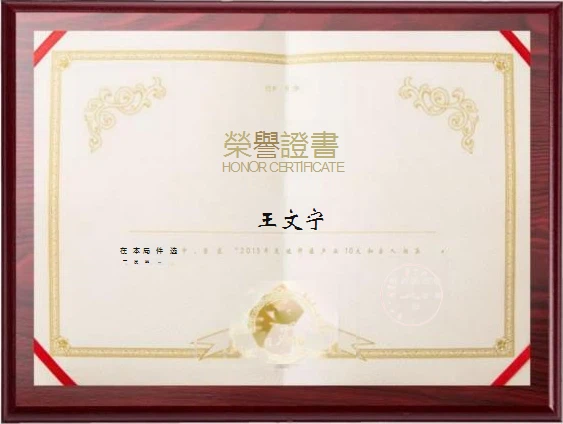
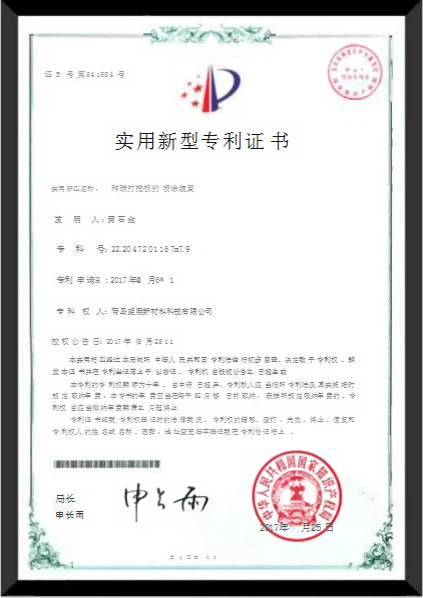
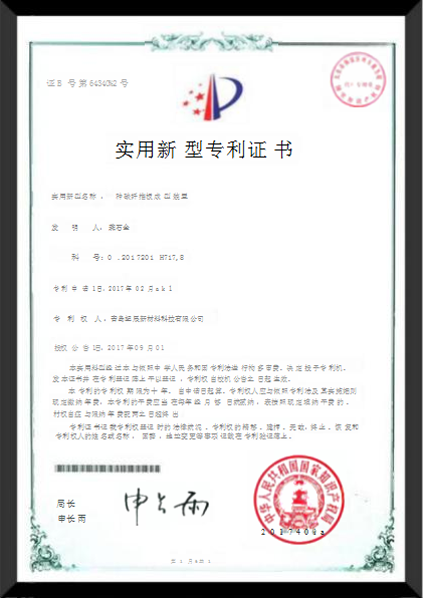
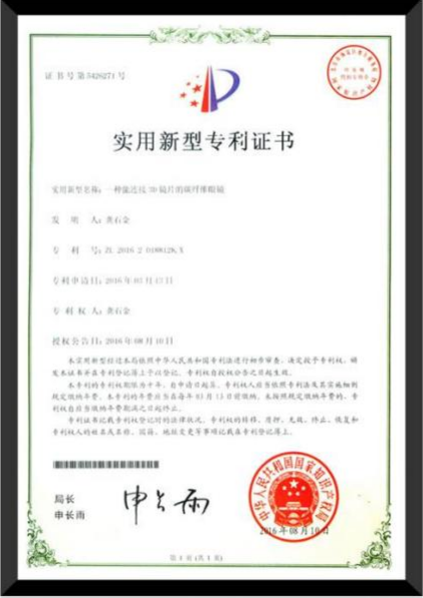
We have passed ISO 9001 management system and intellectual property management system certification. We have also been awarded the title of provincial high-tech enterprise and hold more than 50 patent certificates.
Partners
Currently, we cooperate with global industry-leading suppliers, including Toray from Japan, Mitsubishi from Japan, Hexcel from the United States, Zhongfu Shenying from China, Weihai Guangwei, Cathay Pacific, DuPont from the United States, Jushi from China, Sinoma Technology, Micron from the United States, Kentian from the United States, FK from the United States, and Daiplatinum from Sweden.
Our Company
We are an innovative enterprise specializing in the deep processing of carbon fiber, aramid fiber, flat fabric, three-dimensional weaving, and special texture blending, as well as pre-impregnated and forged products. We also produce molded, hot-pressed, and extruded carbon fiber products.
Application of Carbon Fiber Tube
Carbon Fiber Tubes for Cars and Bikes
Carbon fiber tubing is used in cars, motorcycles, and bicycles for weight reduction. Some examples are:
● Exhaust systems in sportbikes or racing machines
● Suspension systems in sports cars utilizing carbon fiber suspension springs
● Racecar parts such as carbon fiber brake calipers or carbon fiber rotors
● Lightweight racing and mountain bike frames
Carbon Fiber Tubes in Manufacturing and Aerospace Industries
Next, let's look at how carbon tubes are used in the manufacturing and aerospace industries. Carbon fiber can be found on many aircraft built today. Typical applications include the fuselage, wing structure, and controls. Carbon fiber is also used in internal bulkheads, flooring, ducts, and access panels.
Carbon Fiber Tubes for Construction
Construction companies and other industries are using carbon tubes in a variety of ways. They're being used in bridges and truss construction. Their strength-to-weight ratio makes them ideal construction materials.
Carbon Fiber Tubes for Sporting Goods
Lastly, carbon fiber tubing is commonly found in sporting goods such as fishing rods and tennis rackets. Its high tensile strength makes these products more durable and lightweight resulting in improved performance.
How to Choose the Best Carbon Fiber Tube for an Application
The different types of carbon fiber tube
There are two main types of tubes we are covering in this tutorial: Pultruded tubes and roll wrapped tubes.
Pultruded tubes tend to be in the smaller diameters and provide the maximum possible longitudinal strength but at the expense of being more vulnerable to crushing or torsional fracture. The inner and outer surface of these are smooth with the fibres visible if looked at closely. These tubes are formed by pulling the fibres through a resin bath and heated die to form the tube. The fibres are all orientated down their length. The pultrusion process does mean the tubes have a good level of stiffness but are easy to split.
Mechanical testing introduction
The purpose of these mechanical tests is to provide comparative data between the two types of carbon fiber tube, 304 stainless steel and 6063 aluminium. We are using the same profile sizes throughout the tests, namely 10mm outside diameter and 8mm inside diameter. This will show the performance relative to each other for identical profiles.
Tensile strength test
This is a simple tensile test where the tubes are pulled on until they fail. The tubes are pulled until their elastic limit and then further pulled until they break. The elastic limit is indicated by the constant gradient on the graph and when it begins to yield and move to plastic deformation, the gradient reduces until it breaks. As such the yield point is much more important to note.
Compressive strength test
This is a relatively simple compressive test pressing the tube between two grips. The metal samples behave pretty much as expected and the carbon tubes again fail at the grip showing the limitations of the test method. The steel tube is the best performer at 1.5 tons, followed up by the pultruded and roll wrapped tubes at just under a ton, with the aluminium tube failing at around half a ton.
Torsional stiffness test
We are comparing the tubes with a known torsional load to provide comparative data until the tubes slip in the grips or fail. It is particularly difficult to get a good grip in this kind of test to hold until failure, but we can test them to a known level. In this case 5 newton meters which is about what you can achieve with screwdriver, then continue until the grip or tube fails.
3-point bend test
This is a flexural 3 point bend test for the tubes. Using custom tool heads to show elastic and finally plastic deformation and eventually failure. As expected, both the metal tubes failed through plastic deformation and bending. The carbon tubes deflected before failing through cracking and crushing of the tube. The roll wrapped tube performed the best at around 200kg followed closely by the steel tube at 175kg. The pultruded tube failed at around 140kg followed by the aluminium at 50kg. This test particularly highlights the benefit of the additional hoop fibres on a roll wrapped tube compared to the pultruded tubes.
Pultruded tube results & considerations
In this section we consider the results and how it might influence the use of this type of tubes. In pure tensile and compressive loadings these tubes offer exceptional performance for their weight. Loaded down their length, these pultruded tubes are about as strong as a carbon tube can be but this is at expense of torsional performance, crushing and resistance to splitting.
Roll wrapped tube results & considerations
In this section we consider the results and how it might influence the use of this type of tubes. As seen in the tension and compression tests, these tubes perform almost as well as the pultruded. The three point bend test really did highlight the benefit of the hoop fibres and the crush resistance they offered over the pultruded tubes. It also highlighted how the hoop fibres do improve the torsional resistance slightly.
Limitations of carbon fiber tubes
Although the performance of carbon fiber tubes is very good for many applications, there are also limitations and uses where carbon fiber tubes may not be ideal or suitable. We shall cover some common examples here. A good example where carbon fibre may not be suitable is high temperature applications. Carbon fibre will severely deteriorate above 120°c. They are not suitable for applications involving high levels of abrasion such as sliding bearings and bushings where the surface will wear very quickly. Precision machining such as cutting of threads does not work well as the thread would be very weak - a better solution is to use a metal insert or similar with the thread in the metal for such applications.
Types of Carbon Fiber Tubes
Unidirectional Carbon Fiber Tubes
Unidirectional (UD) carbon fiber tubes are made from carbon fibers that are all aligned in a single direction, typically along the length of the tube. This alignment maximizes the strength and stiffness in the direction of the fibers, making UD tubes ideal for applications requiring high tensile strength and stiffness along the tube's length.
Woven Carbon Fiber Tubes
Woven carbon fiber tubes are constructed from carbon fibers woven into a fabric before being rolled into tubes. The woven pattern provides strength and stiffness in multiple directions, making these tubes more versatile than unidirectional tubes. Woven tubes are commonly used in applications requiring balanced mechanical properties, such as bicycle frames, automotive components, and general industrial use.
Twill Weave
Twill weave carbon fiber tubes feature a pattern where the fibers are woven in a diagonal pattern, creating a distinctive appearance and providing a balance between strength and flexibility. This weave type enhances the tube's impact resistance and is commonly used in automotive and sporting goods applications. Twill weave patterns can vary in density and angle, affecting the tube's mechanical properties and visual appeal.
Satin Weave
Satin weave carbon fiber tubes have a smooth surface finish and excellent drapability, making them ideal for applications requiring a high-quality appearance and intricate shapes. This weave type is often used in aerospace and high-end consumer products. The satin weave provides a unique combination of aesthetic appeal and mechanical performance, with good resistance to abrasion and wear.
Basket Weave
Basket weave carbon fiber tubes feature a crisscross pattern that provides high stability and strength. This weave type is used in applications where dimensional stability and load distribution are critical, such as in construction and heavy-duty industrial applications. The basket weave enhances the tube's resistance to delamination and improves overall structural integrity.
Leno Weave
Leno weave carbon fiber tubes are characterized by a twisted fiber pattern that locks the fibers in place, enhancing the tube's stability and resistance to slippage. This weave type is suitable for applications requiring high strength and minimal deformation under load. The leno weave structure provides excellent dimensional stability and is resistant to shearing forces.
Mock Leno Weave
Mock leno weave carbon fiber tubes mimic the leno weave's stability and resistance to slippage while being easier to manufacture. This weave type is used in applications requiring a balance between strength and production efficiency. Mock leno weave offers a cost-effective solution with good mechanical performance and processability. These tubes can achieve tensile strengths around 2.6 GPa and are often used in applications where manufacturing speed and cost are critical factors. The density of mock leno weave tubes is typically around 1.55 g/cm³. Examples of applications include mass-produced automotive parts, structural components in consumer electronics, and lightweight frames for drones and UAVs.
Braided Carbon Fiber Tubes
Braided carbon fiber tubes are made by braiding carbon fibers into a tubular shape. This method offers excellent torsional strength and flexibility, making braided tubes ideal for applications involving complex shapes and dynamic loads, such as in robotics, prosthetics, and aerospace components. The braiding process allows for a more uniform distribution of stress, enhancing the tube's overall durability and fatigue resistance.
Make an Informed Decision
By understanding the specific characteristics and applications of each type of carbon fiber tube, you can make an informed decision that ensures optimal performance and efficiency in your projects. Whether you need maximum tensile strength, balanced properties, or high flexibility, there is a type of carbon fiber tube that will meet your requirements.
How to Cut Carbon Fiber Tubes
Materials Needed:
PPE: Safety glasses, dust collection, hearing & respiratory protection.
Cutting: Diamond coated abrasive cut-off blade.
Finishing: Sand paper or other abrasive surfaces
Cutting Carbon Fiber Tubes:
There are many ways to cut carbon fiber tubing. Whether you use a chop saw, tile saw, or hand held cutting tool, follow these simple steps to assure a clean cut every time.
Choose the right blade for the job:
This is the most important part. When cutting composites, it is ideal to use a diamond coated abrasive cut-off blade rather than a toothed blade. Teeth can catch the fibers and tear the material resulting in splintering or delamination.Thicker tubes may generate enough heat to re-activate the epoxy causing the blade to "gum-up".To prevent "gumming", cool the cutting surface/blade. Using a segmented blade will help reduce heat. Another option is to actively cool by using a wet saw.
Choose the right blade for the job:
Support the tube:
Supporting/bracing the tube (properly) is crucial to achieve a clean cut.To ensure a square cut, brace the tube against a straight edge or dam that is the proper angle you desire.
An unsupported tube can result in a "burred" edge. This is caused by one side of the tube moving before the cut is finished.Burrs are typically found on the "drop" section. If multiple sections are being cut out of a tube, it is crucial to support and brace both the cut end and the drop end of the tube.
Supporting/bracing the tube (properly) is crucial to achieve a clean cut.
Clean the edge:
The cut edge may have burrs and/or fibers remaining on the tube. To clean-up the edge, spin the cute edge on a piece of sand paper or other abrasive materials.
Company Introduction
Qingdao Wangzhan was established in 2012 and is a high-tech private enterprise leading the composite weaving industry.
We are an innovative enterprise specializing in the deep processing of carbon fiber, aramid fiber, flat fabric, three-dimensional weaving, and special texture blended, pre impregnated, and forged products, as well as molded, hot pressed, and extruded carbon fiber products.
Our company adheres to the business philosophy of "providing customers with the best technology and process solutions with first-class products and high-quality services". Currently, we cooperate with global industry leading suppliers including Toray from Japan, Mitsubishi from Japan, Hexcel from the United States, Zhongfu Shenying from China, Weihai Guangwei, Cathay Pacific, DuPont from the United States, Jushi from China, Sinoma Technology, Micron from the United States, Kentian from the United States, FK from the United States, Daiplatinum from Sweden, Daikin from Japan, and U-PICA from Japan. Relying on the advanced technology and strong support of numerous excellent suppliers, we provide high-quality products, comprehensive services, and scientific solutions to our customers in various fields such as naval vessels, aerospace and military industry, automotive lightweighting, sanitary ware and bathroom, wind power and photovoltaic, sports equipment and electronic communication, medical equipment, and rail transit.
The factory covers an area of over 7000 square meters and has passed ISO9001 management system and intellectual property management system certification. It has also been awarded the title of provincial high-tech enterprise and has more than 50 patent certificates;

Our Certificates
Passed ISO9001 certification and won the top ten brands in China's carbon fiber industry!


Asked Questions
Hot Tags: carbon fiber tube, China carbon fiber tube manufacturers, suppliers, factory, Conductive Carbon Fiber, Chopped Carbon Fiber, flexible carbon fiber product, Activated Carbon Fiber Cloth, Carbon Fiber Hockey Stick, Carbon Fiber Square Tube