


What is Bulletproof Helmet
A bulletproof helmet or battle helmet is a type of helmet designed to serve as a piece of personal armor intended to protect the wearer's head during combat. Bulletproof helmets are mainly designed to protect from shrapnel and fragments, offer some protection against small arms, and offer a mounting point for devices such as night-vision goggles and communications equipment.
Benefits of Bulletproof Helmet
Enhanced head protection
The primary purpose of a bulletproof helmet is to provide superior protection to the head. This comprehensive coverage ensures that vital areas of the head are shielded, minimizing the risk of severe injuries.
Reliable ballistic resistance
Bulletproof helmets are constructed using advanced materials and technology that make them resistant to ballistic impacts. The combination of lightweight yet durable materials, such as aramid fibers or high-density polyethylene, ensures the helmet can withstand high-velocity projectiles. This resistance is crucial in combat situations or during activities where the risk of ballistic threats is prominent.
Versatility in field operations
Bulletproof helmets are designed to be versatile in various field operations. Whether it's military operations, law enforcement activities, or even extreme sports, these helmets provide a reliable protective solution.
Comfortable fit for prolonged use
These helmets are designed with adjustable straps and padding to provide a customized fit for each wearer. The ergonomic design helps distribute the weight evenly, reducing strain on the neck and allowing for extended wear without discomfort.
Enhanced communication capabilities
Communication is vital in any tactical or operational setting. Bulletproof helmets are equipped with features that enhance communication capabilities, such as built-in communication systems, microphone integration, and compatibility with ear protection devices. These features ensure seamless communication among team members, allowing for better coordination and situational awareness.
Additional accessories and attachments
Bulletproof helmets offer compatibility with a wide range of accessories and attachments to meet specific operational needs. These can include night vision goggles, helmet-mounted lights, cameras, or even additional protective visors. The versatility of these helmets allows users to customize their gear according to the requirements of their specific tasks or missions.
Training and simulation purposes
Bulletproof helmets are not limited to real-world scenarios; they also serve a vital role in training and simulation exercises. The use of these helmets during training allows individuals to become familiar with the weight, fit, and feel of the gear they would use in operational environments. This familiarity enhances their preparedness and performance during actual missions or critical situations.
Longevity and durability
These helmets are designed and manufactured to withstand harsh conditions, ensuring their longevity and durability. Whether exposed to extreme temperatures, moisture, or impact, these helmets are built to withstand the rigors of demanding environments, providing reliable protection over an extended period.
Compliance with safety standards
Bulletproof helmets go through rigorous testing procedures and must meet specific safety standards to ensure their effectiveness. Compliance with these standards ensures that the helmet will perform as expected, providing the necessary protection to the wearer. It is essential to choose a helmet that meets or exceeds recognized safety standards to ensure optimal protection.
Availability and accessibility
With the increasing demand for personal protective equipment, including bulletproof helmets, the market has responded by making these helmets more widely available. Various manufacturers now offer a range of options to suit different needs and budgets. This accessibility allows individuals and organizations to obtain reliable and effective bulletproof helmets to enhance their safety and protection.
Related Products
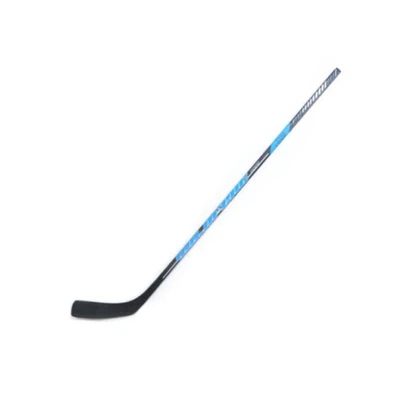
Ice hockey is a high-speed and powerful sport that requires equipment that not only has excellent performance, but also can withstand extreme sports intensity.
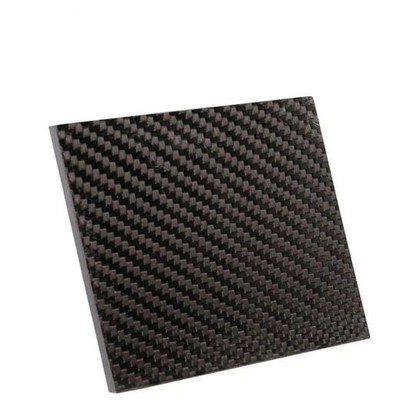
Carbon fiber sheet manufactured using 100% high strength carbon fiber reinforcement cured under pressure and temperature to produce a high-performance sheet suitable for fully structural applications whilst also having a class-A (cosmetic) finish on one side.
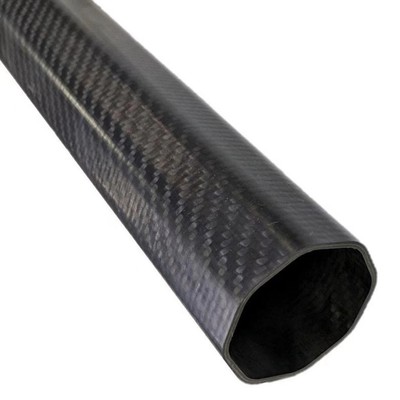
Carbon Fiber Octagonal Tubes are precision-crafted components made from high-grade carbon fiber, a material renowned for its exceptional strength-to-weight ratio and exceptional stiffness.
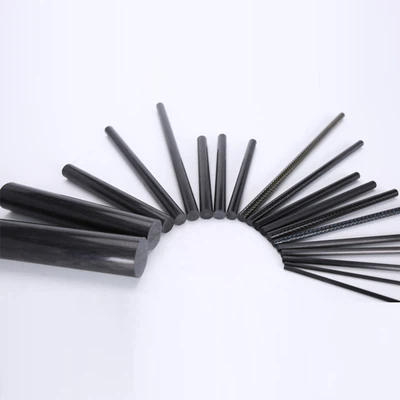
Carbon fiber sticks are very straight and hard, making them ideal building materials for frames, trusses, and reinforcement materials.
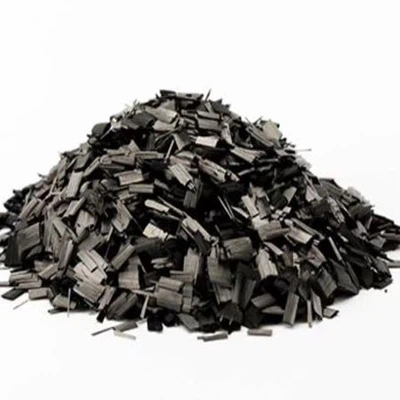
Chopped carbon fiber refers to the carbon fiber with high strength and high modulus, which is processed into bundles by bundler selected according to the purpose, and then cut into specified lengths.
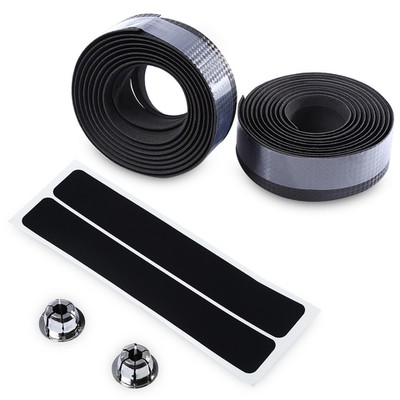
Carbon fiber Strip refers to a strip of material made of carbon fiber. Used for winding composite materials, extrusion stretching carbon Strip reinforced composite materials, heating elements, conductive materials, and semiconductor materials.
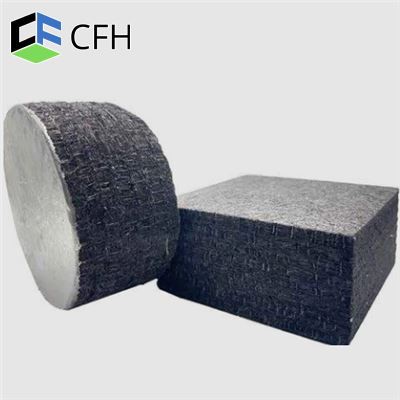
There are three main types of carbon fiber felt, namely polyacrylonitrile based carbon felt, adhesive based carbon felt, and asphalt based carbon felt.
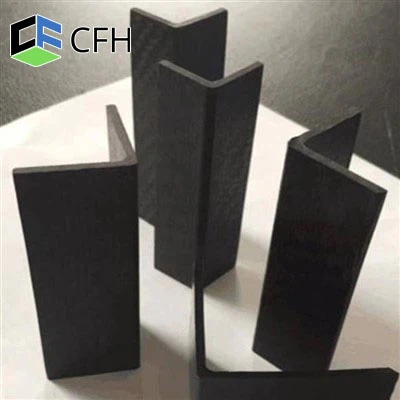
Enhanced Composites angles are manufactured from 100% carbon fiber using a combination of woven and multidirectional pre-preg fabric, to produce an attractive and extremely strong 90 degree angle.
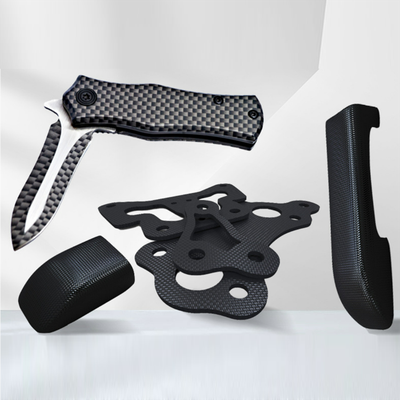
The high-quality carbon fiber panel is made of 100% high-strength carbon fiber reinforced material and epoxy resin, with a smooth, glossy, and beautiful carbon fiber finish on one side and a textured "peel off layer" finish on the back.
Why Choose us
Our Certificates
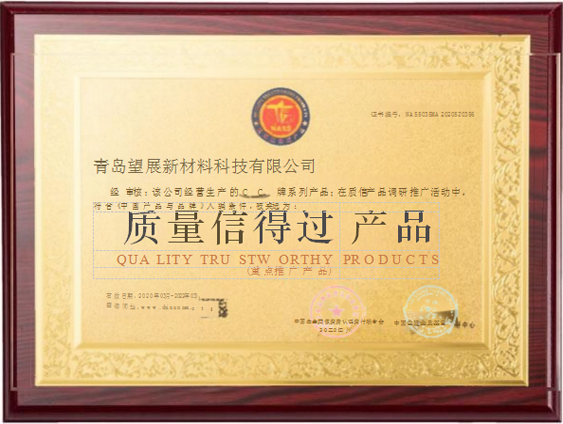
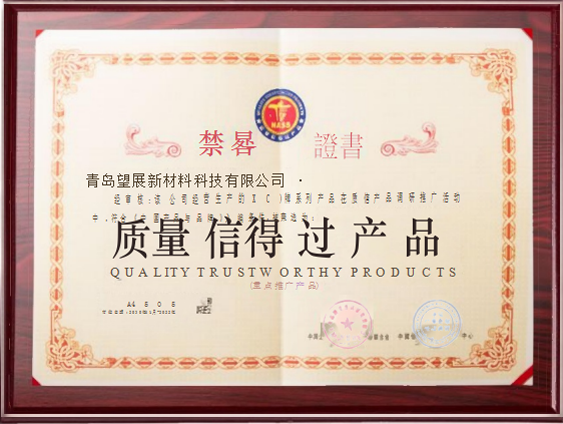
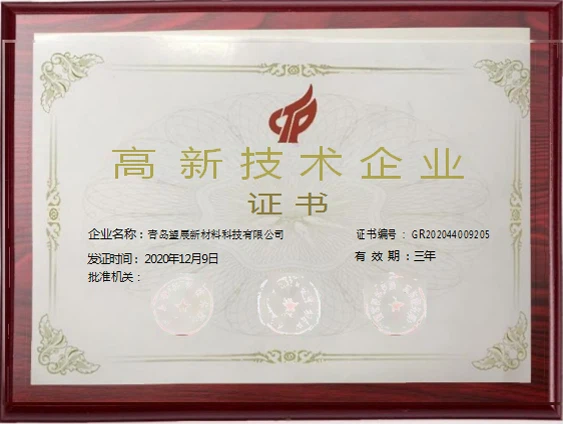
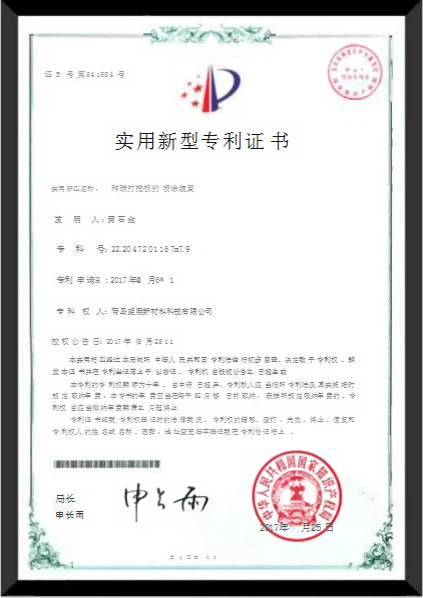
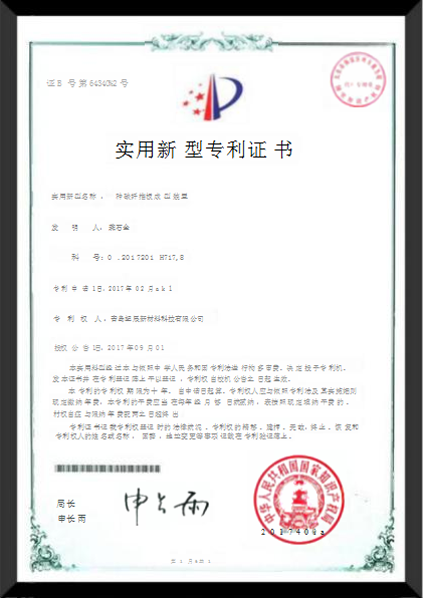
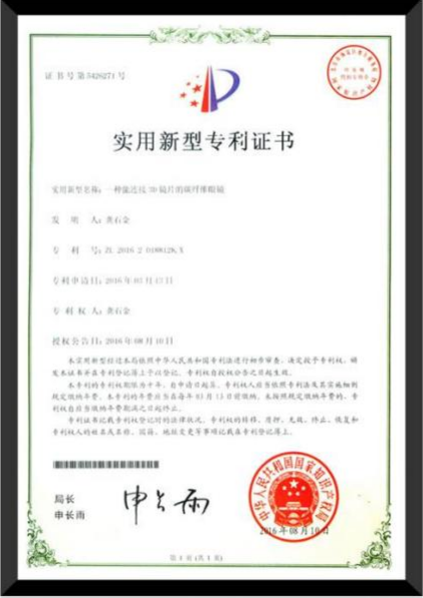
We have passed ISO 9001 management system and intellectual property management system certification. We have also been awarded the title of provincial high-tech enterprise and hold more than 50 patent certificates.
Partners
Currently, we cooperate with global industry-leading suppliers, including Toray from Japan, Mitsubishi from Japan, Hexcel from the United States, Zhongfu Shenying from China, Weihai Guangwei, Cathay Pacific, DuPont from the United States, Jushi from China, Sinoma Technology, Micron from the United States, Kentian from the United States, FK from the United States, and Daiplatinum from Sweden.
Our Company
We are an innovative enterprise specializing in the deep processing of carbon fiber, aramid fiber, flat fabric, three-dimensional weaving, and special texture blending, as well as pre-impregnated and forged products. We also produce molded, hot-pressed, and extruded carbon fiber products.
Bulletproof Helmet Guide - How to Choose a Right Ballistic Helmet?
Understanding Your Needs
Before diving into the technical details, it's essential to assess your specific needs. Consider the following questions:
● Purpose: Why do you need a ballistic/bulletproof helmet? Is it for military operations, law enforcement duties, or personal security?
● Environment: Will you be wearing the helmet in urban settings, forests, or deserts? Different environments may require different features.
● Budget: What is your budget for a bulletproof helmet? While safety is paramount, it's essential to find a balance between protection and cost.
Key Features to Look For
1. Ballistic Protection Levels
Bulletproof/Ballistic helmets come with different ballistic protection levels. These levels, such as NIJ Level IIIA, indicate the helmet's ability to stop various ammunition types. Choose a protection level based on the potential threats you may face.
2. Material and Weight
The material of the helmet influences both its weight and protective capabilities. Common materials include aramid fibers (e.g., Kevlar) and high-density polyethylene. Consider the balance between protection and comfort, especially if you'll be wearing the helmet for extended periods.
3. Fit and Comfort
A well-fitting helmet is crucial for effective protection. Look for adjustable straps and padding to ensure a snug yet comfortable fit. Consider ventilation options to prevent overheating during prolonged use.
4. Helmet Style and Configuration
Ballistic/Bulletproof helmets come in various styles, including full-cut, mid-cut, and high-cut designs. The style you choose depends on your preferences and the level of coverage required. Additionally, some helmets come with accessory rails for attaching additional equipment.
5. Testing and Certification
Ensure that the helmet meets industry standards and has undergone rigorous testing. Look for certifications from recognized bodies such as the National Institute of Justice (NIJ) or other relevant organizations in your region.
Selecting a ballistic/bulletproof helmet is a significant decision that requires careful consideration of your specific needs and the features offered by different helmets. By understanding the key factors mentioned in this guide, you can make an informed choice that prioritizes both safety and comfort.
Essential Maintenance and Care Tips for Your Bulletproof Helmet
Frequency and Methods of Cleaning
When you go for prolonged periods of time in heavy rain, snow, or excessive heat it's best to maintain it right after use. In milder conditions maintenance frequency is not as often. A simple cleaning every few months would suffice. This can be done with mild soap, soft sponges, soft bristle brushes, lukewarm water, and microfiber towels to dry. You want to avoid harsh chemicals, abrasive scrubbing tools, and hot water to prolong the finish of your bulletproof helmet.
Cleaning the Bulletproof Helmet Shell
When cleaning the outer shell of your bulletproof helmet you'll want to remove any cover's and or accessories you have mounted. Once the bulletproof helmet is bare, begin to scrub with lukewarm soapy water using a soft sponge or soft bristle brush. This is mainly to remove excess dirt and grim. It is optional whether or not you want to remove the side rails and shroud. Use your best judgment when deciding to do so or not based on the severity of buildup. We have seen that soft magic erasers work great for removing stubborn stains or residues.
Care for Interior Padding and Straps
With use you will most likely notice odor build up in the padding and suspension system of your bulletproof helmet from sweat. The best way to clean these is first by removing them from your bulletproof helmet. Most helmet padding is best cleaned by hand washing in lukewarm water with mild/natural detergents. You can use a soft bristle brush to lightly agitate stuck on dirt. Rinse thoroughly and wring out before letting air dry. The same process can be followed for your suspension system.
Proper Storage
Storage Environment.Storing your bulletproof helmet at room temperature is ideal. We recommend using some sort of designated padded storage bag to keep and transport them in. These will protect your bulletproof helmet and additional accessories from unnecessary exposure and damage. If you are planning to store it in a safe or similar place it's important to use some type of desiccant to avoid moisture inside. We also recommend removing batteries from accessories on your bulletproof helmet when being stored for a prolonged amount of time to avoid any decay.
Avoiding Harmful Exposures
It is important to keep your bulletproof helmet out of direct sunlight, extreme temperatures, and away from harsh chemicals. Unnecessary and prolonged exposure to these can adversely affect your bulletproof helmet. When transporting it's best to use a padded helmet carrier bag of some sort. This will do an excellent job of preventing damage from accidental drops or impacts. Oftentimes your bulletproof helmet accessories can be put inside of your helmet for added protection inside your carrier.
Regular Inspections
Be cognizant of wear and damage your bulletproof helmet sustains during use whether training or in the field. This is a good thing to check after every use. Damaged padding, suspension, rails, and shrouds can often be replaced but when shells are heavily damaged it's usually time for a new bulletproof helmet. Rails and shrouds should be inspected often as these secure your accessories to your bulletproof helmet. Avoiding this could lead to accidental dismounting and damage to accessories because of damaged rails and shrouds. Be on the lookout for cracks, dents, and other degradation on the shell. After any type of penetration, stop use immediately to prevent injury or death as the shell is likely compromised.
Manufacturing Process Of Bulletproof Helmets
Designing
The process of making bulletproof helmets begins with the design and prototyping stage, in which designers and engineers work together to create helmet designs that combine utility, comfort, and protection in the best possible way. Virtual prototypes are meticulously created using sophisticated computer-aided design (cad) tools, enabling iterative improvement and optimization of the helmet's form and features.
Manufacturers may put prototype helmets through extensive testing and assessment through prototyping, which acts as a testing ground for new ideas. Iterative design improvements are based on feedback from user trials and real-world simulations, guaranteeing that the finished product will satisfy the strict requirements of both regulatory bodies and end users.
Fabrication of helmet shell
Once the design is complete, the production process moves on to the creation of the helmet shell. To optimize ballistic performance, this complex procedure involves precisely layering ballistic fibers, such as kevlar or uhmwpe, in predetermined orientations. After being infused with resin, the ballistic fibers are carefully molded into strong composite materials that have the appropriate geometry for the helmet shell.
Compression molding and vacuum infusion are two examples of advanced manufacturing processes that guarantee consistency and homogeneity in the finished product. Strict quality control methods ensure that every stage of the fabrication process is carried out with precision, maintaining the integrity and functionality of the helmet shell.
Assembly of suspension systems
The suspension system is the foundation of a helmet's functionality, ensuring the wearer's comfort, stability, and fit. The helmet shell is seamlessly integrated with adjustable straps, padding, and retention systems during assembly, providing a secure fit and uniform distribution of impact forces across the wearer's head. The suspension system is designed with the objective of reducing pressure points and maximizing wearer comfort, allowing for extended wear in demanding operational scenarios.
Manufacturers use a wide variety of suspension system designs, from conventional harness systems to modular setups that support extra attachments and accessories. Owing to its adaptability, end users can customize their helmets to meet their needs and preferences.
Quality control
Every aspect of the manufacturing process is subject to strict quality control procedures, which is crucial for establishing quality. Every component is carefully examined and tested to find any flaws or variations from the specifications. Each step of the production process, from material characterization to dimensional checks, is closely monitored to guarantee the reliability and effectiveness of the finished helmets.
In addition to in-process inspections, comprehensive quality assurance testing is carried out on completed helmets to validate their ballistic performance, impact resistance, and durability. This all-encompassing quality control strategy emphasizes that every helmet meets the strict requirements of end users and regulatory bodies.
Testing
Bulletproof helmets go through a series of tests to confirm that they meet industry standards and legal criteria. Testing procedures include environmental conditioning, impact testing, ballistic resistance testing, and certification from independent testing labs and recognized regulatory bodies.
It is crucial to follow the strict performance standards set by institutions like the national institute of justice (nij) in the us. Adhering to these criteria is a mark of quality that establishes trust among end users.
What Are Bulletproof Helmets Made Of?
The vast majority of bulletproof helmets are made from Aramid fiber, a material that is strong and good at stopping bullets. Aramid fibers can be spun together to create an incredibly strong thread. The combination of these fibers can be woven together to make a strong material that is very lightweight but when processed in correct way – Provides protection against handgun ammunition.
The materials a helmet is made from are extremely important, as the shell should be rigid enough to withstand the impact of a bullet without deforming and causing blunt trauma to the head. The shell of the helmet is designed to deform on impact and absorbs energy, but it must also be strong enough not to fragment or break into pieces that could cause serious brain injury.
Good shell distributes the impact evenly, rather than allowing it to concentrate in one area. Most manufacturers use a plastic liner inside the helmet which reinforces the structure of the shell so it can withstand intense impacts without shattering. The liner itself is also designed to deform on impact but not fragment.
Company Introduction
Qingdao Wangzhan was established in 2012 and is a high-tech private enterprise leading the composite weaving industry.
We are an innovative enterprise specializing in the deep processing of carbon fiber, aramid fiber, flat fabric, three-dimensional weaving, and special texture blended, pre impregnated, and forged products, as well as molded, hot pressed, and extruded carbon fiber products.
Our company adheres to the business philosophy of "providing customers with the best technology and process solutions with first-class products and high-quality services". Currently, we cooperate with global industry leading suppliers including Toray from Japan, Mitsubishi from Japan, Hexcel from the United States, Zhongfu Shenying from China, Weihai Guangwei, Cathay Pacific, DuPont from the United States, Jushi from China, Sinoma Technology, Micron from the United States, Kentian from the United States, FK from the United States, Daiplatinum from Sweden, Daikin from Japan, and U-PICA from Japan. Relying on the advanced technology and strong support of numerous excellent suppliers, we provide high-quality products, comprehensive services, and scientific solutions to our customers in various fields such as naval vessels, aerospace and military industry, automotive lightweighting, sanitary ware and bathroom, wind power and photovoltaic, sports equipment and electronic communication, medical equipment, and rail transit.
The factory covers an area of over 7000 square meters and has passed ISO9001 management system and intellectual property management system certification. It has also been awarded the title of provincial high-tech enterprise and has more than 50 patent certificates;

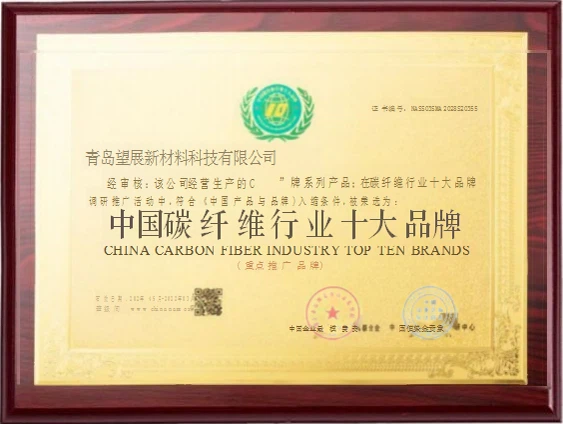
Our Certificates
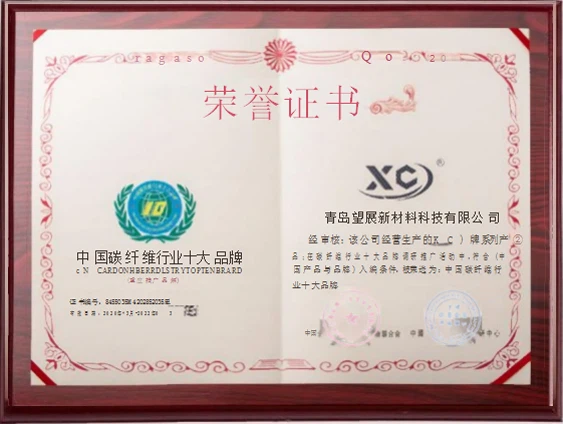
Passed ISO9001 certification and won the top ten brands in China's carbon fiber industry!





Asked Questions
Hot Tags: bulletproof helmet, China bulletproof helmet manufacturers, suppliers, factory, carbon fiber, Self Leveling Epoxy for Concrete, Carbon Fiber Angle, prepreg equipment, Pan Fiber, carbon fiber bicycle parts