


What is Carbon Fiber Mesh
Carbon fiber mesh is a new type of reinforcement material that has been gradually applied to structural reinforcement in recent years. It is woven using a special weaving process and has undergone multiple coating technology treatments.
Benefits of Carbon Fiber Mesh
Lightweight
One of the most significant carbon fiber mesh benefits is that it's a lightweight material. Compared to steel, carbon fiber mesh is five times lighter and twice as light in contrast to aluminum. The lightweight nature of carbon fiber mesh is an advantage for many reasons-the chief of which is lower energy production.
Also, in cars comprised of carbon fiber mesh composites, the weight could be reduced by nearly 50%. This weight reduction could improve fuel efficiency, ultimately saving consumers money by almost 35% without sacrificing safety or performance.
Strong
They're also twice as stiff. The tensile strength, or the ability to be stretched to the point of breaking without doing so, is much greater for carbon fiber mesh materials.
Its strength makes carbon fiber mesh ideal for use in manufacturing parts and aircraft materials. The amount of flexibility and strength that carbon fiber mesh offers is a perfect match for military aircraft and commercial airlines.
Resistant
Carbon fiber meshs, unlike other metals, are resistant to elements and chemical corrosion. They're not susceptible to the same rust or chemical reactions that other metals would be. As a result, oxidization is not an issue for carbon fiber meshs, which is good news for aircraft and other vehicles.
The increased use of carbon fiber meshs in vehicles means that only minor bodywork will be needed to repair rust and corrosion from weather or chemicals. Also, no longer will salt be a potential issue for the bottom of cars in snowy areas, nor will ocean mist be a concern on the coast.
Tolerant
Carbon fiber meshs are tolerant to heat, exhibiting low thermal expansion. Rather than expanding and weakening like other metals, carbon fiber meshs retain their shape and strength when exposed to heat. Carbon fiber mesh also has low thermal conductivity, which means it reduces heat soak in addition to reducing transmission. Metals can transfer or emanate heat causing other parts to be damaged, but not carbon fiber mesh.
Carbon fiber mesh is also tolerant to radiofrequency waves. Rather than being receptive to the waves like other metals are, carbon fiber meshs work to block any frequencies that would seek to break your data. Think of carbon fiber mesh as the blocker, whereas other metals act as a receptor.
Versatile
Versatility in production is also a prime advantage of carbon fiber mesh. As a result, carbon fiber mesh is found across multiple industries-it's not just for cars and aircraft. In addition, some manufacturers choose to use carbon fiber mesh as their material to showcase their flexibility in application.
Related Products
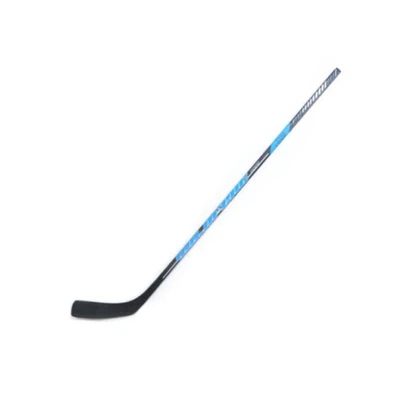
Ice hockey is a high-speed and powerful sport that requires equipment that not only has excellent performance, but also can withstand extreme sports intensity.
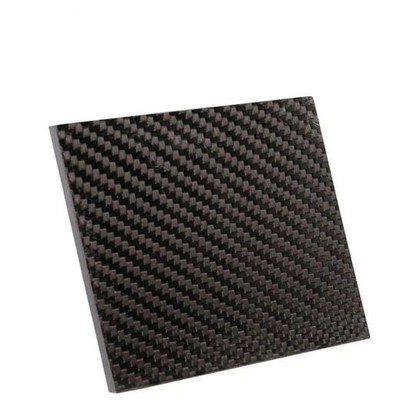
Carbon fiber sheet manufactured using 100% high strength carbon fiber reinforcement cured under pressure and temperature to produce a high-performance sheet suitable for fully structural applications whilst also having a class-A (cosmetic) finish on one side.
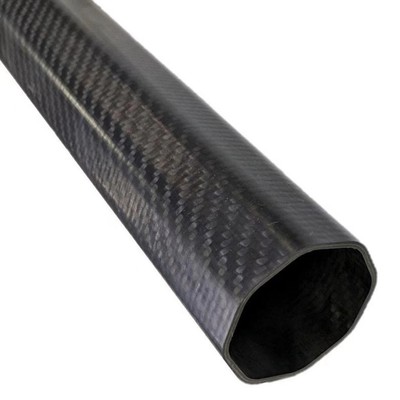
Carbon Fiber Octagonal Tubes are precision-crafted components made from high-grade carbon fiber, a material renowned for its exceptional strength-to-weight ratio and exceptional stiffness.
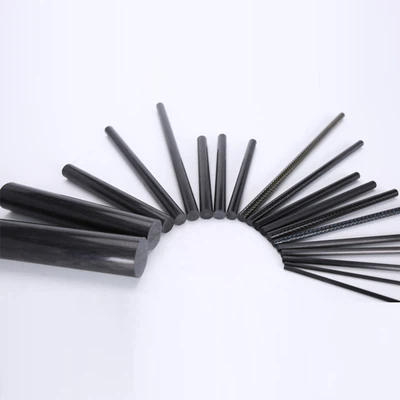
Carbon fiber sticks are very straight and hard, making them ideal building materials for frames, trusses, and reinforcement materials.
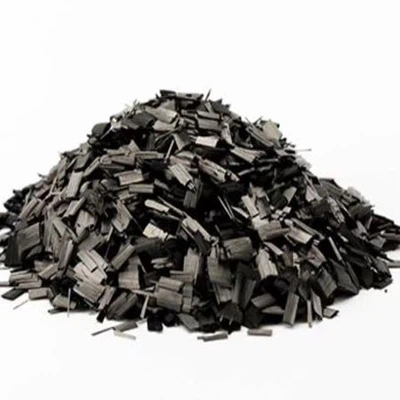
Chopped carbon fiber refers to the carbon fiber with high strength and high modulus, which is processed into bundles by bundler selected according to the purpose, and then cut into specified lengths.
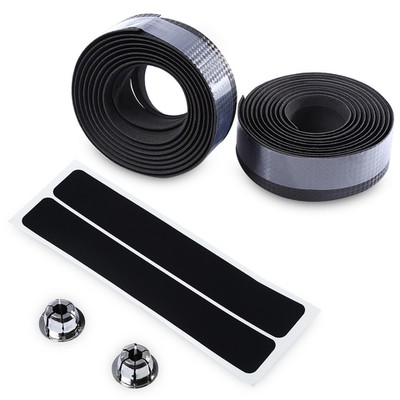
Carbon fiber Strip refers to a strip of material made of carbon fiber. Used for winding composite materials, extrusion stretching carbon Strip reinforced composite materials, heating elements, conductive materials, and semiconductor materials.
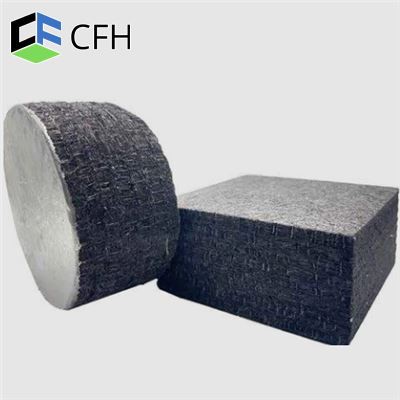
There are three main types of carbon fiber felt, namely polyacrylonitrile based carbon felt, adhesive based carbon felt, and asphalt based carbon felt.
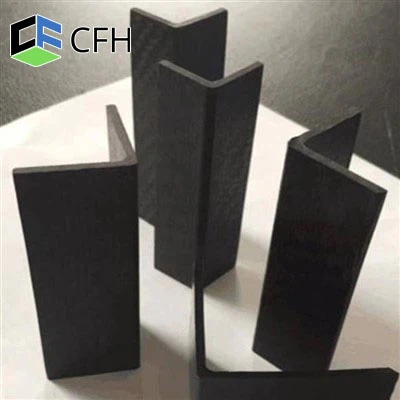
Enhanced Composites angles are manufactured from 100% carbon fiber using a combination of woven and multidirectional pre-preg fabric, to produce an attractive and extremely strong 90 degree angle.
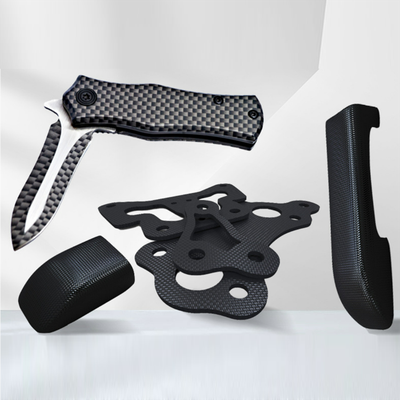
The high-quality carbon fiber panel is made of 100% high-strength carbon fiber reinforced material and epoxy resin, with a smooth, glossy, and beautiful carbon fiber finish on one side and a textured "peel off layer" finish on the back.
Why Choose us
Our Certificates
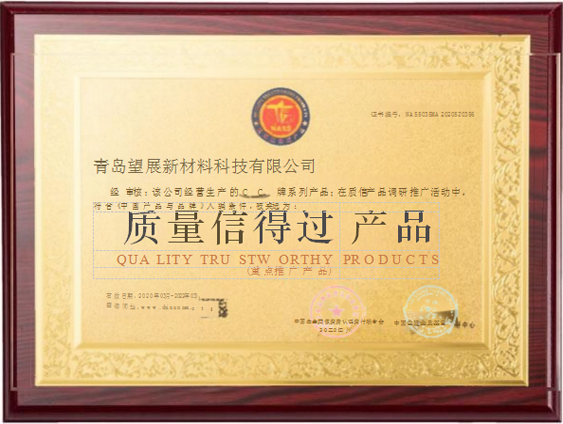
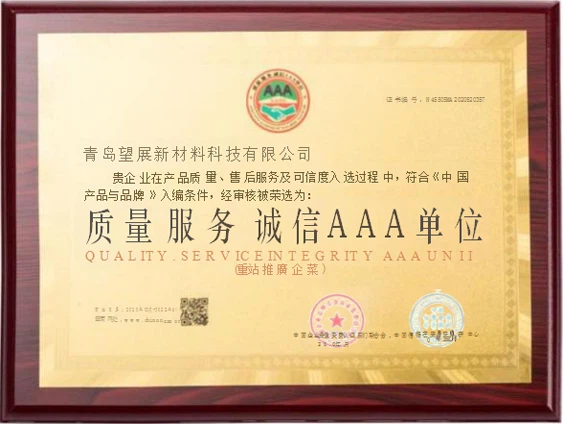
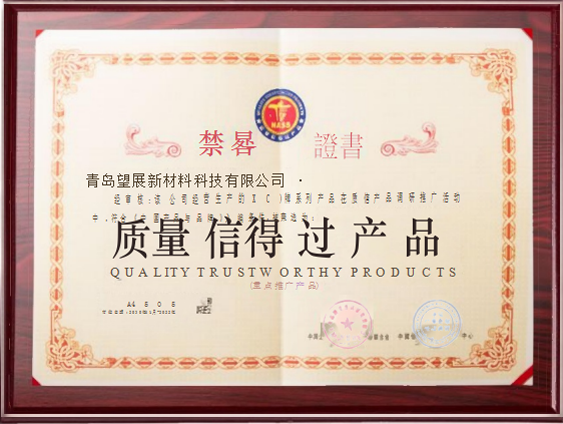
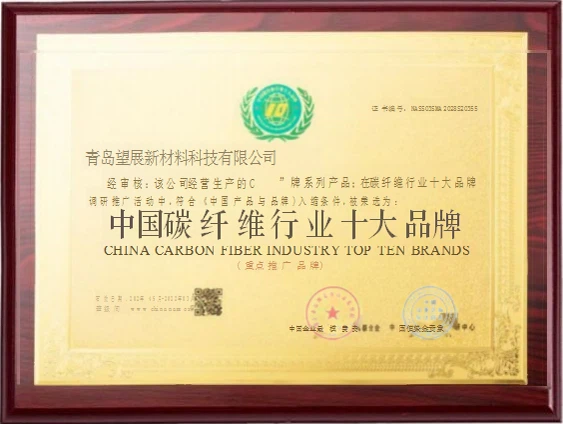
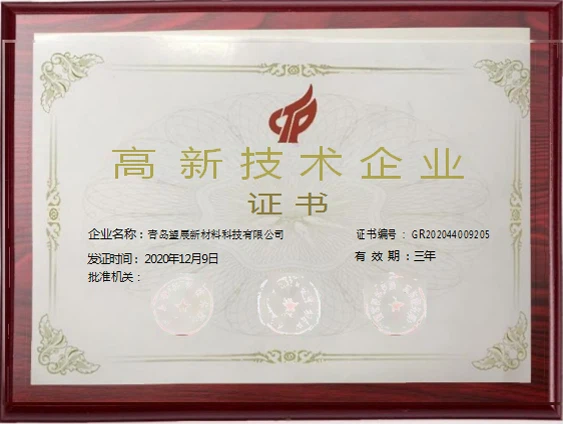
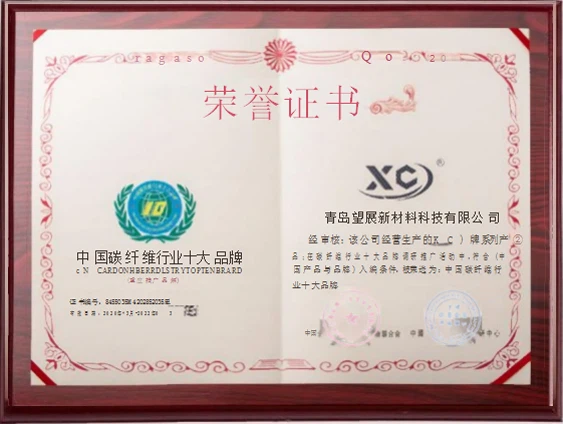
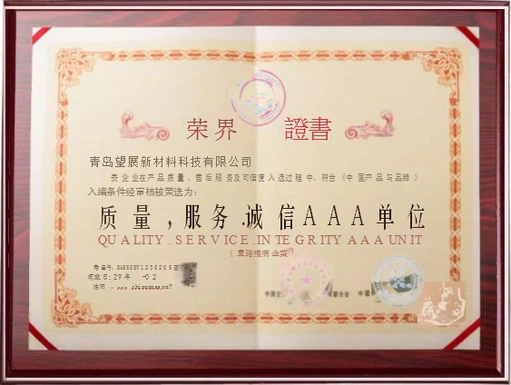
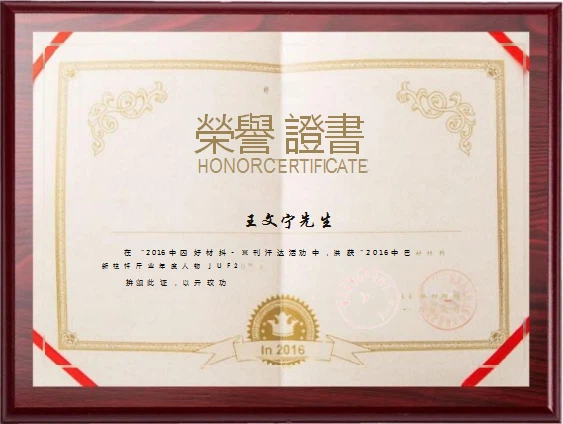
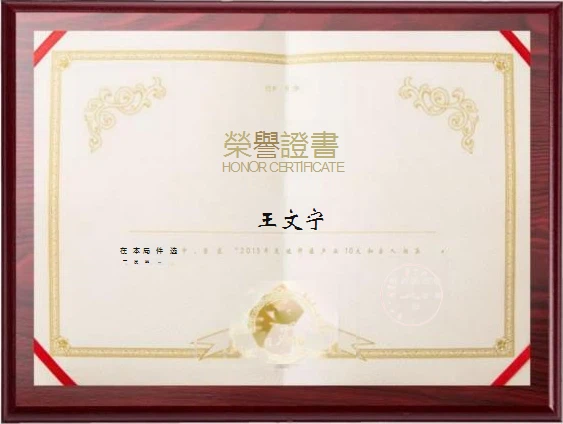
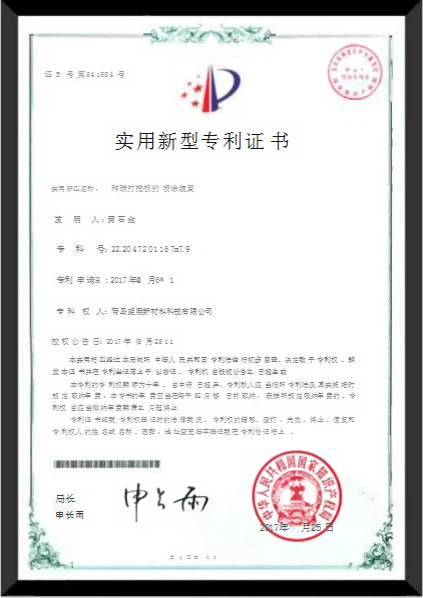
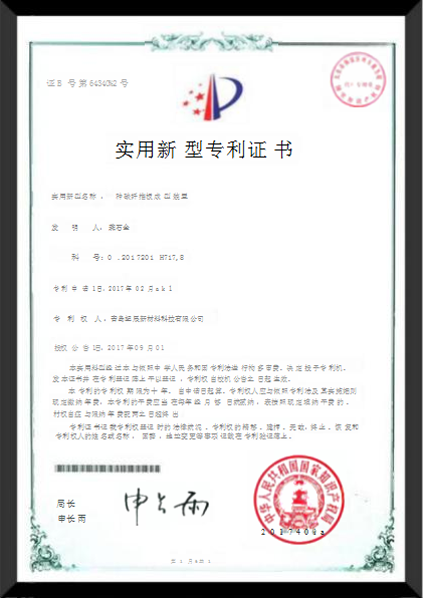
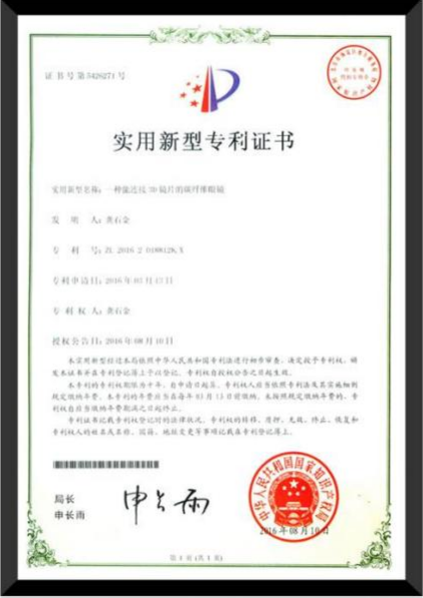
We have passed ISO 9001 management system and intellectual property management system certification. We have also been awarded the title of provincial high-tech enterprise and hold more than 50 patent certificates.
Partners
Currently, we cooperate with global industry-leading suppliers, including Toray from Japan, Mitsubishi from Japan, Hexcel from the United States, Zhongfu Shenying from China, Weihai Guangwei, Cathay Pacific, DuPont from the United States, Jushi from China, Sinoma Technology, Micron from the United States, Kentian from the United States, FK from the United States, and Daiplatinum from Sweden.
Our Company
We are an innovative enterprise specializing in the deep processing of carbon fiber, aramid fiber, flat fabric, three-dimensional weaving, and special texture blending, as well as pre-impregnated and forged products. We also produce molded, hot-pressed, and extruded carbon fiber products.
Applications Of Carbon Fiber Mesh
Carbon fiber mesh fabric is widely used in tunnel reinforcement, bridge reinforcement, industrial and civil construction reinforcement, water conservancy reinforcement (soft foundation reinforcement of dams), municipal reinforcement (soft foundation reinforcement of roads) and other fields. It can be used for the reinforcement of soft soil foundations such as railways, airports, irrigation canals, etc. The application range of carbon fiber mesh is also gradually expand. Carbon fiber mesh is a non-magnetic material and is very suitable for use in structures with high environmental magnetic requirements such as hospitals, laboratories, and observation stations. In coastal areas, carbon fiber mesh can also be used instead of steel bars to solve the problem of steel bar corrosion.
Carbon fiber mesh is widely used in bending reinforcement, shear reinforcement, seismic reinforcement, crack control reinforcement, axial compression reinforcement, and is used for bending and shear reinforcement of concrete structures. It is also widely used for earthquake protection of various industrial and civil building structures. Anti-cracking and anti-corrosion reinforcement, reinforcement of tunnels, harbor facilities, chimneys, warehouses, and factories.
Carbon fiber mesh fabric can also be used for: acid and alkali resistance, axial compression reinforcement, crack control reinforcement, etc. It has good crack resistance and reinforcement. Carbon fiber is an inert material with corrosion resistance and good durability. The polymer mortar can be used to repair the original structure. steel bars to protect high bonding strength, suitable for seismic reinforcement of various buildings, stable performance in self-adhesion and mutual adhesion of steel plates and concrete, acid and alkali resistance, fast construction speed in large areas, strong bonding force, aging resistance, resistant to media acid, alkali, water, good performance.
How To Select The Ideal Carbon Fiber Mesh?
Mesh Size And Wire Diameter
The mesh size and wire diameter are crucial factors that determine the functionality of the wire mesh. Mesh size refers to the number of openings per linear inch in the mesh, while wire diameter indicates the thickness of the individual wires. The right combination of mesh size and wire diameter depends on the intended application. For instance, smaller mesh sizes and thicker wire diameters are suitable for heavy-duty applications that require higher strength and durability.
Material Grade
Carbon Fiber Meshes come in different material grades, each with varying properties that make them suitable for specific environments. The two common material grades are low carbon steel and high-carbon steel. Low carbon steel meshes are ideal for applications that require moderate strength and good corrosion resistance, such as general filtration and sieving. High-carbon steel meshes, on the other hand, offer greater strength and are suitable for applications that involve heavy loads and abrasive materials.
Weave Type
The weave type of Carbon Fiber Mesh affects its strength, durability, and filtration capabilities. Common weave types include plain weave, twill weave, and Dutch weave. Plain weave is the simplest and most common weave type, offering equal strength in both directions. Twill weave provides greater strength in one direction and is suitable for applications that require extra stability. Dutch weave has a higher mesh count in one direction, making it excellent for fine filtration purposes.
Open Area And Flow Rate
Open area refers to the proportion of open space in the wire mesh, while the flow rate is the amount of fluid or air that can pass through the mesh. These factors are crucial in applications such as filtration, where the efficiency of the mesh depends on its ability to allow passage while retaining particles. A higher open area and flow rate are desirable in situations where quick filtration or efficient ventilation is necessary.
Corrosion Resistance
Considering the environment in which the Carbon Fiber Mesh will be used is essential to determine its required level of corrosion resistance. Carbon steel is susceptible to corrosion, especially in humid or corrosive environments. In such cases, it's recommended to opt for a wire mesh with a protective coating, such as galvanization, to enhance its longevity and performance.
Application-Specific Considerations
Every industry and application has unique requirements, and selecting the ideal Carbon Fiber Mesh requires a thorough understanding of these demands. Whether it's for sifting, filtering, security, or reinforcement, the mesh must be tailored to meet the specific needs of the project. Consult with experts or suppliers who can guide you in selecting the right mesh type, size, and specifications based on your intended application.
What Type Of Carbon Fiber Mesh Should I Use?

Unidirectional
A unidirectional weave pattern contains fibers that all run in the lengthwise direction of the cloth. There are no fibers placed in the widthwise direction. Fiber bundles in unidirectional cloth are held together with fine string or glue filaments. Unidirectional weaves provide exceptional strength in the lengthwise (warp) direction but virtually no strength in the widthwise (fill) direction because there are no fibers in the width direction to support loads. Unidirectional cloth is commonly placed in a mold with multiple cloth layers oriented at different angles to create a laminate capable of carrying loads in multiple directions.
This weave type works well for adding localized reinforcement in parts requiring additional strength and stiffness while avoiding adding extra layers of fabric across the entire part. Wing skins and wing spars often incorporate layers of unidirectional cloth with the fibers aligned in the wingspan direction to support the bending loads generated from lift forces on the wing. Unidirectional weaves often do not conform well to compound curves or tight corners that run perpendicular to the axis of the fibers as they can wrinkle or bunch up around these types of geometries.

Plain
Plain weaves are one of the most common weave patterns. A plain weave consists of a 1x1 pattern where each warp strand alternately passes over and then under each fill strand. Because there are fiber bundles running both lengthwise and widthwise, plain weaves can generate strength in two perpendicular directions, unlike unidirectional cloth, which is only strong in the length direction. The over and under path of the fiber bundles creates a stable weave pattern, but this can also slightly reduce the overall strength of the cloth because the fiber bundles deviate from running perfectly straight. This weave works well for flat or nearly flat parts with limited contours. Plain weaves do not drape well without distorting or wrinkling. This weave can be found in flat airframe ribs and bulkheads as well as airframe skins with limited curvature.

Twill
A twill weave is similar to a plain weave in that each warp strand passes over and under the fill strands. However, each warp strand will pass over or under more than one fill strand at a time. The over and under pattern is staggered, which creates a series of distinct diagonal lines in the cloth. One of the most common twill weaves is the 2x2 twill where each warp strand passes under two fill strands and then back over two fill strands. Another common twill weave is the 4x4 twill where each warp strand passes over and under four fill strands. The main advantage of twill weaves over plain weaves is that they are easier to drape and conform to complex contours. They are less stable than plain weaves, so care must be taken when handling them to control the distortion of the weave pattern. Twill weaves work well for forming three-dimensional, contoured parts like cowlings, wheel fairings, and wing tips.
How To Install Carbon Fiber Mesh Onto Concrete
1.Surface preparing
Remove the coating of concrete surface with grinder. Polishing the surface. If there is angular, grander it into round.
2.Setting out
Get the concrete surface clean and keep it dry, then set out.
3.Apply primer
Apply primer adhesive onto the surface of the concrete.
4.Apply putty/leveling
Apply putty for repairing and leveling if needed.
5.Fabric cutting
Cut carbon fiber mesh into sizes as designed.
6.Preparing impregnation adhesive
Weight and mixing adhesive according to the ratio. Stirring the adhesive until the color is even, avoid air bubble in this process. Apply impregnation adhesive when primer adhesive is touch dry.
7.Apply the carbon fiber mesh
Apply the carbon fiber mesh onto the concrete surface as designed. Leveling the surface from one end to another. Apply impregnation carbon fiber adhesive again.
8.Check gap or bubbles
Make sure the adhesive impregnate fully into the fabric, the surface flat and no air bubble. Repeat above process from cutting carbon fiber if applying two or more layers.
Company Introduction
Qingdao Wangzhan was established in 2012 and is a high-tech private enterprise leading the composite weaving industry.
We are an innovative enterprise specializing in the deep processing of carbon fiber, aramid fiber, flat fabric, three-dimensional weaving, and special texture blended, pre impregnated, and forged products, as well as molded, hot pressed, and extruded carbon fiber products.
Our company adheres to the business philosophy of "providing customers with the best technology and process solutions with first-class products and high-quality services". Currently, we cooperate with global industry leading suppliers including Toray from Japan, Mitsubishi from Japan, Hexcel from the United States, Zhongfu Shenying from China, Weihai Guangwei, Cathay Pacific, DuPont from the United States, Jushi from China, Sinoma Technology, Micron from the United States, Kentian from the United States, FK from the United States, Daiplatinum from Sweden, Daikin from Japan, and U-PICA from Japan. Relying on the advanced technology and strong support of numerous excellent suppliers, we provide high-quality products, comprehensive services, and scientific solutions to our customers in various fields such as naval vessels, aerospace and military industry, automotive lightweighting, sanitary ware and bathroom, wind power and photovoltaic, sports equipment and electronic communication, medical equipment, and rail transit.
The factory covers an area of over 7000 square meters and has passed ISO9001 management system and intellectual property management system certification. It has also been awarded the title of provincial high-tech enterprise and has more than 50 patent certificates;

Our Certificates
Passed ISO9001 certification and won the top ten brands in China's carbon fiber industry!


Asked Questions
Hot Tags: carbon fiber mesh, China carbon fiber mesh manufacturers, suppliers, factory, Carbon Fiber Angle, Epoxy Resin Concrete Repair, Carbon Fiber Sleeve, Carbon Fiber Prepreg, Carbon Fiber Veil, Spread Tow Carbon Fiber