


What is Carbon Fiber Tube
Roll-wrapped prepreg carbon fiber tubes consists of multiple wraps of twill and/or unidirectional carbon fiber fabric. Roll-wrapped tubes work well for applications that need high bending stiffness combined with low weight.
Benefits of Carbon Fiber Tube
Weight reduction
One of the standout benefits is the lightweight nature of carbon fiber tubes. In industries like aerospace and automotive, saving weight means better fuel efficiency and performance.
High strength and durability
Despite being light, these tubes are incredibly strong and durable. They can handle heavy loads and harsh conditions, lasting longer than many traditional materials.
Corrosion resistance
Unlike metals, carbon fiber doesn't rust or corrode, making these tubes ideal for marine applications and environments with high moisture and chemicals.
Design flexibility
Carbon fiber tubes can be molded into various shapes and sizes, offering flexibility that's hard to match with other materials. This allows for innovative designs and customized solutions.
Thermal stability
Carbon fiber tubes maintain their strength and shape even in extreme temperatures, making them suitable for high-heat applications.
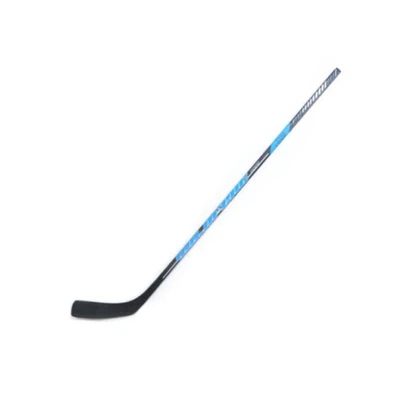
Ice hockey is a high-speed and powerful sport that requires equipment that not only has excellent performance, but also can withstand extreme sports intensity.
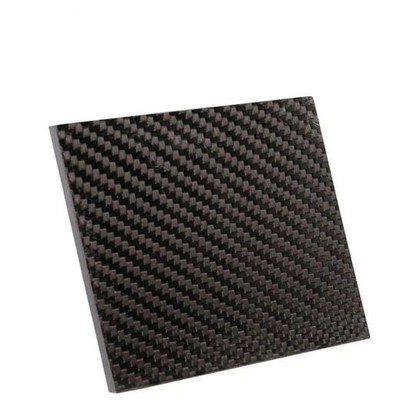
Carbon fiber sheet manufactured using 100% high strength carbon fiber reinforcement cured under pressure and temperature to produce a high-performance sheet suitable for fully structural applications whilst also having a class-A (cosmetic) finish on one side.
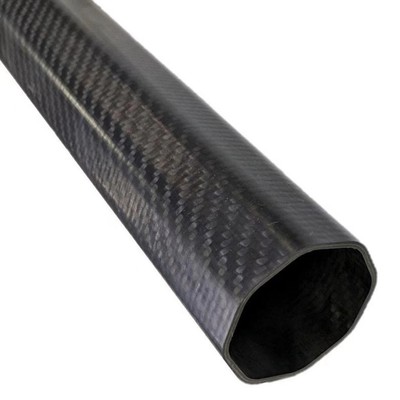
Carbon Fiber Octagonal Tubes are precision-crafted components made from high-grade carbon fiber, a material renowned for its exceptional strength-to-weight ratio and exceptional stiffness.
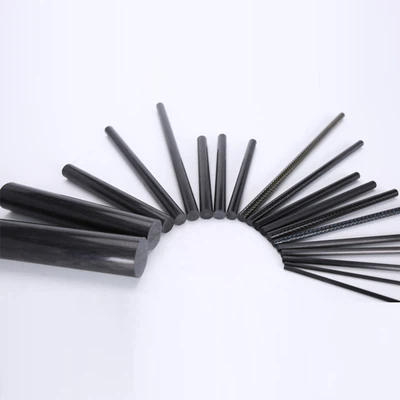
Carbon fiber sticks are very straight and hard, making them ideal building materials for frames, trusses, and reinforcement materials.
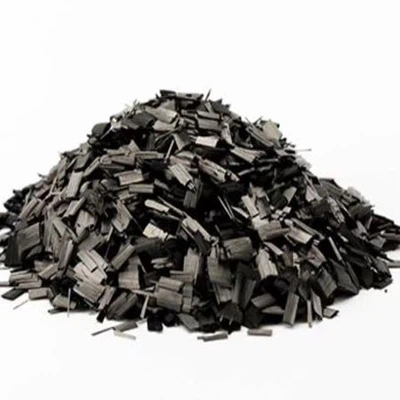
Chopped carbon fiber refers to the carbon fiber with high strength and high modulus, which is processed into bundles by bundler selected according to the purpose, and then cut into specified lengths.
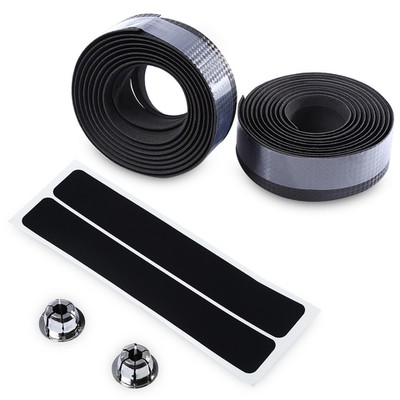
Carbon fiber Strip refers to a strip of material made of carbon fiber. Used for winding composite materials, extrusion stretching carbon Strip reinforced composite materials, heating elements, conductive materials, and semiconductor materials.
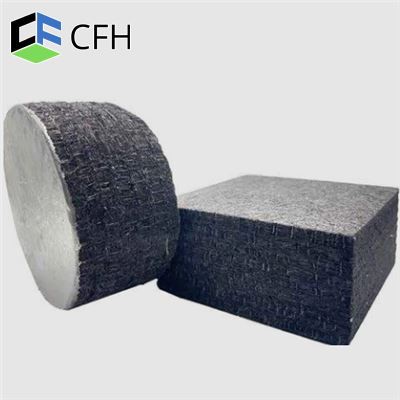
There are three main types of carbon fiber felt, namely polyacrylonitrile based carbon felt, adhesive based carbon felt, and asphalt based carbon felt.
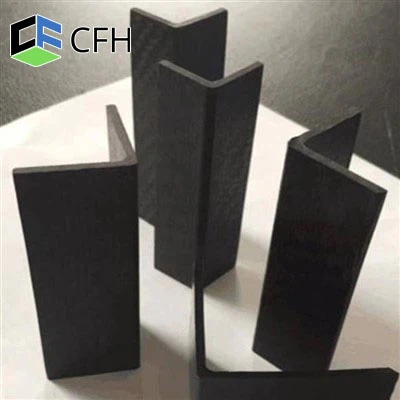
Enhanced Composites angles are manufactured from 100% carbon fiber using a combination of woven and multidirectional pre-preg fabric, to produce an attractive and extremely strong 90 degree angle.
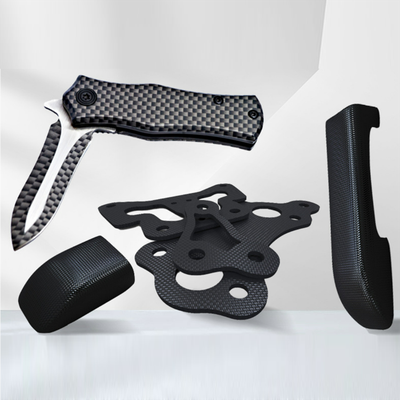
The high-quality carbon fiber panel is made of 100% high-strength carbon fiber reinforced material and epoxy resin, with a smooth, glossy, and beautiful carbon fiber finish on one side and a textured "peel off layer" finish on the back.
Why Choose Us
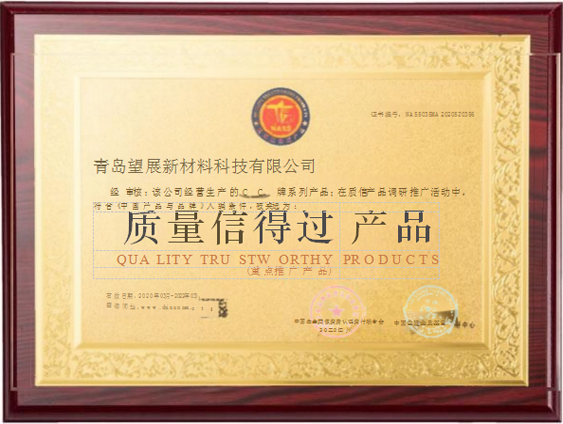
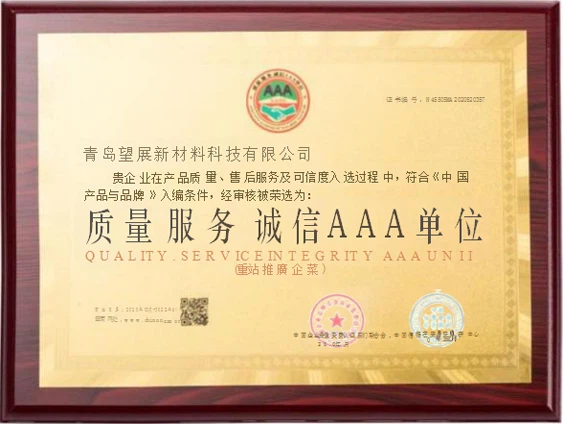
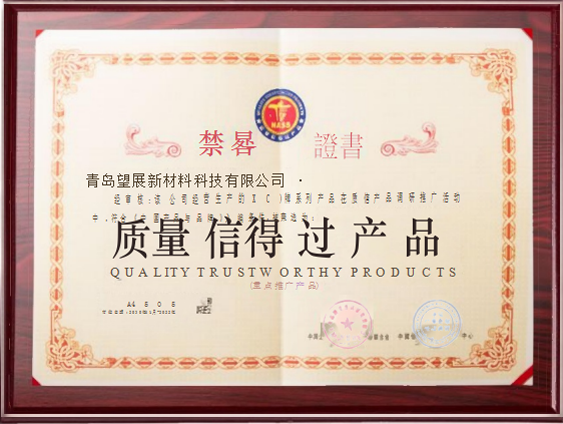
Our Certificates
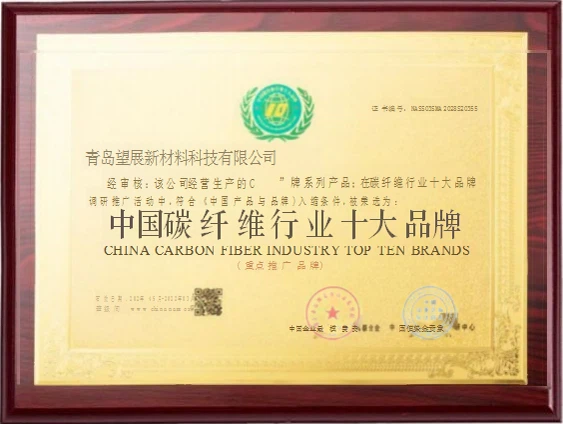
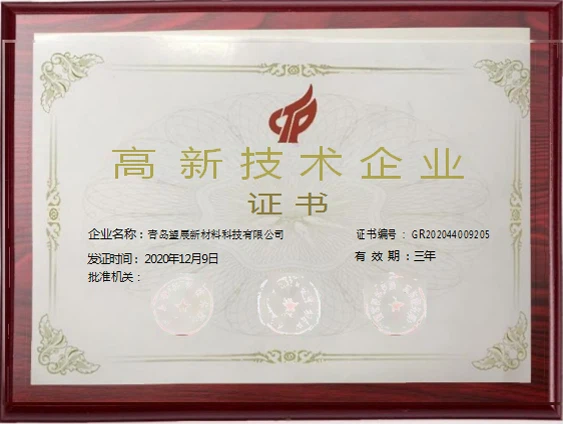
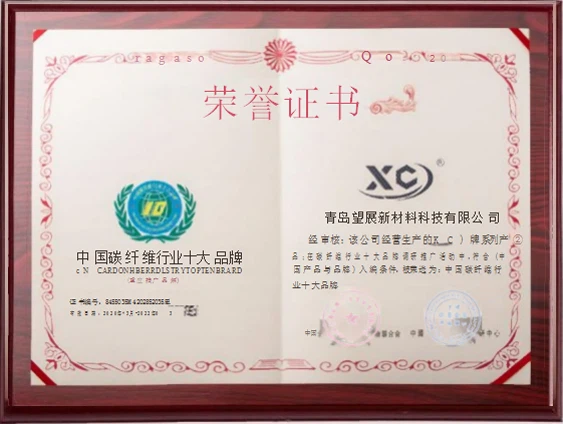
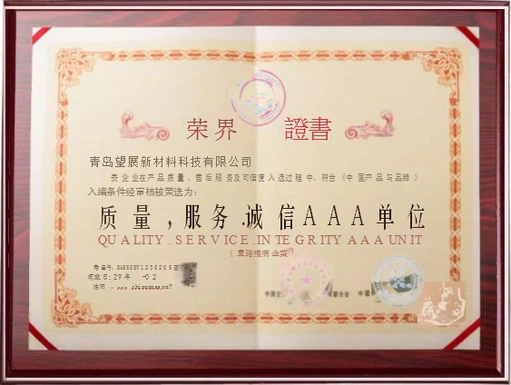
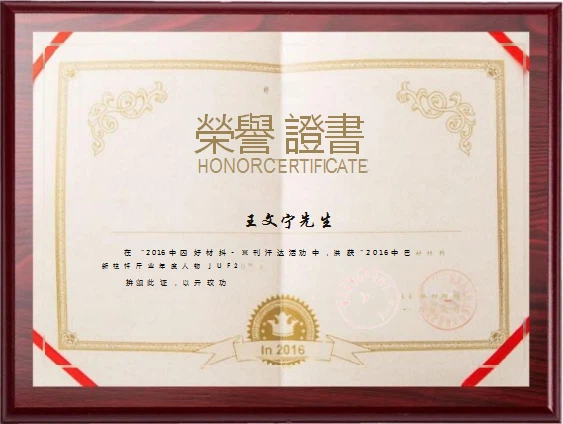
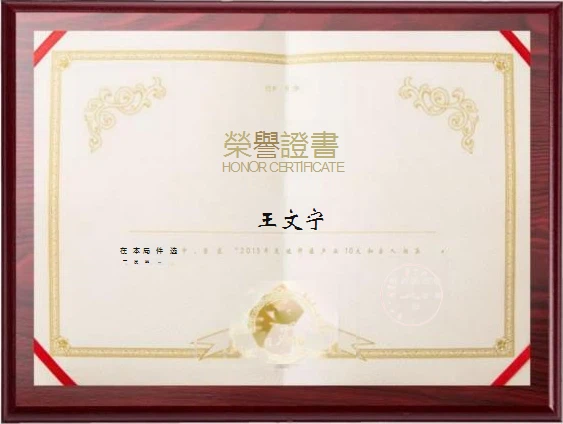
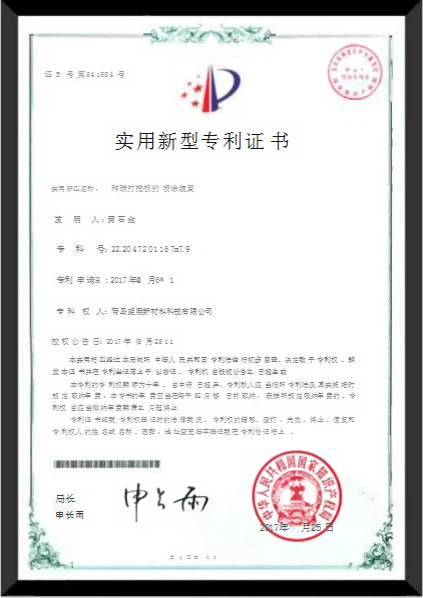
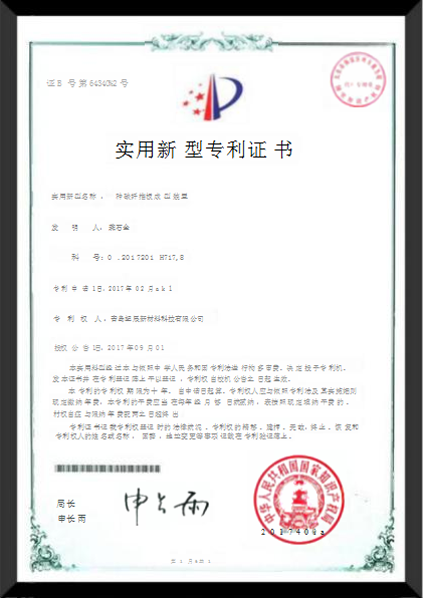
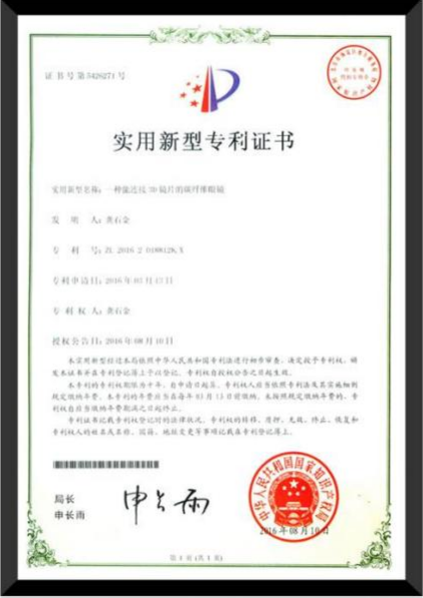
We have passed ISO 9001 management system and intellectual property management system certification. We have also been awarded the title of provincial high-tech enterprise and hold more than 50 patent certificates.
Partners
Currently, we cooperate with global industry-leading suppliers, including Toray from Japan, Mitsubishi from Japan, Hexcel from the United States, Zhongfu Shenying from China, Weihai Guangwei, Cathay Pacific, DuPont from the United States, Jushi from China, Sinoma Technology, Micron from the United States, Kentian from the United States, FK from the United States, and Daiplatinum from Sweden.
Our Company
We are an innovative enterprise specializing in the deep processing of carbon fiber, aramid fiber, flat fabric, three-dimensional weaving, and special texture blending, as well as pre-impregnated and forged products. We also produce molded, hot-pressed, and extruded carbon fiber products.
Different Types of Carbon Fiber Tubes

Carbon Fiber Roll-Wrapped Tubes
By rolling several layers of carbon fiber fabric around a mandrel, carbon fiber roll-wrapped tubes can be produced. Strength and stiffness are provided to the tube from both sides by the layers that run in different directions. The tube is subsequently cured after wrapping. Because the fibers are layered in multiple directions, carbon fiber roll-wrapped tubes are very strong and stiff. They can bear multidirectional forces; hence, they have high feasibility of application in strength-critical applications. These properties make roll-wrapped tubes suitable for most works carrying a bike frame, a camera rig, an aircraft part, etc. But carbon fiber roll-wrapped tubes are somewhat more complicated to manufacture than other sorts of carbon fiber tubes, which is why they are occasionally a little more costly.
Pultruded Carbon fiber tubes
Pultruded Carbon fiber tubes involve the passing of continuous strands of carbon fiber through a resin bath, then through a die (a mould that determines the shape of the tube). The fibers are in one direction, usually along the length of the tube, not as in woven fabric. Roll-wrapped Carbon fiber tubes are not only more difficult to manufacture but are also much more expensive to produce when compared to Pultruded tubes. Pultruded tubes can bear load only in one direction as all fibres run in the same direction; that is, they are suitable for beams / rods only. On the other hand, unlike carbon fiber roll-wrapped tubes, carbon fiber pultruded tubes are not very strong when forces come from other directions rather than along the length. This makes them less ideal for applications that need strength in all directions.

Challenges in Recycling Carbon Fiber Tubes
Despite their environmental benefits, recycling carbon fiber tubes presents several challenges. The primary issue is the difficulty in separating carbon fibers from the polymer matrix in which they are embedded. Traditional recycling methods, such as mechanical grinding, can degrade the fibers, reducing their quality and limiting their reuse in high-performance applications. Chemical and thermal recycling methods, which involve breaking down the matrix material to recover the fibers, can be costly and energy-intensive, further complicating the recycling process.
Mechanical recycling processes typically result in fibers that are shorter and less aligned, reducing their mechanical properties. These recycled fibers often exhibit tensile strengths reduced by up to 30% compared to virgin fibers. Chemical recycling methods, such as solvolysis and pyrolysis, can recover longer, higher-quality fibers, but these processes require temperatures ranging from 400°C to 700°C and can consume significant amounts of energy. The cost of chemical recycling can be between $4 and $8 per kilogram of recovered fiber, making it less economically attractive without advancements in efficiency and scalability.
Another challenge is the lack of standardized recycling processes and infrastructure for carbon fiber composites. While some progress has been made in developing recycling techniques, widespread adoption is hindered by economic and technical barriers. For instance, chemical recycling methods like solvolysis and pyrolysis require high temperatures and specialized equipment, making them less economically viable for large-scale operations. Additionally, the variability in the types of resins and fibers used in carbon fiber composites complicates the development of a one-size-fits-all recycling solution.
The carbon fiber industry is also grappling with the issue of waste generation during manufacturing. The production process generates significant amounts of scrap material, with some estimates suggesting that up to 30% of the total material used in carbon fiber manufacturing ends up as waste. Currently, there are limited options for recycling this scrap material, which often ends up in landfills. Addressing these challenges requires coordinated efforts across the industry to develop efficient, cost-effective recycling methods and establish a robust recycling infrastructure.
Major regions are beginning to implement policies to tackle these challenges. The European Union's Waste Framework Directive promotes recycling and reuse of composite materials, including carbon fiber, by setting specific targets and encouraging member states to develop recycling infrastructure. In the United States, the Environmental Protection Agency (EPA) is supporting research into advanced recycling technologies for composites through grants and partnerships with industry stakeholders.
Choosing the Right Carbon Fiber Tubes
Selecting the right carbon fiber tubes for your project involves considering several factors:
Load-Bearing Capacity
Determine the load the tube needs to bear to choose one with the appropriate strength and stiffness.
Environmental Conditions
Consider the conditions the tube will face, such as temperature, humidity, and exposure to chemicals, to choose the right type of resin and carbon fiber.
Tube Dimensions
Select the dimensions based on your space constraints and load requirements, including diameter, wall thickness, and length.
Manufacturing Process
Different processes, like filament winding or pultrusion, affect the tube' s properties. Choose a process that meets your project' s needs.
Carbon Fiber Tube Manufacturing Process
The manufacturing process of carbon fiber square tube roughly includes five steps:
Mold making
First of all, the mold is designed according to the square tube size required by the customer, including the tooling requirements after forming. In addition, a series of conditions of the carbon fiber square tube size should be considered, and the thickness of the reserved tolerance tube should be determined according to the need. In order to ensure dimensional accuracy, we should also pay attention to bending deformation. If the pipe size is large, we need to use high-strength steel mold.
Prepreg cutting
After the mold is designed, the carbon fiber prepreg needs to be cut according to the size, the unidirectional carbon fiber prepreg needs to be stacked at 0 and 90 degrees, and the laying method needs to be determined according to the stress of the carbon fiber products.
Blank forming
After the prepreg and mold are completed, the prepreg shall be filled. Put the carbon fiber prepreg layer by layer on the mold, and compact the prepreg to ensure that the resin flows inside after mold closing. The closer the interior of carbon fiber products, the better the performance of finished products. When installing the mold, it is also necessary to apply a release agent to facilitate demoulding.
Heating and solidifying
After the mold is completed, put the carbon fiber blank on the hot press, and complete the curing of the carbon fiber square tube under the action of temperature and pressure. During the manufacturing process, it is necessary to pay attention to the changes in forming temperature and time parameters. The manufacture of carbon fiber square tubes is closely related to temperature, pressure, and time. After molding, pressure and heat preservation should be maintained.
Demoulding
The carbon fiber square tube is taken out by the demoulding equipment. After demoulding, it is taken out and put into the molding machine. After demoulding, the mold needs to be cleaned before repeating the above steps.
Applications of Carbon Fiber Tubes
Aerospace Industry
Due to their high strength-to-weight ratio and thermal stability, carbon fiber tubes are widely used in the aerospace industry for components such as landing gear, wing spars, and engine parts.
01
Automotive Industry
In the automotive industry, carbon fiber tubes are used to create lightweight and durable chassis components, suspension systems, and body panels, leading to improved fuel efficiency and vehicle performance.
02
Sports Equipment
Carbon fiber tubes are extensively used in sports equipment manufacturing, including bicycle frames, golf club shafts, and fishing rods, providing enhanced strength and rigidity without adding excessive weight.
03
Marine Applications
Their corrosion resistance and high strength make carbon fiber tubes ideal for marine applications such as boat masts, rigging, and structural components.
04
Medical Devices
Carbon fiber tubes are also used in medical devices such as prosthetic limbs and orthopedic implants due to their strength, lightweight properties, and biocompatibility.
05
Carbon Fiber Round Tube Compare With Aluminum Tube
When comparing weight, the carbon fiber round tube is lighter than the aluminum tube, which is still rather light. When comparing tubes of the same diameter and wall thickness, a round tube made from carbon fiber may be around 30 percent lighter.
If you're looking for a tube with superior strength, go no further than a carbon fiber round tube. T300 grade carbon fiber round tube has a tensile strength of up to 3500 MPa, which is comparable to that of an aluminum tube.
Longevity: A phrase that covers a lot of ground. Carbon fiber round tubes are more long-lasting and have greater resilience to wear and tear due to their high resistance to acids and alkalis, as well as their resistance to impacts and creep.
In the event of bending, the carbon fiber round tube itself is brittle, meaning it will not bend under low pressure and will immediately collapse under high pressure, rendering the damage irreparable. The aluminum alloy pipe is easily deformed under pressure but may be straightened out again after being processed.
While carbon fiber is strong and lightweight, a circular tube's resistance to high temperatures is severely lacking. The spherical tube is made of epoxy carbon fiber, which can endure temperatures up to 150 degrees Celsius. In most cases, the circular tube made of thermoplastic carbon fiber won't become hotter than 250 degrees Celsius. Aluminum has a melting point of 660 degrees Celsius. Aluminum alloy has a lower melting point than this, but it will still be much higher than the carbon fiber round tube.
Carbon fiber and a resin matrix make up a carbon fiber round tube that expands and contracts with temperature. Carbon fiber has excellent creep resistance. Carbon fiber round tubes do not experience thermal expansion and cold contraction when a resin like epoxy resin functions correctly in a low-temperature environment. Because of the widespread issue of thermal expansion and cold contraction in metal materials, aluminum tube is not suitable for usage.
The carbon fiber round tube's shear resistance is substantially lower than that of aluminum tube because of its strong co-directivity and ordinary counter-directivity.
How To Safely Cut Carbon Fiber Tubing In Your Shop
Carbon Reinforced Plastic
The first thing to understand is what carbon fiber tubing actually is. A finished tubing product you purchase from us is essentially a carbon fiber plastic. The plastic component is an epoxy resin that has been cured. Carbon fiber embedded in the plastic provides reinforcement. Why does this matter?
Cutting carbon fiber tubes generates heat. Larger, denser tubes can generate enough heat to reactivate the epoxy resin. The end result is a slight melting of the plastic material that can gum up your saw. The best way to avoid this is to choose the right saw blade. You can also use a machining liquid to keep the saw blade cool.
Choose Your Blade Wisely
Fibers embedded within a piece of carbon tubing are still fibrous in nature. They haven't been altered by combining them with the epoxy. As such, your choice of saw blades is important. We recommend staying away from a toothed blade. Why? Because fibers can get caught on teeth. This could result in significant delamination which, ultimately, compromises the integrity of the tube. Splintering is also fairly common.
A diamond coated abrasive cut-off blade is your best bet. A segmented blade will also work, and it will not generate as much heat. Regardless of the blade you choose, pay attention to its wear. The more worn your blade, the less clean your cut.
As you cut, let the blade do the work. Go as slow as necessary to prevent forcing the blade through the material. A slow and steady approach will ensure a clean cut with very little risk of delamination. On the other hand, forcing the blade through could damage the tube to the point of making it unusable.
Secure the Tube Properly
Many a cutting job has gone awry because the fabricator did not properly secure the tube in question. It is important that you limit movement as much as possible. If tubes move even a slight amount, you will not get a clean cut. If they move too much, you risk delamination and burring.
We suggest bracing the tube against a hard edge and holding it in place with a series of clamps. If you are cutting off a small piece, no additional clamps are necessary. However, consider how you secure the tube if you're cutting a long piece into two even sections. It would be wise to secure and clamp both ends to ensure a clean cut.
Cleaning Up
Even the best fabricators do not get a perfectly clean cut every time. Sometimes you're left with burrs or an unusually rough edge. Not to worry. You can clean up with medium grit sandpaper using a grinder or spinning the tube on a lathe.
We carry a variety of carbon fiber tubing products in different shapes and sizes. Contact us to learn more about our unidirectional and multidirectional tubes suitable for commercial and home use. We would be happy to explain the benefits of carbon fiber over steel, aluminum, and titanium.
Our Factory
Qingdao Wangzhan was established in 2012 and is a high-tech private enterprise leading the composite weaving industry.
We are an innovative enterprise specializing in the deep processing of carbon fiber, aramid fiber, flat fabric, three-dimensional weaving, and special texture blended, pre impregnated, and forged products, as well as molded, hot pressed, and extruded carbon fiber products. Our company adheres to the business philosophy of "providing customers with the best technology and process solutions with first-class products and high-quality services". Currently, we cooperate with global industry leading suppliers including Toray from Japan, Mitsubishi from Japan, Hexcel from the United States, Zhongfu Shenying from China, Weihai Guangwei, Cathay Pacific, DuPont from the United States, Jushi from China, Sinoma Technology, Micron from the United States, Kentian from the United States, FK from the United States, Daiplatinum from Sweden, Daikin from Japan, and U-PICA from Japan.
The factory covers an area of over 7000 square meters and has passed ISO9001 management system and intellectual property management system certification. It has also been awarded the title of provincial high-tech enterprise and has more than 50 patent certificates;

Certifications
FAQ
Hot Tags: carbon fiber tube, China carbon fiber tube manufacturers, suppliers, factory, carbon fiber product, flexible carbon fiber product, Carbon Fiber Wheelchair, Hot Melt Glue Solvent, Hybrid Fabric, Carbon Fiber Mesh