


What is PVC Foam Core
PVC foam core is positioned as a cost-effective, lightweight alternative to the denser pipe materials of tradition. Manufactured to ASTM F891, this product features a foamed PVC core encased by thin, solid PVC layers.
Benefits of PVC Foam Core
Effective insulation
Firstly, PVC foam core has excellent insulation properties, making it a popular choice in the HVAC and construction industry or any application where good insulation is essential. It also possesses sound-absorbing and sound-insulating qualities, making it effective for noise reduction. This feature is particularly beneficial in the construction industry or for industrial machinery where noise needs to be minimized.
Suitable for sealing and vibration damping
PVC foam core is ideal for various applications, including vibration damping in vehicles, machinery, and similar uses.
Elastic and flexible material
Unlike PVC in other forms, foam is the optimal choice if you require a flexible material.
Weather and chemical resistance
PVC foam core exhibits good resistance to weather conditions, wind, and chemicals, enhancing its versatility across many industries. It is also cold-resistant and prevents drafts in the respective space.
Available in various variations
PVC foam core is a versatile material, allowing for different forms and shapes. It is commonly supplied as sealing strips but can also be delivered as die-cut gaskets.
PVC foam core can be used in multiple types of applications and is available with or without an adhesive surface. To achieve optimal sealing capability, the foam requires 30% compression.
Related Products

Aramid honeycomb is a honeycomb structure made of aramid fibers. Aramid fiber is a type of high-performance synthetic fiber known for its excellent strength, heat resistance, and wear resistance.

PVC foam core has good specific stiffness and specific strength. The compression, tensile, shear, and bending strength are all very good.

Industrial grade PMI foam is a high-performance composite foam core material, which has three types of fine pores, coarse pores and ultra-fine pores.
Why Choose us
Our Certificates
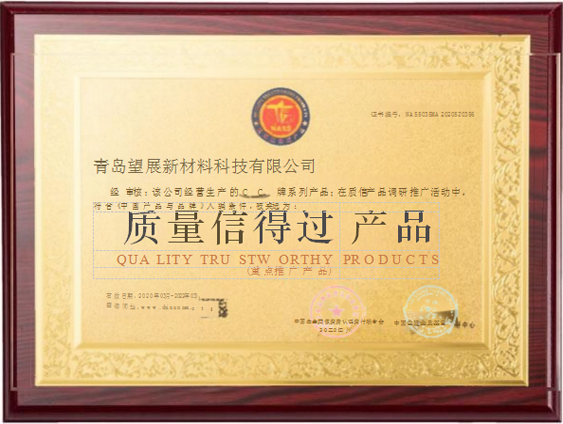
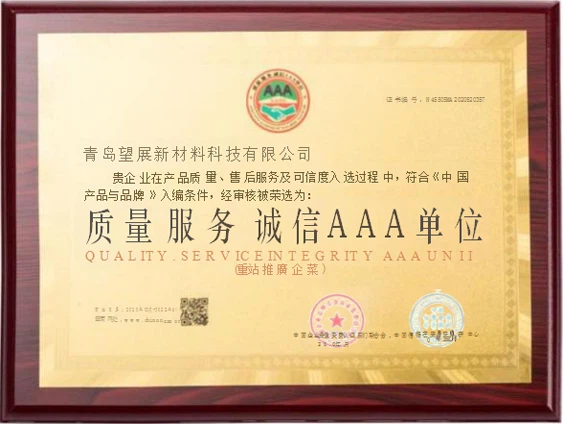
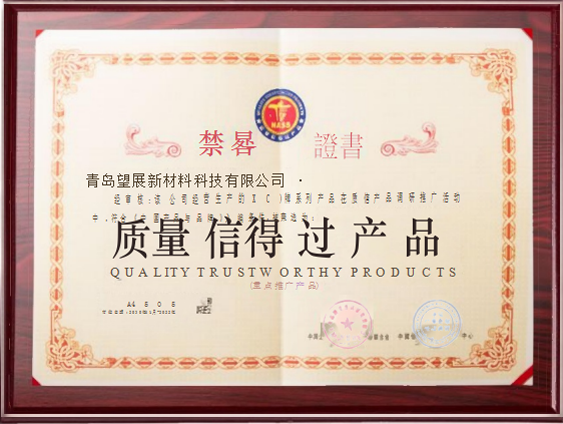
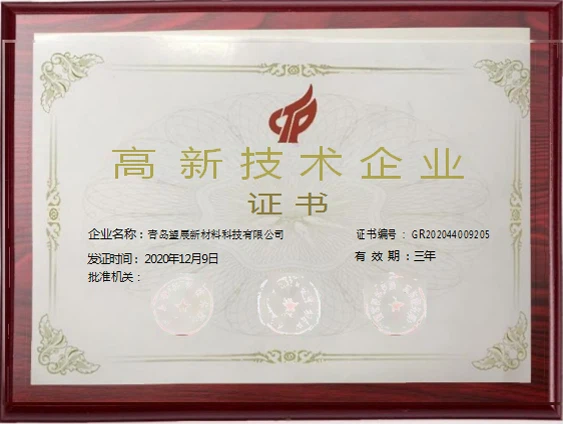
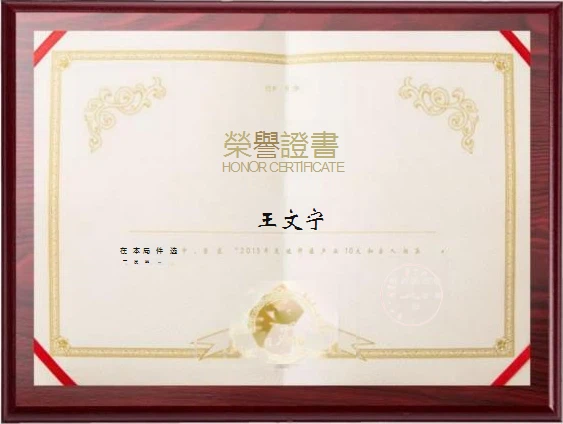
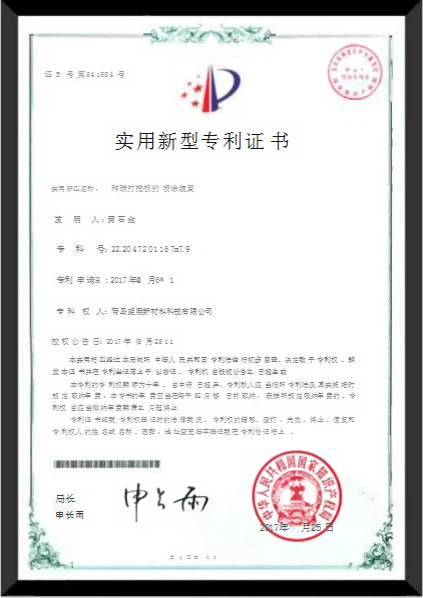
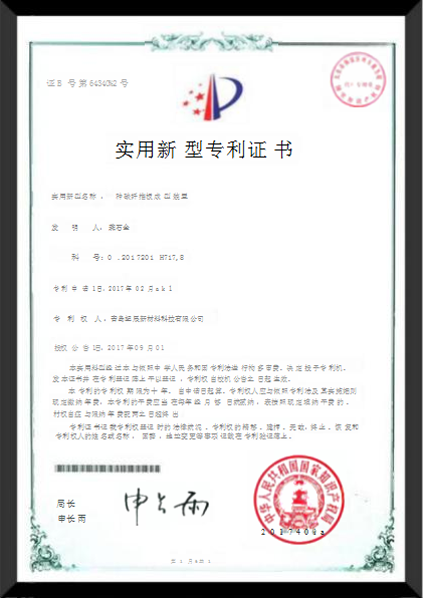
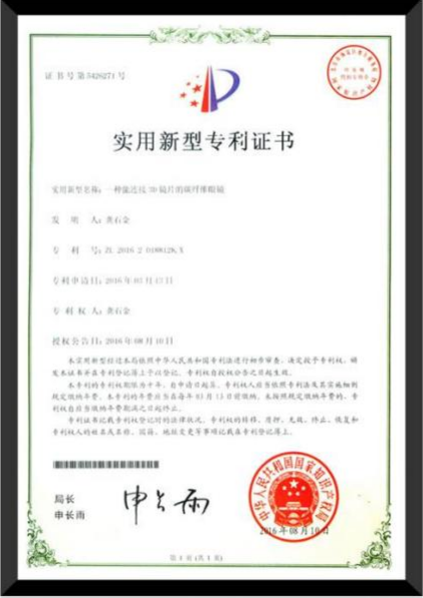
We have passed ISO 9001 management system and intellectual property management system certification. We have also been awarded the title of provincial high-tech enterprise and hold more than 50 patent certificates.
Partners
Currently, we cooperate with global industry-leading suppliers, including Toray from Japan, Mitsubishi from Japan, Hexcel from the United States, Zhongfu Shenying from China, Weihai Guangwei, Cathay Pacific, DuPont from the United States, Jushi from China, Sinoma Technology, Micron from the United States, Kentian from the United States, FK from the United States, and Daiplatinum from Sweden.
Our Company
We are an innovative enterprise specializing in the deep processing of carbon fiber, aramid fiber, flat fabric, three-dimensional weaving, and special texture blending, as well as pre-impregnated and forged products. We also produce molded, hot-pressed, and extruded carbon fiber products.
Application of PVC Foam Core
Signage: Small or large, directional or for safety, temporary or long-term - PVC foam core is perfect for all kinds of signage throughout offices and work spaces. The boards are easy to mount on walls or from ceilings, ensuring that they're visible from a distance.
Routed display: Looking for a custom shape? With PVC foam core, you can transform your boards into any silhouette you'd like. Simply choose your design and we can have the board routed to the right shape.
Poster boards: If you want to wow the audience at your next big meeting, poster boards with discussion graphics and figures are a great resource. You can also create display boards for events, open houses, conferences or any other location where you can show off information. And rather than paste things to a plain board, you can have the entire design printed, and add depth to your design by layering smaller graphics over the larger foam board.
Graphics: At trade shows and conferences, having large-scale graphics is essential to catching the attention of visitors. You can use PVC foam core to create logo panels, advertisement signs to draw in potential clients, show product statistics with colorful images or decorations for your space with pictures.
Decorative images: Even if you just want to print beautiful pictures on poster board and make a decorative wall arrangement, PVC foam core will give your design some originality and dimension. Your sign will stand out from the wall and attract the eye of customers and employees alike. You can affix them to the wall in several different ways, so you can choose if they stay there long-term or if you want to switch them out or reorganize from time to time.
Architectural models: If you want to get three-dimensional, remember that PVC foam core is sturdy enough to make structural models and other diorama models, which could come in handy for product or service demos.
The Difference Between Xpe/Ixpe Foam And PVC Foam Core
What is XPE foam material?
Cross-linked polyethylene foam (XPE foam) is a type of closed-cell foam material that is made from polyethylene. It is created by cross-linking the polymer chains of polyethylene, which results in a foam material with a more durable, closed-cell structure.
What is PVC foam core?
PVC foam core, English name Polyvinyl Chloride Foam, is a foam material made of PVC (polyvinyl chloride).
Which is better, PVC foam core or XPE foam?
Cross-linked polyethylene foam (XPE foam) and polyvinyl chloride foam (PVC foam core) are both types of closed-cell foam materials used for a variety of applications. However, there are some differences between these two types of foam materials:
Composition: XPE foam is made from polyethylene, while PVC foam core is made from polyvinyl chloride. Polyethylene is a type of thermoplastic material, while polyvinyl chloride is a thermoplastic polymer.
Density: XPE foam is generally denser than PVC foam core, which makes it more durable and resistant to wear and tear. PVC foam core is typically softer and less durable.
Chemical Resistance: XPE foam is resistant to most chemicals, including oils, fuels, and solvents, while PVC foam core is less resistant to some chemicals and may break down over time.
Heat Resistance: XPE foam is more resistant to heat than PVC foam core, which makes it suitable for use in high-temperature applications.
Water Resistance: XPE foam is resistant to water and moisture, while PVC foam core can absorb water over time.
Cost: XPE foam is typically more expensive than PVC foam core due to its superior properties and higher production costs.
In terms of applications, XPE foam is often used in construction, automotive, and marine industries for insulation and cushioning purposes. It can also be found in sports equipment, packaging materials, and medical devices. PVC foam core is commonly used in the sign and display industry, as well as for cushioning in furniture and upholstery applications.
In terms of processing, XPE foam is typically produced using a chemical cross-linking process that creates a more durable, closed-cell foam structure. PVC foam core is produced through a foaming process that introduces gas bubbles into the material to create a foam structure.
Overall, the choice between XPE foam and PVC foam core will depend on the specific requirements of the application. XPE foam is generally preferred for high-performance applications that require superior durability, chemical resistance, and heat resistance, while PVC foam core is a more affordable option for applications that do not require such high-performance properties.
PVC Foam Cores Selection Guide
PVC foam cores Information
PVC foam cores and PVC foam core materials are low density, high porosity materials used between structural skins to form a cored laminate with increased stiffness. Industrial foams consist of low density elastomers, plastics, or other materials with internal open or closed porosity.
Specifications
Cores may be made from closed cellular, open cellular, rigid, or syntactic foam types. Closed cellular PVC foam cores have pores or cells that are not interconnected and that are sealed off to an external surface. These foams are useful for buoyancy and flotation applications. Open cellular PVC foam cores feature cells that are interconnected and open to an external surface. Open cell PVC foam cores are useful for filtration applications. PVC foam cores may also be made from rigid foam materials that offer little-to-no flexibility. They may also be composed of syntactic foams that consist of rigid microspheres that are held together by plastic or resin matrix.
There are also many options for PVC foam core polymer/chemical systems, including ethylene copolymer, expanded polystyrene, expanded polyethylene, polyester, polyether, polyimide, polyolefin, polypropylene, phenolic resin, polyisocyanates, polyurethane, vinyl or PVC, and other speciality compositions. PVC foam cores may also be filled for reinforcement, thermoset/crosslinked, or undergo thermoplastic softening and hardening. Other materials and options may also be available for PVC foam cores.
Applications
PVC foam cores are commonly available in many forms, including casting resins, fabricated shapes, foam sprays, molding resin, boards or blocks, films or sheets, rods or bar stock, and more. The variety of available forms makes PVC foam cores useful in many applications. Common applications for PVC foam cores include:
● Sound proofing insulation materials
● Buoyancy applications
● Electromagnetic interference (EMI) or radio frequency interference (RFI) shielding
● Energy or impact absorption
● Filtration applications
● Static control or electrostatic discharge (ESD) protection
● Shock or vibration dampening
● Structural or composite applications
● Features
PVC foam cores are typically available with additional features like providing chemical or fuel resistance, electrical insulation, being electrically conductive, flame retardancy, integral skin, thermal insulation, waterproof, or weather and ultraviolet (UV) resistance.
Company Introduction
Qingdao Wangzhan was established in 2012 and is a high-tech private enterprise leading the composite weaving industry.
We are an innovative enterprise specializing in the deep processing of carbon fiber, aramid fiber, flat fabric, three-dimensional weaving, and special texture blended, pre impregnated, and forged products, as well as molded, hot pressed, and extruded carbon fiber products.
Our company adheres to the business philosophy of "providing customers with the best technology and process solutions with first-class products and high-quality services". Currently, we cooperate with global industry leading suppliers including Toray from Japan, Mitsubishi from Japan, Hexcel from the United States, Zhongfu Shenying from China, Weihai Guangwei, Cathay Pacific, DuPont from the United States, Jushi from China, Sinoma Technology, Micron from the United States, Kentian from the United States, FK from the United States, Daiplatinum from Sweden, Daikin from Japan, and U-PICA from Japan. Relying on the advanced technology and strong support of numerous excellent suppliers, we provide high-quality products, comprehensive services, and scientific solutions to our customers in various fields such as naval vessels, aerospace and military industry, automotive lightweighting, sanitary ware and bathroom, wind power and photovoltaic, sports equipment and electronic communication, medical equipment, and rail transit.
The factory covers an area of over 7000 square meters and has passed ISO9001 management system and intellectual property management system certification. It has also been awarded the title of provincial high-tech enterprise and has more than 50 patent certificates;

Our Certificates
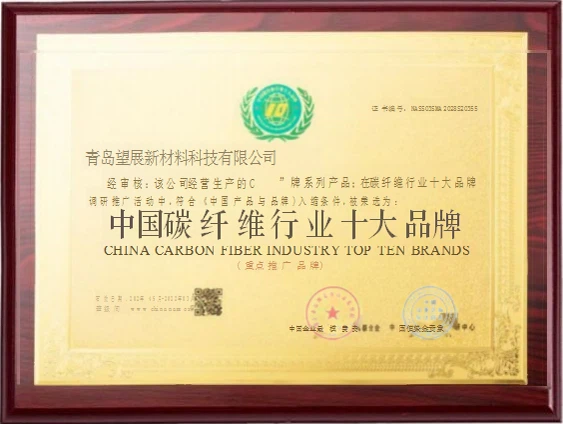
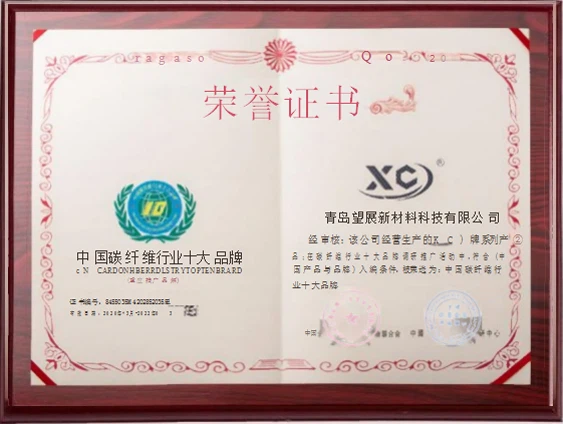
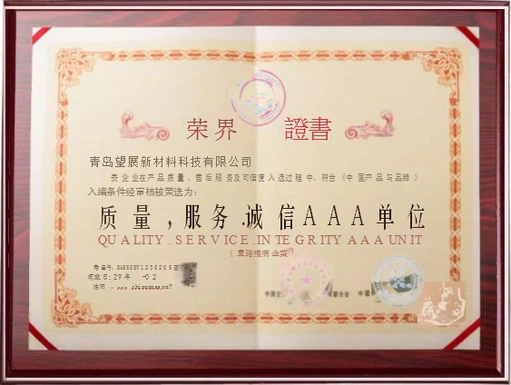
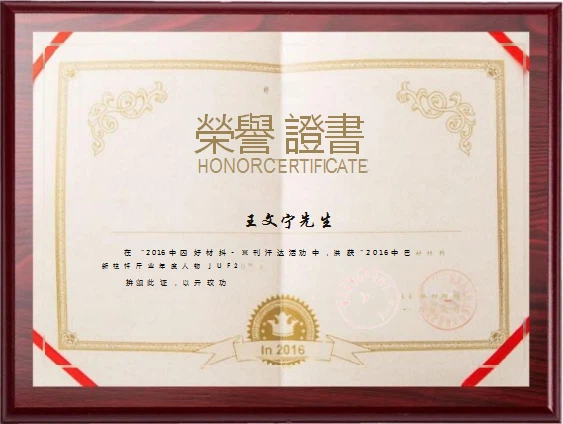
Passed ISO9001 certification and won the top ten brands in China's carbon fiber industry!


Asked Questions
Hot Tags: pvc foam core, China pvc foam core manufacturers, suppliers, factory, Carbon Fiber Hockey Stick, Carbon Fiber Octagonal Tube, Carbon Fiber Veil, PMI Foam, Carbon Fiber Mesh, Carbon Fiber Panel