


Precision Carbon Fiber Solutions
We understand that off-the-shelf sizing rarely meets the exact needs of high-performance applications. Our custom-length carbon fiber rod service provides precision-cut carbon fiber rods tailored to your exact dimensional requirements, offering:
✔ Exact lengths (±0.5mm tolerance)
✔ All standard diameters (1mm-50mm)
✔ Multiple modulus options (Standard/Intermediate/High)
✔ Various surface finishes (Polished/As-wound/Sanded)
✔ No minimum order quantity (Single rods available)
Whether you're working on drones, robotics, medical devices, or industrial equipment, our custom cutting service ensures you get perfectly sized rods without waste or compromise.
Why Choose Custom-Length Carbon Fiber Rods
Benefits Over Standard Sizes
Eliminate Material Waste: Only pay for what you use
Reduce Secondary Machining: No need to cut down long rods
Improve Assembly Precision: Perfect fit for your design
Simplify Logistics: Receive ready-to-install components
Technical Specifications
| Parameter | Specification Range |
|---|---|
| Diameter Range | 1mm - 50mm (±0.05mm) |
| Length Options | 10mm - 3000mm (±0.5mm) |
| Modulus Grades | Standard (230GPa), Intermediate (290GPa), High (350GPa) |
| Surface Finish | As-wound, Sanded, Mirror Polish |
| Tensile Strength | 3,500 - 5,800 MPa |
Available Carbon Fiber Rod Types
Solid Carbon Fiber Rods
Best for: Structural applications requiring maximum stiffness
Standard diameters: 1mm, 2mm, 3mm, 4mm, 5mm, 6mm, 8mm, 10mm, 12mm, 15mm, 20mm
Max length: 3m (for diameters ≤15mm)
Hollow Carbon Fiber Tubes
Best for: Weight-sensitive applications
Wall thickness options: 0.5mm - 5mm
Length tolerance: ±1mm for tubes >20mm diameter
Specialty Rods
| Type | Characteristics | Common Uses |
|---|---|---|
| Conductive Rods | Nickel-coated surface | EMI shielding, grounding |
| Threaded Rods | M3-M12 threads cut | Fastening applications |
| Tapered Rods | Linear diameter reduction | Aerospace linkages |
How Our Custom Cutting Service Works
Simple Ordering Process
Select Base Material
Choose diameter and modulus
Specify Length
Enter exact millimeter precision
Add Finishing Options
Sanding, polishing, end treatments
Receive Perfectly Cut Rods
Shipped in protective tubing
Cutting Technology
Diamond-coated saws for clean cuts
Laser measurement for length verification
De-burring process for smooth ends
Packaging Options
| Option | Description | Best For |
|---|---|---|
| Standard | Cardboard tubes | Domestic shipments |
| Premium | PVC protective cases | International/ocean freight |
| Bulk | Custom crating | Large quantity orders |
Key applications
UAV & Drone Components
Arm struts (Precise lengths for balanced flight)
Antenna masts (Custom heights for signal optimization)
Robotics & Automation
Linear guide shafts (Exact lengths for rail systems)
Articulation linkages (Precision motion control)
Medical Devices
| Application | Benefit of Custom Length |
|---|---|
| Surgical Instruments | Eliminates reprocessing |
| Prosthetic Components | Perfect patient match |
| Imaging Equipment | Exact clearance requirements |
Industrial Uses
Textile machine guides (Wear-resistant replacements)
Semiconductor handlers (Static-dissipative versions)
Comparative Advantages
| Feature | Our Custom Rods | Competitor Standard |
|---|---|---|
| Length Tolerance | ±0.5mm | ±2mm |
| End Finish | Laser-verified | Hand-cut |
| Diameter Options | 50+ | 10-15 |
| Lead Time | 3-5 days | 2-3 weeks |
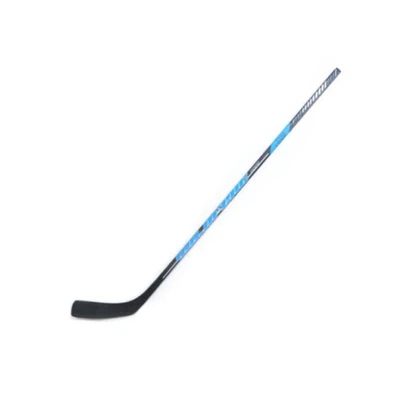
Ice hockey is a high-speed and powerful sport that requires equipment that not only has excellent performance, but also can withstand extreme sports intensity.
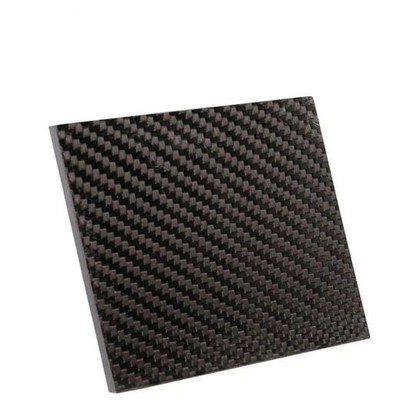
Carbon fiber sheet manufactured using 100% high strength carbon fiber reinforcement cured under pressure and temperature to produce a high-performance sheet suitable for fully structural applications whilst also having a class-A (cosmetic) finish on one side.
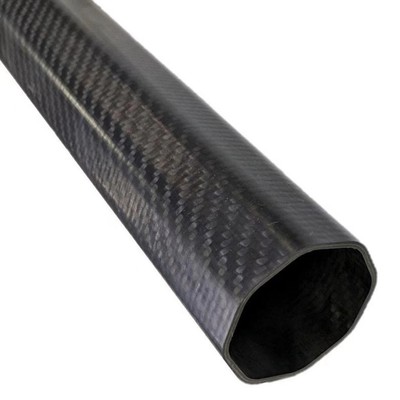
Carbon Fiber Octagonal Tubes are precision-crafted components made from high-grade carbon fiber, a material renowned for its exceptional strength-to-weight ratio and exceptional stiffness.
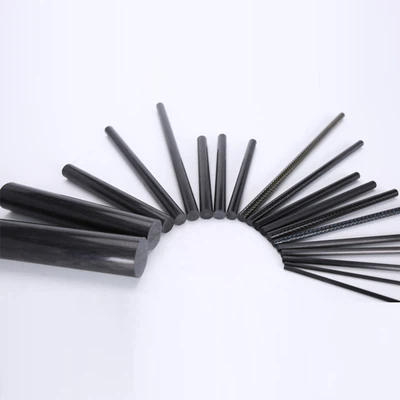
Carbon fiber sticks are very straight and hard, making them ideal building materials for frames, trusses, and reinforcement materials.
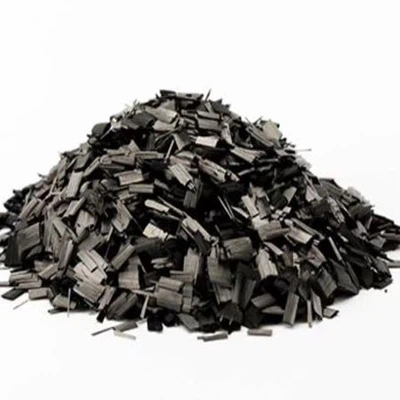
Chopped carbon fiber refers to the carbon fiber with high strength and high modulus, which is processed into bundles by bundler selected according to the purpose, and then cut into specified lengths.
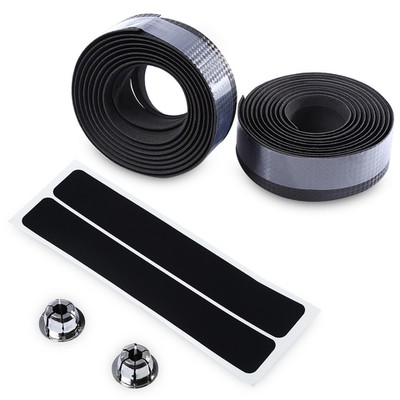
Carbon fiber Strip refers to a strip of material made of carbon fiber. Used for winding composite materials, extrusion stretching carbon Strip reinforced composite materials, heating elements, conductive materials, and semiconductor materials.
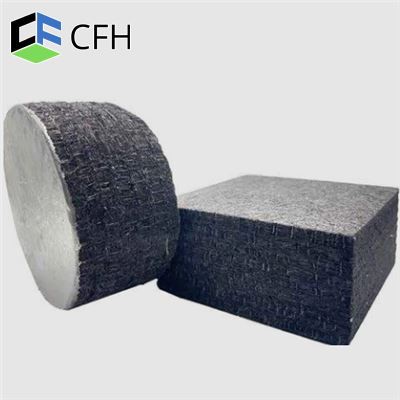
There are three main types of carbon fiber felt, namely polyacrylonitrile based carbon felt, adhesive based carbon felt, and asphalt based carbon felt.
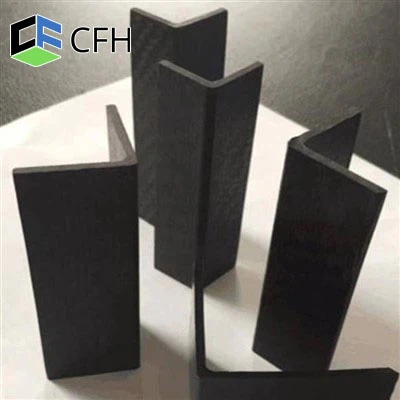
Enhanced Composites angles are manufactured from 100% carbon fiber using a combination of woven and multidirectional pre-preg fabric, to produce an attractive and extremely strong 90 degree angle.
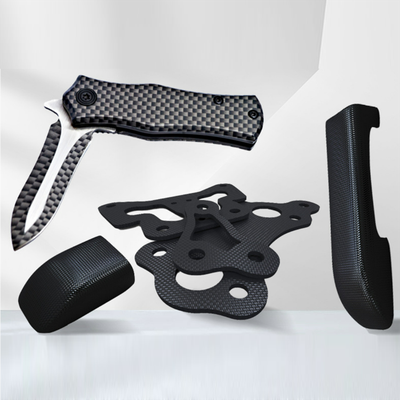
The high-quality carbon fiber panel is made of 100% high-strength carbon fiber reinforced material and epoxy resin, with a smooth, glossy, and beautiful carbon fiber finish on one side and a textured "peel off layer" finish on the back.
Why Choose Us
Our Certificates
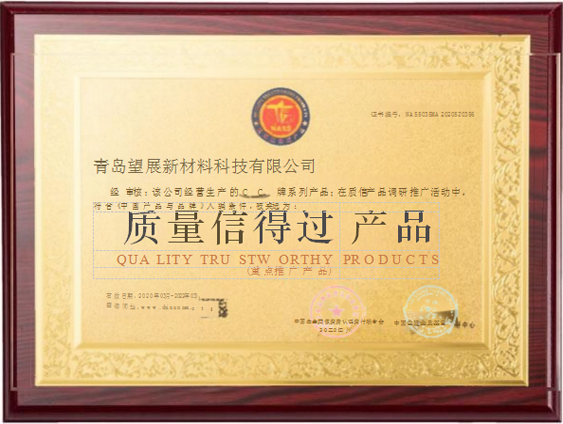
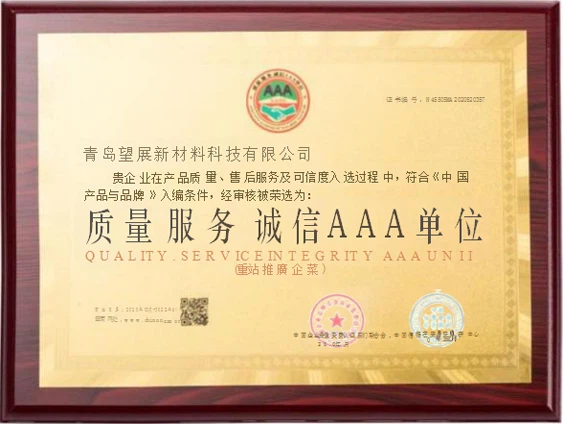
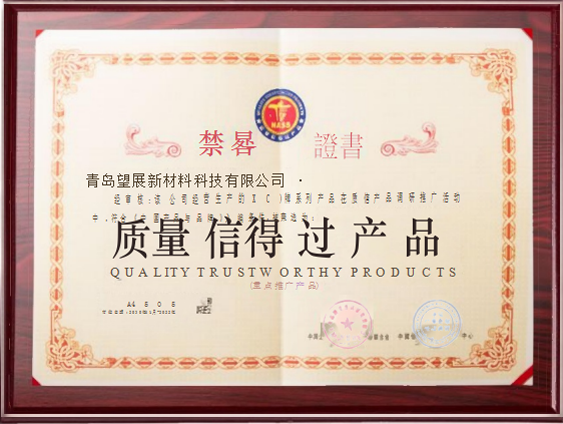
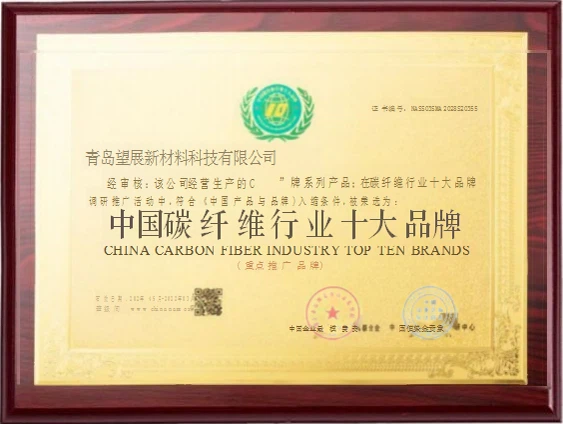
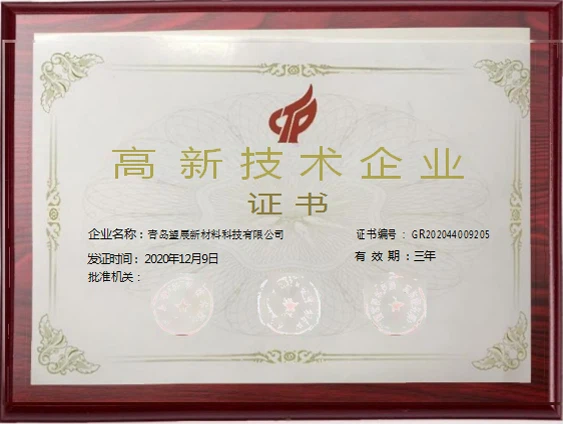
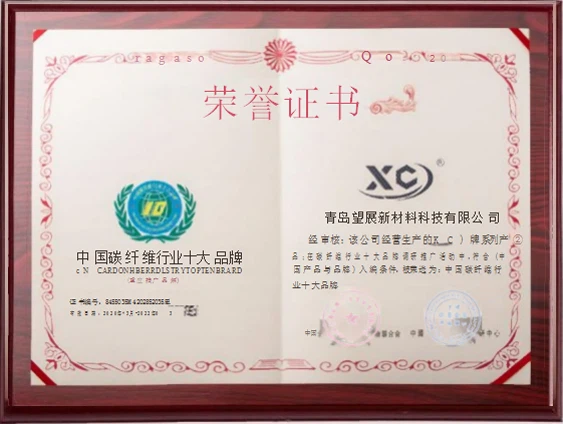
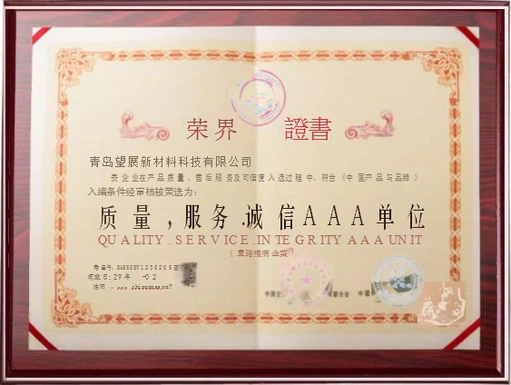
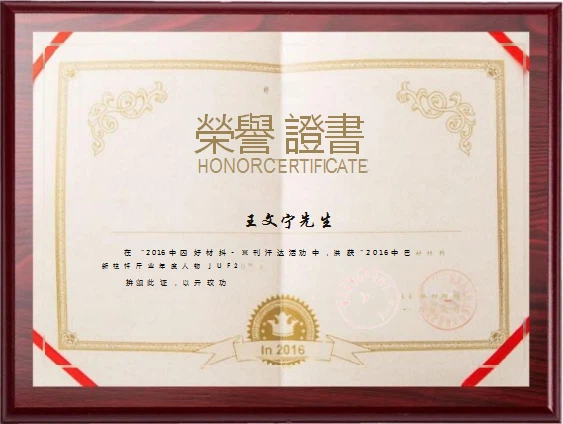
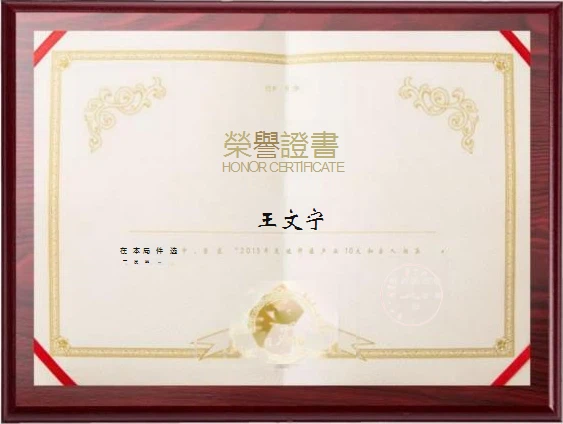
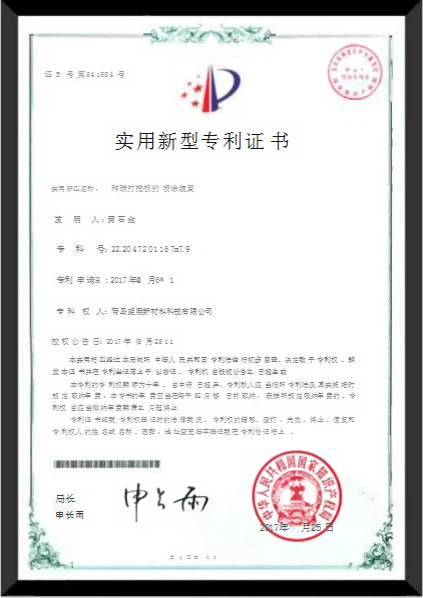
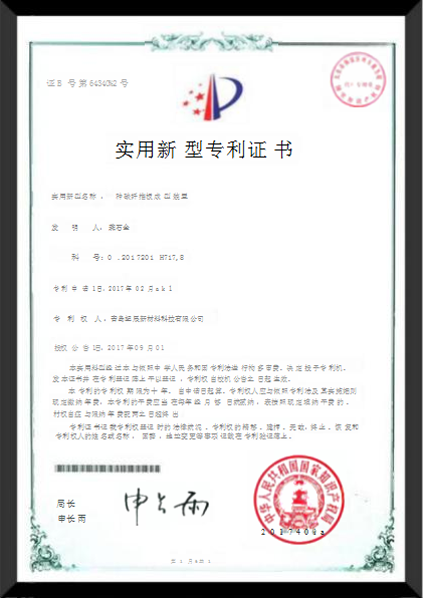
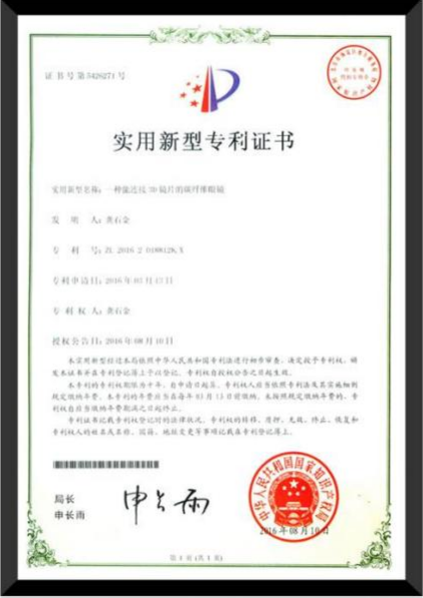
We have passed ISO 9001 management system and intellectual property management system certification. We have also been awarded the title of provincial high-tech enterprise and hold more than 50 patent certificates.
Partners
Currently, we cooperate with global industry-leading suppliers, including Toray from Japan, Mitsubishi from Japan, Hexcel from the United States, Zhongfu Shenying from China, Weihai Guangwei, Cathay Pacific, DuPont from the United States, Jushi from China, Sinoma Technology, Micron from the United States, Kentian from the United States, FK from the United States, and Daiplatinum from Sweden.
Our Company
We are an innovative enterprise specializing in the deep processing of carbon fiber, aramid fiber, flat fabric, three-dimensional weaving, and special texture blending, as well as pre-impregnated and forged products. We also produce molded, hot-pressed, and extruded carbon fiber products.
Challenges in Using Carbon Fiber rods
Compatibility Issues in Joints: The connection points between carbon fiber rods and metal or other material components are prone to stress concentration due to differences in thermal expansion coefficients (0.5×10⁻⁶/°C for carbon fiber vs. 23×10⁻⁶/°C for aluminum). This can lead to joint loosening or cracking, requiring specialized transition designs or hybrid joining techniques.
Electrical Conductivity Risks: The conductive nature of carbon fiber (resistivity ~1.5×10⁻³ Ω·cm) may cause short circuits with other electronic components in precision devices, necessitating insulation layers or modified non-conductive carbon fiber.
Dimensional Stability Challenges: Moisture absorption in the resin matrix (typical 0.5-1.2%) can cause micro-deformations, affecting high-precision assembly (e.g., optical instrument mounts). Moisture-resistant coatings are often required.
Surface Treatment Difficulties: The smooth surface of carbon fiber (Ra 0.5-2μm) reduces adhesive or coating bonding strength by 30-40%, requiring pretreatment such as plasma treatment or mechanical abrasion.
Maintenance and Replacement Complexity: Damaged carbon fiber rods are difficult to repair locally (unlike metal welding), often requiring full replacement. Additionally, matching performance with aged components is challenging (fatigue life prediction errors can reach ±20%).
Choosing the Right Carbon Fiber Rods
Selecting the right carbon fiber rods for your project involves considering several factors:
Material Specifications
Fiber type (standard, intermediate, or high modulus)
Resin matrix (epoxy, polyester, or specialty resins)
Fiber orientation (unidirectional, woven, or braided)
Certifications (aerospace, medical, or industrial standards)
Mechanical Properties
Tensile strength (typically 3,500-7,000 MPa)
Stiffness (modulus of 230-350+ GPa)
Weight (density of 1.5-1.8 g/cm³)
Impact resistance and fatigue life
Rod Dimensions
Diameter precision (±0.05mm tolerance)
Length customization options
Wall thickness (for hollow rods)
Surface finish (as-molded, sanded, or polished)
Application-Specific Needs
Environmental conditions (temperature, moisture, chemicals)
Electrical conductivity requirements
Joining methods (adhesive bonding, mechanical fasteners)
Regulatory compliance (industry-specific standards)
Carbon Fiber Rod Manufacturing Process
The manufacturing process of carbon fiber rod roughly includes five steps:
Precursor Fiber Production
Polyacrylonitrile (PAN) fibers are chemically treated and stretched to align molecules
Stabilized through oxidation at 200-300°C in controlled atmosphere
Precursor fibers achieve necessary molecular structure for carbonization
Carbonization
Stabilized fibers heated to 1000-3000°C in oxygen-free furnaces
Non-carbon elements (hydrogen, oxygen, nitrogen) are driven off
Carbon content increases from ~50% to over 90%
Process creates the characteristic graphite-like structure
Surface Treatment & Sizing
Fibers undergo electrochemical surface treatment
Protective sizing (epoxy-compatible coating) applied
Enhances fiber-matrix bonding and handling properties
Typically adds 0.5-2% weight to fibers
Pultrusion Process
Continuous carbon fibers pulled through resin bath (usually epoxy)
Precisely formed through heated die (120-180°C)
Cured into final rod shape with controlled diameter
Automated cutting to specified lengths
Post-Processing & Quality Control
Precision machining (cutting, drilling, sanding)
Surface finishing (polishing, coating)
Non-destructive testing (ultrasonic, X-ray)
Mechanical property verification (tensile, flexural)
Dimensional inspection (±0.05mm tolerance)
Applications of Carbon Fiber Rods
Aerospace Industry
Due to their high strength-to-weight ratio and thermal stability, carbon fiber rods are widely used in the aerospace industry for components such as landing gear, wing spars, and engine parts.
01
Automotive Industry
In the automotive industry, carbon fiber rods are used to create lightweight and durable chassis components, suspension systems, and body panels, leading to improved fuel efficiency and vehicle performance.
02
Sports Equipment
Carbon fiber rods are extensively used in sports equipment manufacturing, including bicycle frames, golf club shafts, and fishing rods, providing enhanced strength and rigidity without adding excessive weight.
03
Marine Applications
Their corrosion resistance and high strength make carbon fiber rods ideal for marine applications such as boat masts, rigging, and structural components.
04
Medical Devices
Carbon fiber rods are also used in medical devices such as prosthetic limbs and orthopedic implants due to their strength, lightweight properties, and biocompatibility.
05
Carbon Fiber Rods vs. Metal Rods (Steel/Aluminum/Titanium): A Comparative Analysis
Carbon fiber rods and metal rods (e.g., steel, aluminum, titanium) each have distinct advantages and disadvantages in terms of performance, cost, and applications. Below is a detailed comparison:
1. Mechanical Properties Comparison
| Property | Carbon Fiber Rods | Steel Rods (e.g., 45# Steel) | Aluminum Rods (e.g., 6061-T6) | Titanium Rods (e.g., Ti-6Al-4V) |
|---|---|---|---|---|
| Density (g/cm³) | 1.5–1.8 | 7.85 | 2.7 | 4.43 |
| Tensile Strength (MPa) | 3,500–7,000 | 500–1,200 | 250–350 | 900–1,100 |
| Elastic Modulus (GPa) | 230–350 | 200–210 | 68–70 | 110–120 |
| Specific Strength (Strength/Density) | Very high (5–10× better than steel) | Moderate | Low | High |
| Specific Stiffness (Modulus/Density) | Very high (3–5× better than steel) | Moderate | Low | High |
| Fatigue Life | Excellent (no metal fatigue) | Prone to fatigue failure | Moderate | Good |
Conclusion:
Carbon fiber rods: Highest specific strength, ideal for lightweight, high-load applications (e.g., aerospace, racing).
Steel rods: Low cost, moderate strength, but heavy and prone to corrosion.
Aluminum rods: Lightweight but lower strength, suitable for low-load structures.
Titanium rods: High strength and corrosion-resistant, but expensive.
2. Environmental Resistance Comparison
| Environmental Factor | Carbon Fiber Rods | Steel Rods | Aluminum Rods | Titanium Rods |
|---|---|---|---|---|
| Corrosion Resistance | Excellent (rust-proof, chemical-resistant) | Poor (requires coating/stainless steel) | Moderate (prone to oxidation) | Excellent (seawater-resistant) |
| High-Temperature Resistance | Limited by resin matrix (typically <200°C) | High (up to 500°C+) | Moderate (softens at 200°C) | Excellent (600°C+) |
| Electrical Conductivity | Conductive (requires insulation) | Conductive | Conductive | Conductive |
| Thermal Expansion Coefficient | Low (0.5×10⁻⁶/°C) | High (11–12×10⁻⁶/°C) | High (23×10⁻⁶/°C) | Moderate (8.6×10⁻⁶/°C) |
Conclusion:
Carbon fiber rods: Corrosion-resistant, low thermal deformation, but limited high-temperature performance.
Metal rods: Steel rusts, aluminum oxidizes, titanium offers the best overall performance but is costly.
3. Machining & Assembly Comparison
| Machining Characteristic | Carbon Fiber Rods | Metal Rods |
|---|---|---|
| Machinability | Difficult (requires specialized tools, prone to delamination) | Easy (can be turned, milled, welded) |
| Joining Methods | Adhesive bonding or mechanical fastening (cannot be welded) | Welding, bolting |
| Surface Treatment | Requires special treatment (e.g., plasma activation) | Conventional treatment (sandblasting, plating) |
| Repairability | Difficult (usually requires replacement) | Easy (can be welded or machined) |
Conclusion:
Metal rods are easier to machine and repair, but carbon fiber rods remain advantageous for lightweight designs.
4. Cost Comparison
| Cost Factor | Carbon Fiber Rods | Steel Rods | Aluminum Rods | Titanium Rods |
|---|---|---|---|---|
| Material Cost | High (¥300–1,000/kg) | Low (¥5–20/kg) | Moderate (¥30–60/kg) | Very high (¥500–1,500/kg) |
| Processing Cost | High (requires specialized equipment) | Low | Moderate | High |
| Maintenance Cost | Low (corrosion-resistant) | High (requires rust prevention) | Moderate (requires anodizing) | Low (corrosion-resistant) |
Conclusion:
Short-term cost: Steel/aluminum is more economical.
Long-term cost: Carbon fiber and titanium may be more cost-effective due to low maintenance.
5. Typical Applications
| Application Field | Recommended Material | Reason |
|---|---|---|
| Aerospace | Carbon fiber / titanium | Lightweight + high strength + corrosion resistance |
| Automotive | Carbon fiber (high-end) / aluminum (budget) | Weight reduction + fuel efficiency |
| Sports Equipment | Carbon fiber | High strength-to-weight ratio + vibration damping |
| Construction/Machinery | Steel / aluminum | Low cost + easy machining |
| Marine Engineering | Carbon fiber / titanium | Seawater corrosion resistance |
Summary: How to Choose?
For extreme lightweight + strength → Carbon fiber rods (if budget allows).
For weldability + low cost → Steel or aluminum rods.
For extreme environments (high temp/corrosion) → Titanium rods, but very expensive.
For long-term use + low maintenance → Carbon fiber or titanium rods.
For further optimization, consider CAE simulation or physical testing based on specific working conditions (load, environment, budget).
Carbon fiber and a resin matrix make up a carbon fiber round tube that expands and contracts with temperature. Carbon fiber has excellent creep resistance. Carbon fiber round tubes do not experience thermal expansion and cold contraction when a resin like epoxy resin functions correctly in a low-temperature environment. Because of the widespread issue of thermal expansion and cold contraction in metal materials, aluminum tube is not suitable for usage.
The carbon fiber round tube's shear resistance is substantially lower than that of aluminum tube because of its strong co-directivity and ordinary counter-directivity.
How To Safely Cut Carbon Fiber Tubing In Your Shop
Safety Precautions
Personal Protective Equipment (PPE)
Respirator (N95 or better) – Carbon fiber dust is hazardous when inhaled.
Safety goggles – Prevent eye irritation from airborne particles.
Gloves (nitrile or cut-resistant) – Protect hands from sharp edges.
Long sleeves & pants – Minimize skin contact with dust.
Workspace Setup
Ventilation: Use a fume extractor or work in a well-ventilated area.
Dust control: Attach a HEPA vacuum to your cutting tool if possible.
Cleanup: Wet-wipe surfaces afterward-never sweep dry dust.
Tools for Cutting Carbon Fiber Rods
| Tool | Best For | Pros | Cons |
|---|---|---|---|
| Diamond/Grit Saw | Precise straight cuts | Clean edges, minimal fraying | Expensive blades, slower cutting |
| Rotary Tool (Dremel) | Small-diameter rods | Good for tight spaces | Can generate excessive dust |
| Band Saw | Thick rods (>10mm) | Fast cutting | Rough edges, requires sanding |
| Hacksaw (Fine Teeth) | Emergency cuts | Low cost | Ragged cuts, high effort |
Avoid:
✖ Standard wood/metal blades (cause splintering)
✖ Angle grinders (generate too much hazardous dust)
Step-by-Step Cutting Guid
1. Mark the Cut Line
Use masking tape around the rod to prevent fraying.
Mark with a fine-tip marker or scribe.
2. Secure the Rod
Clamp firmly in a vise with soft jaws (or wrap in cloth) to avoid crushing.
For thin rods, sandwich between scrap wood for support.
3. Cut Slowly & Steadily
For power tools: Use low-to-medium speed (3,000–5,000 RPM).
For hand saws: Apply light pressure to avoid delamination.
Keep the tool perpendicular to the rod.
4. Deburr the Edge
Sand with 120-grit sandpaper (wet sanding reduces dust).
For polished finishes, progress to 600-grit + polishing compound.
Post-Cutting Care
Cleanup: Use a damp cloth or HEPA vacuum to remove all dust.
Sealing (optional): Apply a thin layer of epoxy to exposed edges to prevent fraying.
Storage: Keep cut rods in sealed bags to avoid moisture absorption.
Common Mistakes to Avoid
❌ Dry cutting without dust extraction → Health risk
❌ Using dull blades → Ragged edges, increased dust
❌ Cutting too fast → Heat buildup damages resin
❌ Ignoring frayed ends → Weakens structural integrity
Our Factory
Qingdao Wangzhan was established in 2012 and is a high-tech private enterprise leading the composite weaving industry.
We are an innovative enterprise specializing in the deep processing of carbon fiber, aramid fiber, flat fabric, three-dimensional weaving, and special texture blended, pre impregnated, and forged products, as well as molded, hot pressed, and extruded carbon fiber products. Our company adheres to the business philosophy of "providing customers with the best technology and process solutions with first-class products and high-quality services". Currently, we cooperate with global industry leading suppliers including Toray from Japan, Mitsubishi from Japan, Hexcel from the United States, Zhongfu Shenying from China, Weihai Guangwei, Cathay Pacific, DuPont from the United States, Jushi from China, Sinoma Technology, Micron from the United States, Kentian from the United States, FK from the United States, Daiplatinum from Sweden, Daikin from Japan, and U-PICA from Japan.
The factory covers an area of over 7000 square meters and has passed ISO9001 management system and intellectual property management system certification. It has also been awarded the title of provincial high-tech enterprise and has more than 50 patent certificates;
Certifications
Hot Tags: custom-length carbon fiber rod – cut to your specifications, China custom-length carbon fiber rod – cut to your specifications manufacturers, suppliers, factory, soft regenerated cellulose fiber, High stiffness Conductive Carbon Fiber, Carbon Fiber Wheelchair, Carbon Fiber Hockey Stick, Vacuum Sealant Tape, biaxial braid Carbon Fiber Sleeve