

Carbon fiber boards and fiberglass boards are two popular materials in the composite industry, each with its own set of characteristics, advantages, and applications. As a carbon fiber board supplier, I often encounter customers who are confused about the differences between these two materials. In this blog post, I will delve into the key distinctions between carbon fiber boards and fiberglass boards to help you make an informed decision for your specific needs.
Composition and Structure
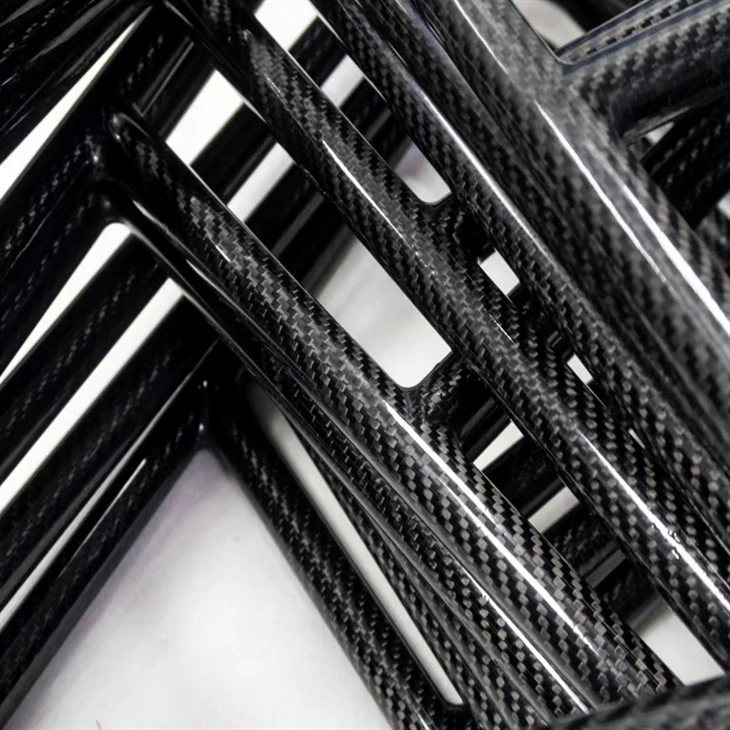
- Carbon Fiber Board: Carbon fiber boards are made from carbon fibers, which are extremely thin strands of carbon atoms bonded together in a crystalline structure. These fibers are typically woven or laid in a specific pattern and then impregnated with a resin matrix, such as epoxy, to form a rigid and strong composite material. The high strength - to - weight ratio of carbon fibers comes from their unique atomic structure, which allows them to withstand high levels of stress.
- Fiberglass Board: Fiberglass boards, on the other hand, are composed of glass fibers. These glass fibers are made by melting and extruding glass into fine filaments. Similar to carbon fiber boards, the glass fibers are combined with a resin matrix. The most common type of resin used in fiberglass is polyester resin. The structure of fiberglass is less ordered compared to carbon fiber, which gives it different mechanical properties.
Physical Properties
Strength and Stiffness
- Strength: Carbon fiber boards have a significantly higher strength - to - weight ratio than fiberglass boards. Carbon fibers can handle much higher tensile loads. For example, in aerospace applications where weight is a critical factor, carbon fiber boards are often used because they can provide the necessary strength while keeping the overall weight of the structure low. In contrast, fiberglass boards have lower tensile strength, but they are still strong enough for many general - purpose applications.
- Stiffness: Carbon fiber boards are also much stiffer than fiberglass boards. Stiffness refers to a material's ability to resist deformation under load. A high - stiffness material will deflect less when a force is applied. This property makes carbon fiber boards ideal for applications where precise shape and minimal deflection are required, such as in high - performance sports equipment like tennis rackets and bicycle frames. Fiberglass boards, while relatively stiff, are more flexible compared to carbon fiber boards, which can be an advantage in some applications where a degree of flexibility is needed.
Weight
Carbon fiber boards are lighter than fiberglass boards. The low density of carbon fibers contributes to this weight advantage. This makes carbon fiber a preferred choice for applications in the automotive and aerospace industries, where reducing weight can lead to improved fuel efficiency and performance. Fiberglass boards, although heavier, are still relatively lightweight compared to traditional materials like metal, and they are more cost - effective for applications where weight is not the primary concern.
Chemical Resistance
- Carbon Fiber Board: Carbon fiber itself has good chemical resistance. When combined with a suitable resin matrix, carbon fiber boards can resist corrosion from many chemicals, including acids and alkalis. However, the performance of the carbon fiber board in a chemical environment also depends on the type of resin used. Epoxy resins, commonly used in carbon fiber composites, offer good chemical resistance in a wide range of conditions.
- Fiberglass Board: Fiberglass boards also have decent chemical resistance. The glass fibers are relatively inert, and the polyester resin used in fiberglass composites provides some protection against chemical attack. However, they may be less resistant to certain strong chemicals compared to well - formulated carbon fiber boards.
Cost
- Carbon Fiber Board: Carbon fiber boards are generally more expensive than fiberglass boards. The high cost of carbon fiber is due to the complex manufacturing process of producing the carbon fibers themselves, as well as the cost of the high - quality resin matrices used. Additionally, the production of carbon fiber composites often requires more advanced manufacturing techniques and equipment, which further drives up the cost.
- Fiberglass Board: Fiberglass boards are more cost - effective. The raw materials for glass fibers are relatively inexpensive, and the manufacturing process is less complex. This makes fiberglass a popular choice for applications where cost is a major factor, such as in some construction and consumer product applications.
Applications
- Carbon Fiber Board:
- Aerospace: Carbon fiber boards are widely used in the aerospace industry for components such as aircraft wings, fuselages, and interior panels. Their high strength - to - weight ratio and stiffness are crucial for reducing the weight of the aircraft, which in turn improves fuel efficiency and performance.
- Automotive: In the automotive industry, carbon fiber boards are used for high - performance parts, including body panels, spoilers, and chassis components. They help to reduce the vehicle's weight, enhance handling, and improve acceleration.
- Sports Equipment: Many sports equipment manufacturers use carbon fiber boards to produce products like golf clubs, fishing rods, and racing bicycles. The high stiffness and strength of carbon fiber allow for better performance and precision.
- Other Applications: Carbon fiber boards are also used in the electronics industry for lightweight and strong enclosures, and in the marine industry for boat hulls and other components. You can also explore our Carbon Fiber Braided Sleeve, Carbon Fiber Tube and Carbon Fiber Angle, which are also popular carbon fiber products.
- Fiberglass Board:
- Construction: Fiberglass boards are commonly used in construction for insulation, roofing, and wall panels. Their relatively low cost, good strength, and fire - resistance make them a suitable choice for these applications.
- Marine: In the marine industry, fiberglass boards are used to make boat hulls, decks, and other components. Their resistance to water and corrosion, along with their reasonable cost, make them a popular option.
- Consumer Products: Fiberglass boards are used in a variety of consumer products, such as shower stalls, hot tubs, and some furniture. Their versatility and cost - effectiveness make them a practical choice for these applications.
Manufacturing Process
- Carbon Fiber Board: The manufacturing of carbon fiber boards involves several complex steps. First, the carbon fibers are produced through a process of heating and stretching precursor materials, such as polyacrylonitrile (PAN). Then, the fibers are woven or laid in a desired pattern. Next, the fiber preform is impregnated with a resin matrix, either by hand - layup, vacuum infusion, or other advanced techniques. Finally, the composite is cured under heat and pressure to achieve the desired mechanical properties.
- Fiberglass Board: The production of fiberglass boards starts with the production of glass fibers by melting and extruding glass. The glass fibers are then combined with a resin, usually through a process like hand - layup or spray - up. After that, the fiberglass composite is allowed to cure at room temperature or with the application of heat, depending on the type of resin used.
Conclusion
In summary, carbon fiber boards and fiberglass boards have distinct differences in terms of composition, physical properties, cost, and applications. Carbon fiber boards offer superior strength, stiffness, and a lower weight, but they come at a higher cost. Fiberglass boards, on the other hand, are more cost - effective and have a good balance of properties, making them suitable for a wide range of applications.
If you are considering using carbon fiber boards for your project, I encourage you to contact me for more information. As a carbon fiber board supplier, I can provide you with high - quality products, technical support, and guidance to ensure that you choose the right material for your specific needs. Whether you are in the aerospace, automotive, sports equipment, or other industries, I am here to assist you in your procurement process.

References
- Callister, W. D., & Rethwisch, D. G. (2018). Materials Science and Engineering: An Introduction. Wiley.
- Strong, A. B. (2008). Plastics: Materials and Processing. Pearson Prentice Hall.