

How does a bulletproof helmet work?
In the modern world, safety and protection are of utmost importance, especially in high - risk environments such as military operations, law enforcement, and security work. One of the most critical pieces of protective equipment is the bulletproof helmet. As a bulletproof helmet supplier, I am often asked about how these helmets work. In this blog, I will delve into the science and technology behind bulletproof helmets to help you understand their functionality.

The Basics of Bulletproof Materials
Bulletproof helmets are designed to stop or mitigate the impact of bullets and other projectiles. The effectiveness of a bulletproof helmet largely depends on the materials used in its construction.
Kevlar
Kevlar is one of the most commonly used materials in bulletproof helmets. It is a synthetic fiber that is five times stronger than steel on an equal weight basis. Kevlar fibers are woven together to form a fabric. When a bullet hits the Kevlar - based helmet, the fibers absorb the energy of the bullet. The bullet's kinetic energy is transferred to the fibers, causing them to stretch and deform. This process dissipates the energy of the bullet and prevents it from penetrating the helmet.
Carbon Fiber
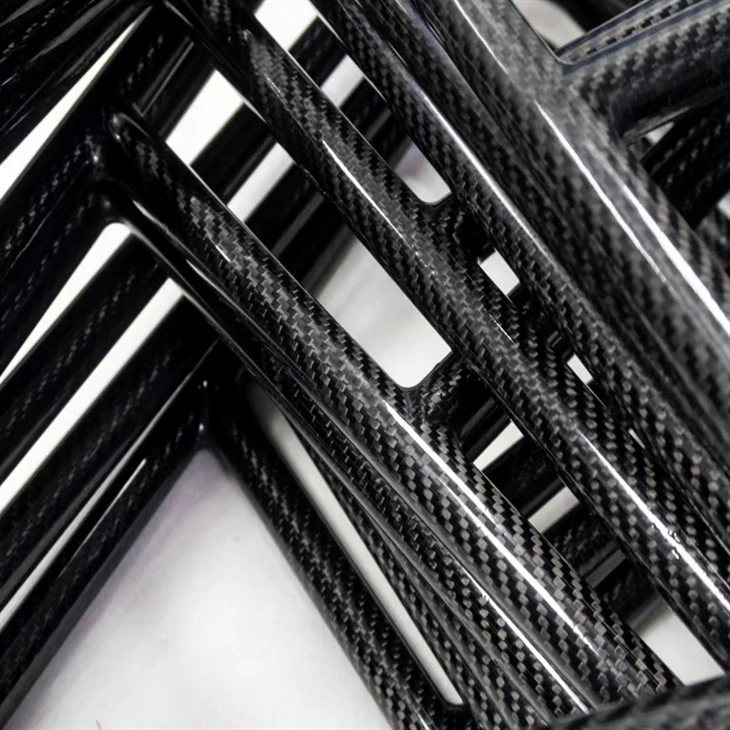
Carbon fiber is another material that is increasingly being used in bulletproof helmets. Carbon fiber offers high strength - to - weight ratio. It is extremely stiff and can withstand high levels of stress. 1mm To 50mm Diameter Carbon Fiber Rod - Custom Sizes Available and Carbon Fiber Angle can be used in the construction of bulletproof helmets to enhance their structural integrity. Carbon fiber composites are made by combining carbon fibers with a resin matrix. The resin helps to hold the fibers together and distribute the load evenly across the helmet.
Carbon Fiber Veil
Carbon Fiber Veil is also used in bulletproof helmets. It can be used as a surface layer or as an interlayer within the helmet structure. The carbon fiber veil helps to improve the impact resistance of the helmet by absorbing and dispersing the energy of the bullet. It also provides additional protection against shrapnel and other small projectiles.
The Design of Bulletproof Helmets
The design of a bulletproof helmet is crucial for its performance. A well - designed helmet should not only provide protection but also be comfortable to wear for extended periods.
Shape
Bulletproof helmets are typically designed with a rounded shape. This shape helps to deflect bullets rather than allowing them to hit the helmet head - on. The curvature of the helmet distributes the impact force over a larger area, reducing the stress on any single point.
Liner
The liner of a bulletproof helmet plays an important role in both comfort and protection. It is usually made of a soft, shock - absorbing material such as foam. The liner helps to cushion the head from the impact of the bullet and also provides a comfortable fit. It can also help to reduce the noise and vibration caused by the impact.
Attachment Systems
Bulletproof helmets are equipped with attachment systems such as chin straps and suspension systems. The chin strap ensures that the helmet stays in place during movement, while the suspension system helps to distribute the weight of the helmet evenly across the head. This reduces the pressure on any single area and makes the helmet more comfortable to wear.
The Working Mechanism of Bulletproof Helmets
When a bullet hits a bulletproof helmet, several things happen simultaneously.
Energy Absorption
As mentioned earlier, the materials in the helmet, such as Kevlar, carbon fiber, and carbon fiber veil, absorb the energy of the bullet. The fibers in these materials stretch and deform, converting the kinetic energy of the bullet into other forms of energy, such as heat and sound.
Deflection
The shape of the helmet helps to deflect the bullet. If the bullet hits the helmet at an angle, the rounded surface of the helmet can cause the bullet to bounce off rather than penetrate. This reduces the likelihood of the bullet causing serious injury.
Fragmentation
In some cases, when a bullet hits the helmet, it may fragment. The helmet is designed to contain these fragments and prevent them from reaching the wearer's head. The layers of materials in the helmet help to trap the fragments and prevent them from causing additional damage.
Testing and Certification
Bulletproof helmets are subject to rigorous testing to ensure their effectiveness. They are tested against various types of bullets and projectiles to determine their level of protection. Certification bodies set standards for bulletproof helmets, and helmets must meet these standards to be considered safe for use.
Conclusion
Bulletproof helmets are a vital piece of protective equipment that saves lives in high - risk situations. The combination of advanced materials such as Kevlar, carbon fiber, and carbon fiber veil, along with well - designed shapes and attachment systems, allows these helmets to effectively absorb and deflect the energy of bullets. As a bulletproof helmet supplier, we are committed to providing high - quality helmets that meet the highest standards of safety and performance.
If you are interested in purchasing bulletproof helmets for your organization, whether it's for military, law enforcement, or security purposes, we invite you to contact us for a detailed discussion. We can provide you with more information about our products, their features, and how they can meet your specific needs.
References
- Ballistic Materials and Penetration Mechanics by Brian C. Currey
- Handbook of Composites by I. M. Daniel and O. Ishai