

What is the carbon fiber angle in the production of snowboards?
Snowboarding has come a long way since its inception, evolving from a niche winter sport to a globally recognized and beloved activity. One of the key factors driving this evolution is the continuous innovation in snowboard manufacturing. Among the many materials used in modern snowboard construction, carbon fiber has emerged as a game - changer, offering a unique combination of strength, stiffness, and lightness. At the heart of how carbon fiber enhances snowboard performance lies the concept of the carbon fiber angle.
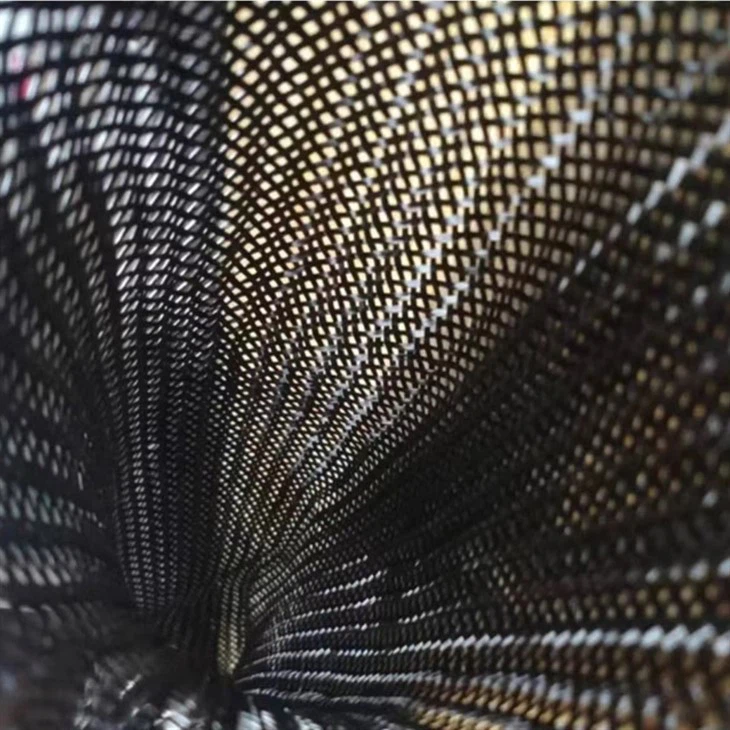

Understanding Carbon Fiber in Snowboard Production
Carbon fiber is made up of extremely thin strands of carbon atoms bonded together in a crystallographic structure. These fibers have a very high strength - to - weight ratio, making them ideal for applications where weight savings and durability are crucial. In snowboard production, carbon fiber is often used in combination with other materials like fiberglass, wood, and foam cores to create a board that offers optimal performance characteristics.
When carbon fiber is integrated into a snowboard, it is typically arranged in a layer or multiple layers. The orientation, or angle, of these carbon fiber layers plays a significant role in determining how the board behaves on the snow.
The Significance of Carbon Fiber Angle
Flexibility and Responsiveness
The carbon fiber angle directly affects the flexibility and responsiveness of the snowboard. If the carbon fibers are oriented parallel to the length of the board (0 - degree angle), the board will be stiffer in the longitudinal direction. This stiffness can provide more power transfer when making turns and better stability at high speeds. Riders who prefer a more aggressive, high - speed riding style may benefit from a snowboard with carbon fibers laid at a 0 - degree angle.
On the other hand, if the carbon fibers are angled diagonally, say at 45 degrees or 90 degrees to the length of the board, the board will gain more torsional flexibility. Torsional flexibility allows the board to twist more easily, which can make it more maneuverable, especially in tight turns and on moguls. This is beneficial for riders who focus on park and pipe riding or short - radius turns.
Vibration Damping
Another important aspect affected by the carbon fiber angle is vibration damping. Snowboarding can be a rough and bumpy ride, especially on uneven terrain or at high speeds. The angle of the carbon fibers can influence how well the board absorbs and dissipates vibrations. An optimized carbon fiber angle can reduce the amount of chattering and shaking felt by the rider, providing a smoother and more comfortable ride.
Edge Hold
The carbon fiber angle also has an impact on edge hold. When a rider leans into a turn, the edges of the snowboard dig into the snow to provide traction. By adjusting the carbon fiber angle, manufacturers can create a board that has better edge grip. For example, certain angles can help distribute the pressure more evenly along the edge, reducing the likelihood of the board losing traction during a turn.
Different Carbon Fiber Angles and Their Effects
Unidirectional Carbon Fiber (0 - degree Angle)
Unidirectional carbon fiber, where the fibers are aligned in one direction (usually along the length of the board), is commonly used to enhance the board's longitudinal stiffness. It provides maximum power transfer when a rider is applying pressure from the heels or toes. This type of setup is often found in all - mountain and freeride snowboards, as it helps the board maintain its shape and stability even in challenging terrain.
Bi - directional Carbon Fiber (45 - degree Angle)
Bi - directional carbon fiber is made up of two layers of carbon fibers laid at a 45 - degree angle to each other. This configuration offers a good balance between longitudinal and torsional stiffness. It provides a more forgiving ride compared to unidirectional carbon fiber and is suitable for a wide range of riding styles, including freestyle and all - around riding.
Cross - Plied Carbon Fiber (90 - degree Angle)
Cross - plied carbon fiber has one layer of fibers running along the length of the board and another layer running perpendicular to it. This setup maximizes torsional stiffness, making the board very responsive in turns. It is often used in high - performance park and pipe snowboards, where quick and precise maneuvers are essential.
Our Role as a Carbon Fiber Angle Supplier
As a leading Carbon Fiber Angle supplier, we understand the critical role that the correct carbon fiber angle plays in snowboard production. We offer a wide range of carbon fiber products with various angles to meet the diverse needs of snowboard manufacturers.
Our Carbon Fiber Sticks are crafted with precision, allowing manufacturers to customize the carbon fiber angle according to their specific design requirements. Whether they need unidirectional sticks for maximum longitudinal stiffness or bi - directional sticks for a balanced performance, we have the right product.
In addition to carbon fiber sticks, we also supply Carbon Fiber Sleeve. These sleeves can be used to reinforce specific areas of the snowboard, and the carbon fiber angle in the sleeves can be tailored to enhance the desired performance characteristics, such as edge hold or vibration damping.
Our Carbon Fiber Paddle is another product that showcases our expertise in carbon fiber engineering. The carbon fiber angle in the paddle is carefully designed to provide the right amount of strength and flexibility, which can be transferred to the snowboard design when used in combination with other components.
Why Choose Our Carbon Fiber Angle Products
- Quality Assurance: We have a strict quality control process in place to ensure that every carbon fiber product meets the highest standards. Our materials are tested for strength, stiffness, and durability to guarantee optimal performance in snowboard production.
- Customization: We understand that different snowboard manufacturers have different design concepts and performance requirements. That's why we offer customized carbon fiber angle solutions, allowing manufacturers to create unique snowboard models with specific performance characteristics.
- Expert Support: Our team of experts has in - depth knowledge of carbon fiber technology and its application in snowboard production. We are always ready to provide technical support and advice to help manufacturers make the best use of our products.
Contact Us for Procurement
If you are a snowboard manufacturer looking for high - quality carbon fiber angle products, we invite you to contact us for procurement discussions. Our team will be happy to discuss your specific needs, provide product samples, and offer competitive pricing. We are committed to helping you create the next generation of high - performance snowboards.
References
- "Advanced Composites in Sports Equipment" by John M. Whitney
- "Snowboard Design and Technology" by Snowboard Industry Journal
- "Carbon Fiber: Materials and Applications" by Lawrence T. Drzal